ISHN logo
search
cart
facebook twitter linkedin youtube
  • Sign In
  • Create Account
  • Sign Out
  • My Account
ISHN logo
  • NEWS
    • Today's News
    • Global Safety News
    • Government Regulations
  • PRODUCTS
    • Product Innovations
    • Featured Products
  • TOPICS
    • Environmental Health and Safety
    • Facility Safety
    • Workplace Health
    • Occupational Safety
    • PPE
    • More Topics
  • CONSTRUCTION
  • TECHNOLOGY
  • COLUMNS
    • Best Practices
    • Dave Johnson: What’s going on
    • Editorial Comments
    • Leading Safety
  • MULTIMEDIA
    • ISHN Podcast
    • Videos
    • Cold Stress Education Quiz
    • Webinars
    • White Papers
  • MORE
    • Buyer's Guide
    • Newsletters
    • Convention Companion
    • Polls
    • Events
    • ISHN Store
    • Sponsor Insights
  • EMAGAZINE
    • eMagazine
    • Archived Issues
    • Contact
    • Advertise
  • JOIN TODAY!
Occupational SafetySustainability in Health and SafetyWorkplace HealthOil and Gas Industry Safety & Health

How the oil industry can benefit from IoT technology
By Kelly Potter
oil spill
November 19, 2018

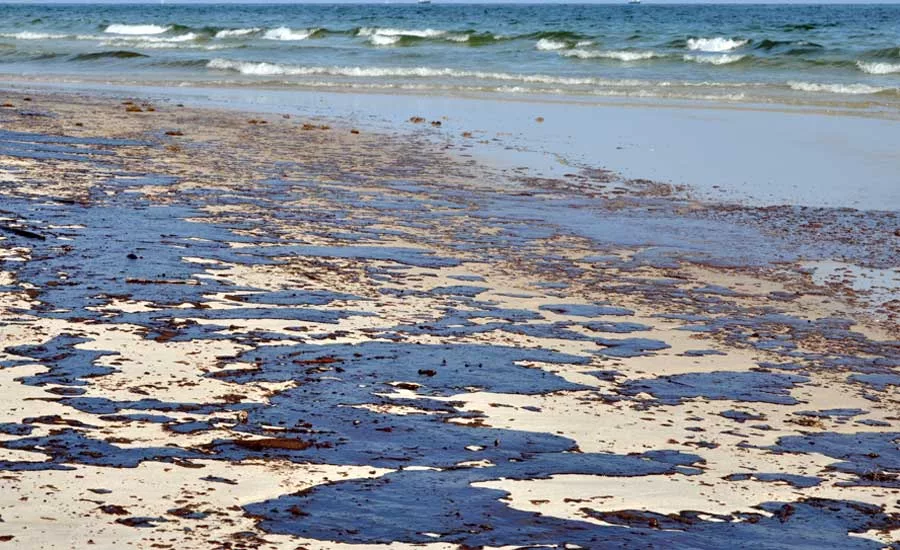
In 2010, the Deepwater Horizon oil tragedy struck and took the nation’s attention for months.

Two-hundred million gallons of oil spilled, 16,000 miles is the range it spread across the coastline from Florida to Texas, 8,000 animals were killed, and 11 workers were killed due to the explosion. Communities around the Gulf of Mexico came to a halt, but lurking underneath this disaster was an older spill spewing from an oil platform that was damaged six years earlier.

CNN recently reported “The Taylor oil spill is still surging after all this time; dumping what’s believed to be tens of thousands of gallons into the Gulf per day since 2004.”

By some estimates, the chronic leak could soon be larger, cumulatively, than the Deepwater disaster. That would also make the Taylor spill one of the largest offshore environmental disasters in U.S. history.

In September, the Department of Justice submitted an independent study into the nature and volume of the spill that claims previous evaluations of the damage, submitted by the platform’s owner Taylor Energy Co. and compiled by the Coast Guard, significantly underestimated the amount of oil being let loose.

According to the filing, “the Taylor spill is spewing anywhere from 10,000 to 30,000 gallons of oil a day.”

As for how much oil has been leaked since the beginning of the spill, it’s hard to say. An estimate from SkyTruth, a satellite organization, put the total at “855,000 to 4 million gallons by the end of 2017. If you do the math from the DOJ’s filing, the number comes out astronomically higher: More than 153 million gallons over 14 years.”

It’s still unclear how the Taylor oil spill is being addressed by officials regarding an action plan for cleanup, current and future prevention, and ways to better detect these incidents occur.

So the questions become:

  • How can we continue to grow and learn from these incidents?
  • What new technologies are out there to enhance detection?
  • What preventive measures should the oil industry be implementing that aren’t currently in place?

5 preventive measures currently in the oil industry  

Since the BP oil spill, several preventive maintenance measures have been put in place for the oil industry; these measures should be coupled with an effective maintenance management system to allow managers to track & monitor asset functionality, locate work history, and plan for replacement/repair on said assets based on operating capabilities. 

Preventive maintenance steps being performed today:

  1. Stress tests performed to assess accuracy and tracking through management documentation
  2. Better documentation of work orders and training crew members on new practices
  3. Blue print creation- Allows users to use existing technology to respond quickly to oil spills and better assess the situation
  4. New equipment that allows rigs to communicate with plans and ships more freely and coordinate response efforts to future spills
  5. Remote operated vehicles- Robots that assist crew members as backup in disaster situation

These measures coupled with an EAM CMMS solution can help managers and engineers execute tasks properly and efficiently. 

However, over the last nine years, technology has advanced in areas such as IoT, Augmented Reality, Virtual Reality, and even Drone maintenance. It is said that in “2020, approximately 50 billion machines will be connected to the internet,” making it easier for technology to guide the way engineers/workers interact and do their jobs on a day to day basis. 

The oil industry could benefit from new innovations in the IoT realm in regards to underwater communication systems. 

Internet of Things and underwater communications

The benefits of IoT (the Internet of Things) to a number of industries are obvious – mainly the ability to remotely monitor machines in real-time while ensuring safety and anticipating breakdowns. However, there are technical challenges when it comes to monitoring and communicating underwater which is where IoT Underwater comes into play. 

IoT Underwater is a system made of unmanned vehicles that scour the sea while communicating with underwater sensors and sending the information to networks on the surface. 

This information can be used to detect:

  • Early signs of tsunamis
  • Surveying shipwrecks and crashes
  • Health of animals
  • Salinity and temperature changes 

This kind of IoT that senses and transmits data through water would be important in the protection of oceans and lakes. This type of technology could alert oil rigs and engineers of inadequacies under the shore alerting them something could be wrong before a catastrophe does occur and last for years. 

There are still challenges that scientists and engineers are facing when looking at the reality of IoT underwater, such as signal transmission, background noise, sensors come at a high cost, and the environment is ever-changing. 

Still, when looking into the future, companies are already looking for solutions to these challenges. There are underwater robots and prototypes being created to test out these roadblocks to see how communication is being translated from underwater to onshore devices.

It’s a step in the right direction and a direction that industries, such as oil & gas, should consider when looking at innovative and safe ways to protect oceans and humans.

KEYWORDS: accident prevention

Share This Story

Looking for a reprint of this article?
From high-res PDFs to custom plaques, order your copy today!

Kelly Potter is a Marketing Associate for Transcendent Corporation. She's lived in Tampa for four years and graduated from the University of Central Florida with a B.A. in Communications and a Minor in English-Writing. She's written hundreds of blogs focusing around EAM CMMS technology and the use of these solutions within facilities around the world. In her spare time, she goes to amusement parks, runs half-marathons, write, and read.

Recommended Content

JOIN TODAY
to unlock your recommendations.

Already have an account? Sign In

  • forklift safety

    Exploring the latest technologies in forklift safety

    With more staff and more stock in warehousing now more...
    Workplace Training Strategies
    By: Josh Cramer
  • welding

    All about welder’s flash or arc eye

    A flash burn is a painful inflammation of the cornea,...
    Environmental Health and Safety
  • dangerous jobs

    The 10 most dangerous jobs in the U.S.

    On-the-job deaths have been rising — hitting the highest...
    Transportation Safety
    By: Benita Mehta
Manage My Account
  • eMagazine Subscriptions
  • ISHN Newsletter & Other Newsletter Alerts
  • Online Registration
  • Manage My Preferences
  • Subscription Customer Service

More Videos

Sponsored Content

Sponsored Content is a special paid section where industry companies provide high quality, objective, non-commercial content around topics of interest to the ISHN audience. All Sponsored Content is supplied by the advertising company and any opinions expressed in this article are those of the author and not necessarily reflect the views of ISHN or its parent company, BNP Media. Interested in participating in our Sponsored Content section? Contact your local rep!

close
  • man wearing the the Sundström SR200 Full Face Mask Respirator
    Sponsored byOHD

    5 Fit Testing Mistakes That Could Cost You

  • This image shows Magid AcuSpex polarized blue mirrored safety glasses.
    Sponsored byMagid Glove and Safety

    Construction PPE Guide: What Crews Need for Each Task

  • lone worker in confined space
    Sponsored byAlphasense Ltd.

    GET THE LEAD OUT of your Safety Oxygen Sensors!

Popular Stories

Automated loading dock equipment

After March 2026 Rivian Death, Safety Managers Reassess Loading Dock Systems Under OSHA's Warehouse Emphasis Program

chemical safety

It Was Just Sugar: Catastrophic Safety Failures in Louisville

psychology in the workplace

Most Workplaces Measure Psychological Safety, Ignoring Psychosocial Risks

top 10 most dangerous jobs

Poll

Seasonal Readiness

With the federal heat stress prevention rule on the horizon, which area of your safety program needs the most attention?
View Results Poll Archive

Products

Surviving an OSHA Audit A Management Guide, 2nd Edition

Surviving an OSHA Audit A Management Guide, 2nd Edition

See More Products

ISHN Podcasts

Related Articles

  • How the oil industry can manage infectious disease outbreaks

    See More
  • oil and gas industry handles high risks

    How the oil and gas industry handles high risks

    See More
  • Waste management truck

    Industrial waste management professionals can improve safety with IoT technology

    See More

Related Products

See More Products
  • Top Ten Pitfalls in OSHA Recordkeeping and How to Avoid Them

See More Products

Related Directories

  • Knight Fire Specialsts LLC

    Knight Fire Specialists, LLC is a fire suppression company dedicated to serving the Oil and Gas Industry. Established in January of 2017 as a direct result of a personal experience by our founder and CEO, Stephen Knight. It has become our mission to protect personnel and investments to the greatest extent possible. Together, with a combined experience of 35 years in the Oil and Gas Industry, our leadership team has an unparalleled knowledge of what is required to take the safety of an operation to the next level. We are confident that with our knowledge and experience ranging from safety consulting to firefighting, combined with our vast industry contacts and broad network of resources we will continue to experience rapid growth providing services to the Oil and Gas Industry.
×

Become a Leader in Safety Culture

Build your knowledge with ISHN, covering key safety, health and industrial hygiene news, products, and trends.

JOIN TODAY
  • RESOURCES
    • Advertise
    • Contact Us
    • Directories
    • Manufacturing Division
    • Store
    • Want More
  • SIGN UP TODAY
    • Create Account
    • eMagazine
    • Newsletters
    • Customer Service
    • Manage Preferences
  • SERVICES
    • Marketing Services
    • Reprints
    • Market Research
    • List Rental
    • Survey/Respondent Access
  • STAY CONNECTED
    • LinkedIn
    • Facebook
    • YouTube
    • X (Twitter)
  • PRIVACY
    • PRIVACY POLICY
    • TERMS & CONDITIONS
    • DO NOT SELL MY PERSONAL INFORMATION
    • PRIVACY REQUEST
    • ACCESSIBILITY

Copyright ©2026. All Rights Reserved BNP Media, Inc. and BNP Media II, LLC.

Design, CMS, Hosting & Web Development :: ePublishing