Process Safety Management: A Q&A with Cority’s Ian Cohen
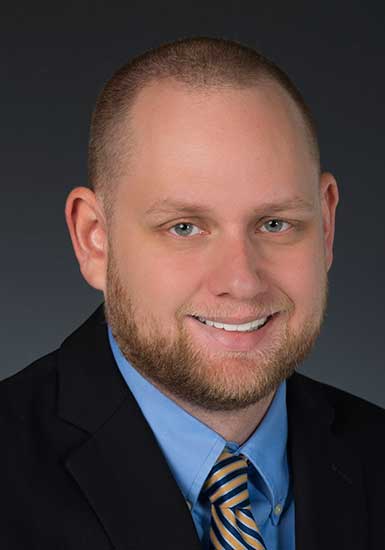 ISHN and Cority are teaming up for a Process Safety Management webinar on March 28th. Before the webinar, ISHN’s Maureen Paraventi caught up with Ian Cohen from Cority to discuss the ins and outs of building an effective process safety management program.
What are potential obstacles to building an effective Process Safety Management (PSM) program?
From what I’ve seen there are three related obstacles to building an effective PSM program. The first is engagement. It really takes commitment from everyone up and down the chain of command to build a best-in-class PSM program. Related to this is timely and relevant communication so that everyone from the shop floor up to the C-suite is on the same page. And the third obstacle is availability of decision-useful data. Peter Drucker famously said, “what gets measured gets managed.” As people develop their PSM programs, they really need to develop three or four key performance indicators (KPIs) to track and trend over time so that they adequately measure the effectiveness of their PSM program.
Are there companies or industries that don’t realize they need PSM? Or don’t realize the urgency? And what are the dangers of hazardous worksites not having PSM?
I think there are likely a lot of small and some mid-sized companies that are not aware of the requirements or who have not developed strong processes. This of course puts them at risk for an event that could result in employee injuries or fatalities, public health issues, degradation of the environment, agency fines and penalties, and impacts to their reputations.
One of the issues that I see is that PSM becomes a bit of decentralized process. What I mean by this is that it’s administered at each applicable facility, so it becomes siloed from other corporate initiatives or overlooked by corporate executives. This again goes back to the ‘what gets measured, gets managed’ axiom.
How should companies get started?
The first step in the PSM process is understanding your operational processes and identifying if you have any chemicals on site that are considered highly hazardous that trip the threshold quantity limits. Once you have this information, you can begin to address the 14 elements of PSM and start building your program. You can also begin the process of centralizing, standardizing and streamlining this information so that it’s easily accessible to others. If you’re having difficulties getting started, it may be worth hiring a consultant who has relevant PSM experience to come onsite and help you and your company.
What kinds of guidance does OSHA offer?
The OSHA website is packed full of information. They have the PSM broken down by the 14 elements with the relevant 29 CFR citation, which is a great place to learn the requirements if you are just getting started or need a quick refresher on a particular requirement. OSHA also has a relationship matrix between PSM and the Environmental Protection Agency’s Risk Management Plan Requirement (RMP), which can help safety professionals work with their environmental colleagues to ensure that the company is meeting both requirements. They also post standard interpretations on their website, which are based on questions from the business community. You can search the database to find a particular standard and see OSHA’s response to question. These are just a few of the resources that can be found online.
Of the 14 key elements of PSM, are there some more difficult than others to implement?
I don’t think any are terribly difficult to implement if you have the support from management and employees. Some pieces will take longer than others to develop and you have to be able to speak the language of each stakeholder. It’s important that process engineers, operations managers, maintenance leads, and safety professionals, to name a few groups, communicate with each other effectively and really understand the goals of PSM so that the deliverables are useful to each group.
Once PSM is in place, what must be done in terms of ongoing management?
It’s important that everyone involved understands that PSM is not a one time activity or a set it and forget it type of program. PSM follows the Plan-Do-Check-Act model of continuous improvement, so the programs should be evaluated at least annually, or sooner if there are site modifications or process modifications, to ensure that programs have been properly reviewed and updated to address any new risks. Safety professionals should also establish routine inspections and setup programmed audits under the regulations. These are opportunities for people to identify any gaps that could increase the risk of a serious event occurring. It’s important that people remember that failure to act upon findings from audits or process hazard safety reviews is not subject to the six-month statute of limitations that applies to record keeping, so companies can be exposing themselves to huge fines from OSHA if they fail to meet their statutory obligations. Lastly, safety professionals need to keep apprised of new state and federal regulations to ensure that they are complying with all current standards.
Has the PSM concept evolved over time?
PSM continues to evolve, including at the regulator level. After the West, Texas fertilizer plant explosion in 2013, the Obama administration took a hard look at the existing standards and proposed significant changes to the RMP program. These changes have come under fire since 2017.
With that said, more and more companies are moving towards Risk Based Process Safety, which was developed by Center for Chemical Process Safety (CCPS). According to CCPS, “The RBPS approach recognizes that all hazards and risks are not equal; consequently, it advocates that more resources should be focused on more significant hazards and higher risks.” CCPS considers this to be ‘the framework for the next generation of process safety management’.
The ultimate goal of RBPS is to help companies build a more effective process safety management program. When I was in industry, one of the companies I worked for was moving to condition based maintenance and monitoring to reduce the risk of a catastrophic failure that could result in a safety and/or environmental event. Asset management is a critical component of any successful PSM/RBPS program.
With recent events in Deer Park, Texas and Pasadena, Texas, it’s clear that a paradigm shift is needed in order to reduce the risk of serious chemical incidents. The consequences of not doing anything or continuing to do the same thing over and over are just too high for it to be an accepted risk.
Register for the Process Safety Management Webinar
For more tips to build a best-in-class Process Safety Management program at your organization, register for the upcoming ISHN webinar, Process Safety Management: Build and Optimize a Program that Fits Your Organization: March 28, 2 p.m. EDT.

Looking for a reprint of this article?
From high-res PDFs to custom plaques, order your copy today!