ISHN logo
search
cart
facebook twitter linkedin youtube
  • Sign In
  • Create Account
  • Sign Out
  • My Account
ISHN logo
  • NEWS
    • Today's News
    • Global Safety News
    • Government Regulations
  • PRODUCTS
    • Product Innovations
    • Featured Products
  • TOPICS
    • Environmental Health and Safety
    • Facility Safety
    • Workplace Health
    • Occupational Safety
    • PPE
    • More Topics
  • CONSTRUCTION
  • TECHNOLOGY
  • COLUMNS
    • Best Practices
    • Dave Johnson: What’s going on
    • Editorial Comments
    • Leading Safety
  • MULTIMEDIA
    • ISHN Podcast
    • Videos
    • Cold Stress Education Quiz
    • Webinars
    • White Papers
  • MORE
    • Buyer's Guide
    • Newsletters
    • Convention Companion
    • Polls
    • Events
    • ISHN Store
    • Sponsor Insights
  • EMAGAZINE
    • eMagazine
    • Archived Issues
    • Contact
    • Advertise
  • JOIN TODAY!
Environmental Health and SafetyWorkplace Health

Groundbreaking Legionella prevention model reported

Number of cases has jumped since 2002

April 16, 2019

A groundbreaking hazard analysis formula showcased in the April 2019 issue of The Synergist, the magazine of the American Industrial Hygiene Association, is expected to significantly aid users in preventing Legionella growth in buildings' water systems. Designed by J. David Krause, Ph.D., MSPH, CIH, vice chair of AIHA's Indoor Air Quality Committee and a nationally known expert in toxicology, public health and risk assessment, the tool evaluates the combined effectiveness of control measures used to prevent Legionella and other waterborne pathogens.  

Recommendations to prevent Legionella growth in buildings' water systems involve periodically measuring water temperatures, disinfectant or chlorine levels and other parameters. But the amount of data that water management programs generate can be overwhelming, and few tools are available to analyze the numerous variables used to assess these water systems.  

A 2017 requirement from the Centers for Medicare and Medicaid Services requires all health care facilities to implement programs to prevent waterborne diseases, including Legionnaires' disease. Along with the American Society of Heating, Refrigerating and Air-Conditioning Engineers (ASHRAE) 188-2018 standard, Legionella risk assessments must be performed in a wide array of buildings regularly to prevent outbreaks of disease.  

To address this challenge, Krause developed a model that allows users to evaluate a water system's susceptibility to Legionella amplification, prioritize corrective actions or improvements for systems found to be at high risk and validate the effectiveness of control measures. Using the model, occupational health professionals, facility managers and building owners, as well as water management teams, can make evidence-based decisions on the allocation of time, personnel and resources to manage their water systems for Legionella.  

"The cost of implementing a water management program to prevent a Legionnaires' disease outbreak can be budget busting, but not having one can cost lives and the reputation and trust of a health care facility," Krause said. "The first step in building a program that is both protective and cost effective is to perform a facility-wide risk assessment."  

Rates of Legionnaires' disease across the United States continue to rise dramatically. Since 2002, the number of cases has increased fivefold. In 2018, 8,453 cases were reported to the Centers for Disease Control and Prevention, a 13 percent increase from the previous year. People who are at greatest risk of contracting Legionnaires' disease include the elderly, people with suppressed immunity, smokers (current and former) and frequent travelers. Experts consider June through October to be "Legionella season" due to increased reporting of disease and possibly rising temperatures. 

While Krause's formula is intended to help professionals, he also has a few tips for consumers. In particular, Krause warns that well-meaning but inexperienced or untrained consultants can make an already bad situation worse.  

"The absolute worst time to find, interview and vet a consulting expert is during the throes of a disease outbreak," Krause said. "There are currently no credentials, licenses or certifications that ensure a professional has any expertise in assessing, finding or mitigating Legionella sources. Bad advice or guidance from an ill-informed consultant can prolong an outbreak investigation, fail to find sources or even increase the chances of more people contracting the disease. Facilities should include in their water program contingency plans for an outside consultant who has been vetted and is familiar with the facility and local public health agencies."  

On May 23, Krause and his colleagues will present a professional development course at the American Industrial Hygiene Conference and Expo in Minneapolis, Minnesota, on the tools needed to perform Legionella risk assessments for buildings' water systems. Course topics include conducting a Legionella risk assessment; measuring water quality, disinfectant levels, pH, temperatures and other parameters; and planning for initial, routine and outbreak assessments of buildings' water systems. Case studies and video footage will be used to demonstrate specific techniques, methods and analyses. For more information, visit www.aihce2019.org.  

Legionnaires' Disease Facts 

  • Primarily diagnosed as pneumonia due to gram-negative bacteria found in man-made water sources, Legionnaires' disease originates in freshwater environments around the world. People are infected by inhaling tiny droplets of water (aerosols) that contain Legionella bacteria. 
  • Since 2002, the number of Legionnaires' disease cases in the United States has increased fivefold.
  • Although antibiotics can effectively treat most cases of Legionnaires' disease, death occurs in some instances. 
  • The total number of cases reported to the CDC in 2018 was 8,453, a 13 percent increase from the previous year, during which 7,458 cases were reported; however, because Legionnaires' disease is likely underdiagnosed, this number is considered by public health officials to underestimate the true incidence. 
  • About one in 10 people who get sick from Legionnaires' disease will die from infection.  
  • About one in four people with weakened immunity who get sick from Legionnaires' disease will die.  
  • People most at risk are those with weakened immunity, smokers and former smokers, frequent travelers and people over 50 years of age. Males are also more at risk.  
  • June through October is considered by many experts the most dangerous season for contracting Legionnaires' disease. 

About The Synergist

Serving occupational and environmental health and safety professionals, The Synergist is a monthly magazine that provides in-depth news and information about the occupational and environmental health and safety fields and the industrial hygiene profession. The Synergist focuses on industry trends and news, government and regulatory activities, key issues facing the profession, technical information and other related matters. 

About AIHA

Founded in 1939, AIHA is a nonprofit organization serving professionals dedicated to the anticipation, recognition, evaluation, control and confirmation of environmental stressors in or arising from the workplace that may result in injury, illness or impairment or that affect the well-being of workers and members of the community. AIHA provides comprehensive education programs and other products and services that help its members maintain the highest professional standards. 

More than half of AIHA's nearly 8,500 members are Certified Industrial Hygienists, and many hold other professional designations. AIHA serves as a resource for those employed in the industrial, consulting, academic and government sectors. For more information, please visit www.aiha.org. 

KEYWORDS: health and wellness public health water safety

Share This Story

Looking for a reprint of this article?
From high-res PDFs to custom plaques, order your copy today!

Recommended Content

JOIN TODAY
to unlock your recommendations.

Already have an account? Sign In

  • forklift safety

    Exploring the latest technologies in forklift safety

    With more staff and more stock in warehousing now more...
    Workplace Training Strategies
    By: Josh Cramer
  • welding

    All about welder’s flash or arc eye

    A flash burn is a painful inflammation of the cornea,...
    Environmental Health and Safety
  • dangerous jobs

    The 10 most dangerous jobs in the U.S.

    On-the-job deaths have been rising — hitting the highest...
    Transportation Safety
    By: Benita Mehta
Manage My Account
  • eMagazine Subscriptions
  • ISHN Newsletter & Other Newsletter Alerts
  • Online Registration
  • Manage My Preferences
  • Subscription Customer Service

More Videos

Sponsored Content

Sponsored Content is a special paid section where industry companies provide high quality, objective, non-commercial content around topics of interest to the ISHN audience. All Sponsored Content is supplied by the advertising company and any opinions expressed in this article are those of the author and not necessarily reflect the views of ISHN or its parent company, BNP Media. Interested in participating in our Sponsored Content section? Contact your local rep!

close
  • man wearing the the Sundström SR200 Full Face Mask Respirator
    Sponsored byOHD

    5 Fit Testing Mistakes That Could Cost You

  • This image shows Magid AcuSpex polarized blue mirrored safety glasses.
    Sponsored byMagid Glove and Safety

    Construction PPE Guide: What Crews Need for Each Task

  • lone worker in confined space
    Sponsored byAlphasense Ltd.

    GET THE LEAD OUT of your Safety Oxygen Sensors!

Popular Stories

SpaceX 7 launch

OSHA Investigating Fatal Fall at SpaceX Starbase

Automated loading dock equipment

After March 2026 Rivian Death, Safety Managers Reassess Loading Dock Systems Under OSHA's Warehouse Emphasis Program

psychology in the workplace

Most Workplaces Measure Psychological Safety, Ignoring Psychosocial Risks

top 10 most dangerous jobs

Poll

Seasonal Readiness

With the federal heat stress prevention rule on the horizon, which area of your safety program needs the most attention?
View Results Poll Archive

Products

Surviving an OSHA Audit A Management Guide, 2nd Edition

Surviving an OSHA Audit A Management Guide, 2nd Edition

See More Products

ISHN Podcasts

Related Articles

  • CDC warns of Legionella risk from hot tubs

    See More
  • Legionella

    Why the Construction Industry Needs Stronger Legionella Protection

    See More
  • AIHA takes preventive approach in new Legionella guideline

    See More

Related Products

See More Products
  • 1118645685.jpg

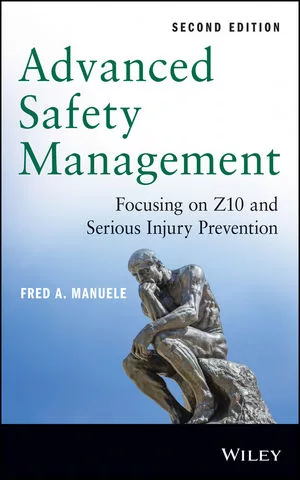
    Advanced Safety Management: Focusing on Z10 and Serious Injury Prevention, 2nd Edition

  • 9781482217148.jpg

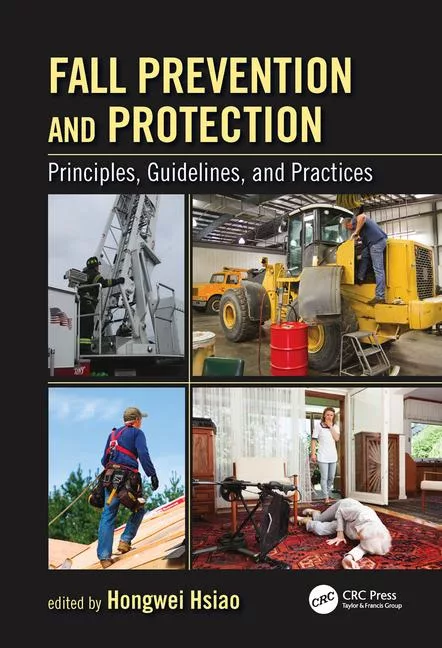
    Fall Prevention and Protection: Principles, Guidelines, and Practices

See More Products

Events

View AllSubmit An Event
  • May 23, 2017

    Zika Virus: An Emerging Infectious Disease, Epidemiology, Risks and Prevention in the Workplace

    Zika Virus: An Emerging Infectious Disease, Epidemiology, Risks and Prevention in the Workplace will present the history and evolution of the Zika Virus including understanding the geographic areas and populations at risk, the epidemiology of the disease, modes of transmission, case definitions, clinical presentation, health effects, surveillance and prevention in the workplace and in the community.
View AllSubmit An Event
×

Become a Leader in Safety Culture

Build your knowledge with ISHN, covering key safety, health and industrial hygiene news, products, and trends.

JOIN TODAY
  • RESOURCES
    • Advertise
    • Contact Us
    • Directories
    • Manufacturing Division
    • Store
    • Want More
  • SIGN UP TODAY
    • Create Account
    • eMagazine
    • Newsletters
    • Customer Service
    • Manage Preferences
  • SERVICES
    • Marketing Services
    • Reprints
    • Market Research
    • List Rental
    • Survey/Respondent Access
  • STAY CONNECTED
    • LinkedIn
    • Facebook
    • YouTube
    • X (Twitter)
  • PRIVACY
    • PRIVACY POLICY
    • TERMS & CONDITIONS
    • DO NOT SELL MY PERSONAL INFORMATION
    • PRIVACY REQUEST
    • ACCESSIBILITY

Copyright ©2026. All Rights Reserved BNP Media, Inc. and BNP Media II, LLC.

Design, CMS, Hosting & Web Development :: ePublishing