ISHN logo
search
cart
facebook twitter linkedin youtube
  • Sign In
  • Create Account
  • Sign Out
  • My Account
ISHN logo
  • NEWS
    • Today's News
    • Global Safety News
    • Government Regulations
  • PRODUCTS
    • Product Innovations
    • Featured Products
  • TOPICS
    • Environmental Health and Safety
    • Facility Safety
    • Workplace Health
    • Occupational Safety
    • PPE
    • More Topics
  • CONSTRUCTION
  • TECHNOLOGY
  • COLUMNS
    • Best Practices
    • Dave Johnson: What’s going on
    • Editorial Comments
    • Leading Safety
  • MULTIMEDIA
    • ISHN Podcast
    • Videos
    • Cold Stress Education Quiz
    • Webinars
    • White Papers
  • MORE
    • Buyer's Guide
    • Newsletters
    • Convention Companion
    • Polls
    • Events
    • ISHN Store
    • Sponsor Insights
  • EMAGAZINE
    • eMagazine
    • Archived Issues
    • Contact
    • Advertise
  • JOIN TODAY!
Occupational SafetyTransportation SafetySafety & Health Best Practices

Ensuring fleet safety – when the fleet is automated

ASSP has guidance for safe use of new tech

July 1, 2019

With auto manufacturers producing more vehicles with automated driving components, the American Society of Safety Professionals (ASSP) has developed a technical report to help companies safely manage their high-tech fleets. The report identifies key factors that fleet managers should consider when selecting automated vehicles and outlines a plan to assist with their safe operation.

“Not so long ago, automated vehicles seemed like science fiction, but the reality is that this technology has become increasingly common in helping drivers stay safe on the road,” said Kelly Nantel, chair of ASSP’s technical subcommittee that wrote the technical report.

The organization has more than 39,000 members worldwide who are on the front line of occupational safety and health.

The consensus-based document, ASSP TR-Z15.3-2019, “Management Practices for the Safe Operation of Partially and Fully Automated Motor Vehicles,” contains recommendations from safety experts who have backgrounds in traffic safety, collision avoidance systems, risk management and motor vehicle equipment manufacturing. Guidance covers a wide range of areas, including vehicle acquisition, training, operation, maintenance and incident reporting.
 

Despite the safety benefits of automation, there will always be risk when vehicles are on the road.


“While the technical report can help any company safely incorporate automated vehicles into their fleets, it’s especially beneficial to those that don’t have expertise in this area and are looking for a blueprint to assist them,” Nantel said. “It’s just what a fleet safety professional needs as new policies and procedures are developed.”

More than 90 percent of new cars sold in the U.S. have at least one advanced driver-assistance system (ADAS) feature such as adaptive cruise control, automatic parking and blind spot monitoring. Twenty auto manufacturers have committed to equipping all new passenger vehicles with automatic emergency braking by 2022.

“This type of technology holds incredible promise for its potential to prevent injuries and save lives, but plenty of work remains for the safe development and deployment of automated vehicles on a mass scale,” said Nantel, who also serves as vice president of communications and advocacy for the National Safety Council.

The technical report recommends that organizations consider their fleet operating environment when selecting automated vehicles. For example, fleets primarily operating in urban areas should make pedestrian and cyclist collision warning systems a priority. Lane departure warning systems, on the other hand, are more critical for fleets that mostly use highways.

Another key element of the report calls for companies to train drivers on the capabilities and limitations of automated vehicles, using behind-the-wheel observation in real-world driving situations. “It’s important for workers to know what their vehicle is capable of doing, and also what it doesn’t do,” Nantel said.

Despite the safety benefits of automation, there will always be risk when vehicles are on the road.

“Every driver must remain alert and be prepared to take over driving operations because they are still their car’s best safety feature,” Nantel said. “We sadly have already seen fatal crashes in which drivers of partially automated vehicles did not heed warnings to take control of the wheel.”

Share This Story

Looking for a reprint of this article?
From high-res PDFs to custom plaques, order your copy today!

Recommended Content

JOIN TODAY
to unlock your recommendations.

Already have an account? Sign In

  • forklift safety

    Exploring the latest technologies in forklift safety

    With more staff and more stock in warehousing now more...
    Workplace Training Strategies
    By: Josh Cramer
  • welding

    All about welder’s flash or arc eye

    A flash burn is a painful inflammation of the cornea,...
    Environmental Health and Safety
  • dangerous jobs

    The 10 most dangerous jobs in the U.S.

    On-the-job deaths have been rising — hitting the highest...
    Occupational Safety
    By: Benita Mehta
Manage My Account
  • eMagazine Subscriptions
  • ISHN Newsletter & Other Newsletter Alerts
  • Online Registration
  • Manage My Preferences
  • Subscription Customer Service

More Videos

Sponsored Content

Sponsored Content is a special paid section where industry companies provide high quality, objective, non-commercial content around topics of interest to the ISHN audience. All Sponsored Content is supplied by the advertising company and any opinions expressed in this article are those of the author and not necessarily reflect the views of ISHN or its parent company, BNP Media. Interested in participating in our Sponsored Content section? Contact your local rep!

close
  • man wearing the the Sundström SR200 Full Face Mask Respirator
    Sponsored byOHD

    5 Fit Testing Mistakes That Could Cost You

  • This image shows Magid AcuSpex polarized blue mirrored safety glasses.
    Sponsored byMagid Glove and Safety

    Construction PPE Guide: What Crews Need for Each Task

  • lone worker in confined space
    Sponsored byAlphasense Ltd.

    GET THE LEAD OUT of your Safety Oxygen Sensors!

Popular Stories

SpaceX 7 launch

OSHA Investigating Fatal Fall at SpaceX Starbase

Automated loading dock equipment

After March 2026 Rivian Death, Safety Managers Reassess Loading Dock Systems Under OSHA's Warehouse Emphasis Program

psychology in the workplace

Most Workplaces Measure Psychological Safety, Ignoring Psychosocial Risks

top 10 most dangerous jobs

Poll

Seasonal Readiness

With the federal heat stress prevention rule on the horizon, which area of your safety program needs the most attention?
View Results Poll Archive

Products

Surviving an OSHA Audit A Management Guide, 2nd Edition

Surviving an OSHA Audit A Management Guide, 2nd Edition

See More Products

ISHN Podcasts

Related Articles

  • Fleet safety library

    See More
  • Fleet safety library

    See More
  • POSITIVE SAFETY CULTURES: When the choice is to change or die

    See More

Related Products

See More Products
  • 1119906652.webp

    Alive and Well at the End of the Day: The Supervisor's Guide to Managing Safety in Operations, 2E

  • fearless world.jpg

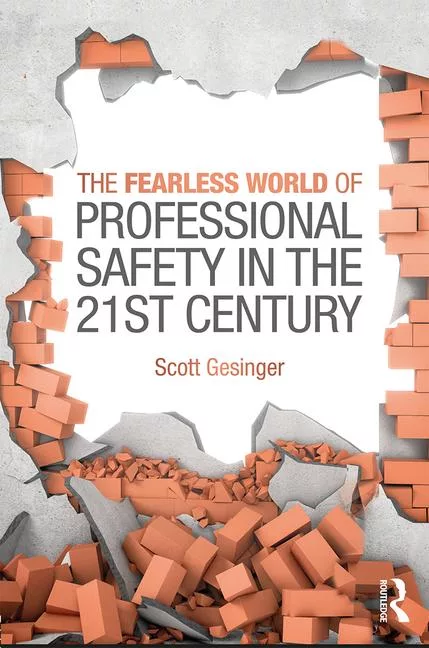
    The Fearless World of Professional Safety in the 21st Century

See More Products
×

Become a Leader in Safety Culture

Build your knowledge with ISHN, covering key safety, health and industrial hygiene news, products, and trends.

JOIN TODAY
  • RESOURCES
    • Advertise
    • Contact Us
    • Directories
    • Manufacturing Division
    • Store
    • Want More
  • SIGN UP TODAY
    • Create Account
    • eMagazine
    • Newsletters
    • Customer Service
    • Manage Preferences
  • SERVICES
    • Marketing Services
    • Reprints
    • Market Research
    • List Rental
    • Survey/Respondent Access
  • STAY CONNECTED
    • LinkedIn
    • Facebook
    • YouTube
    • X (Twitter)
  • PRIVACY
    • PRIVACY POLICY
    • TERMS & CONDITIONS
    • DO NOT SELL MY PERSONAL INFORMATION
    • PRIVACY REQUEST
    • ACCESSIBILITY

Copyright ©2026. All Rights Reserved BNP Media, Inc. and BNP Media II, LLC.

Design, CMS, Hosting & Web Development :: ePublishing