ISHN logo
search
cart
facebook twitter linkedin youtube
  • Sign In
  • Create Account
  • Sign Out
  • My Account
ISHN logo
  • NEWS
    • Today's News
    • Global Safety News
    • Government Regulations
  • PRODUCTS
    • Product Innovations
    • Featured Products
  • TOPICS
    • Environmental Health and Safety
    • Facility Safety
    • Workplace Health
    • Occupational Safety
    • PPE
    • More Topics
  • CONSTRUCTION
  • TECHNOLOGY
  • COLUMNS
    • Best Practices
    • Dave Johnson: What’s going on
    • Editorial Comments
    • Leading Safety
  • MULTIMEDIA
    • ISHN Podcast
    • Videos
    • Cold Stress Education Quiz
    • Webinars
    • White Papers
  • MORE
    • Buyer's Guide
    • Newsletters
    • Convention Companion
    • Polls
    • Events
    • ISHN Store
    • Sponsor Insights
  • EMAGAZINE
    • eMagazine
    • Archived Issues
    • Contact
    • Advertise
  • JOIN TODAY!
Environmental Health and SafetyIndustrial HygieneOil and Gas Industry Safety & Health

Don’t let your equipment leave you in the cold

Gas detection can be challenging when the weather turns frigid
By Dave Wagner
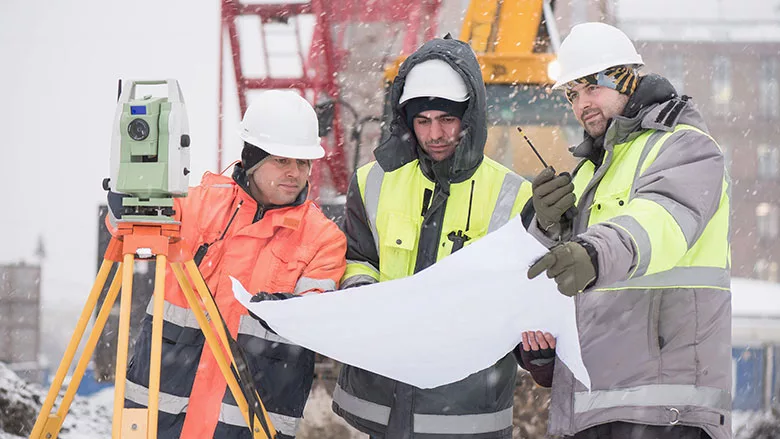
portable gas monitor in winter

Photo credit: Industrial Scientific

December 19, 2022

With chilling months right around the corner, you might be concerned about a number of things: driving conditions, keeping your home heated, shoveling the driveway. For people who work outside, winter weather can pose a range of risks, from hypothermia to slipping on ice. However, if atmospheric hazards are a risk at your worksite, the way your life-saving gas detection equipment might react to the less-than-ideal conditions should be at the top of that list. 

By following some simple tips, you can worry less about your portable gas monitor’s performance and trust that you can depend on it to prevent exposure to toxic or combustible gases. 

Temperature thresholds 

One of the obvious factors to consider is the minimum temperature your gas monitor can tolerate.  

While some instruments are rated as low as minus 40 degrees Celsius or minus 40 degrees Fahrenheit, the low temperature rating for continuous operation of most portable gas monitors is minus 20 C or minus 4 F. Even so, most instruments may be used at lower temperatures for short periods.  

Regardless of the rating, you should try to limit exposure to extreme temperatures as much as possible. Consult your gas monitor’s specification sheet to find its suggested temperature range. 

Gas reading accuracy 

In the presence of toxic or combustible gases, an accurate reading from your gas detector can mean the difference between life and death by giving you time to escape an unsafe environment. In fact, you depend on accuracy to make informed decisions and respond appropriately to atmospheric changes in many scenarios.

This may lead you to wonder if temperature plays a role in the readings you get from your gas detector. Sensor response will certainly change as the temperatures get colder, but more sophisticated gas monitors typically use “temperature compensation” to keep gas readings within +/-15% of the actual concentrations.  

Outside of the limitations of gas monitors in cold weather that you don’t have much control of, there are actions you can take to stay protected and maintain the health of your devices when using them in frigid conditions. 

 Maintenance needs 

Atypical weather conditions call for some specific maintenance needs to help extend the life and performance of your gas detector fleet. 

The first thing you can do is store your gas monitoring equipment in a humid area. The cold winter climate can be extremely dry, especially in the Northern Plains, Northwest Canada, and Alaska. The dry climate impacts the performance of some electrochemical sensors even more than cold temperatures. To prevent the aqueous electrolytes from drying out, store and charge your instruments in a humidified area. Keeping the ambient relative humidity at 40-50% will go a long way toward maintaining the sensitivity of your sensors and will keep them working longer. 

If a gas monitor seems to be lagging, you may need to bump test more frequently. The response of the instrument may appear sluggish at temperatures below minus 20 C. The display may dim and even go blank if it freezes. If this happens, your gas monitor will likely still detect gas and will still alarm. If you must use it this way, you should bump test it before each use to make sure it responds, and you should get the instrument warmed up as soon as possible. 

When you’ve been working out in the cold for a while or you suspect your gas monitor’s readings may not be reliable, check the oxygen sensor to make sure it’s not frozen. The electrochemical sensors in your instrument typically have an aqueous electrolyte, and in some cases, may freeze as temperatures drop below minus 20 C for an extended period. The oxygen sensor will normally be the first to freeze. When frozen, the sensors will not be able to produce a reliable reading, but functionality should return once they warm up and thaw out. 

Finally, be ready to charge your gas monitors more frequently in the winter. Battery run time may be reduced in cold temperatures; below minus 20 C, run time may be reduced by 50% or more. 

 In the field 

Your behavior and precautions when using your gas monitor out in the field can help it run better, too. 

When you walk outside to start a job, your body senses the cold instantly. However, it will take a while for your gas monitor to reach equilibrium with the ambient temperature. The temperature compensation will typically track with the internal temperature of the monitor.  

If you plan on being in the cold for less than 20 minutes, there is no need to stabilize your gas monitor and adjust to the outdoor temperature before using it. However, if you will be using your monitor outside for more than 20 minutes, let it stabilize at the ambient temperature for 15 - 20 minutes before use, and then turn it on and zero the sensors in the fresh air. 

A final tip is to keep your gas monitor warm until you need it. This can be done by keeping your gas monitor close to your body until you’re ready to use it. If you are using the monitor for remote sampling, keeping it inside your coat until you need to read the screen will help keep it warm and functioning longer. 

A good rule of thumb for using gas detectors in cold weather is that if you can stand to be out working in the cold, so can your gas monitor. If it’s too cold for you, it’s probably too cold for the instrument. 

Don’t let the season leave you, or your gas detector, out in the cold. Stay safe and warm this winter season.


KEYWORDS: gas monitoring instruments outdoor work hazards portable monitor

Share This Story

Looking for a reprint of this article?
From high-res PDFs to custom plaques, order your copy today!

Dave Wagner is director of product knowledge and applications engineering at Industrial Scientific. He can be reached at dwagner@indsci.com.

Recommended Content

JOIN TODAY
to unlock your recommendations.

Already have an account? Sign In

  • forklift safety

    Exploring the latest technologies in forklift safety

    With more staff and more stock in warehousing now more...
    Facility Safety
    By: Josh Cramer
  • welding

    All about welder’s flash or arc eye

    A flash burn is a painful inflammation of the cornea,...
    Environmental Health and Safety
  • dangerous jobs

    The 10 most dangerous jobs in the U.S.

    On-the-job deaths have been rising — hitting the highest...
    Government Safety Regulations
    By: Benita Mehta
Manage My Account
  • eMagazine Subscriptions
  • ISHN Newsletter & Other Newsletter Alerts
  • Online Registration
  • Manage My Preferences
  • Subscription Customer Service

More Videos

Sponsored Content

Sponsored Content is a special paid section where industry companies provide high quality, objective, non-commercial content around topics of interest to the ISHN audience. All Sponsored Content is supplied by the advertising company and any opinions expressed in this article are those of the author and not necessarily reflect the views of ISHN or its parent company, BNP Media. Interested in participating in our Sponsored Content section? Contact your local rep!

close
  • man wearing the the Sundström SR200 Full Face Mask Respirator
    Sponsored byOHD

    5 Fit Testing Mistakes That Could Cost You

  • This image shows Magid AcuSpex polarized blue mirrored safety glasses.
    Sponsored byMagid Glove and Safety

    Construction PPE Guide: What Crews Need for Each Task

  • lone worker in confined space
    Sponsored byAlphasense Ltd.

    GET THE LEAD OUT of your Safety Oxygen Sensors!

Popular Stories

SpaceX 7 launch

OSHA Investigating Fatal Fall at SpaceX Starbase

Automated loading dock equipment

After March 2026 Rivian Death, Safety Managers Reassess Loading Dock Systems Under OSHA's Warehouse Emphasis Program

psychology in the workplace

Most Workplaces Measure Psychological Safety, Ignoring Psychosocial Risks

top 10 most dangerous jobs

Poll

Seasonal Readiness

With the federal heat stress prevention rule on the horizon, which area of your safety program needs the most attention?
View Results Poll Archive

Products

Surviving an OSHA Audit A Management Guide, 2nd Edition

Surviving an OSHA Audit A Management Guide, 2nd Edition

See More Products

ISHN Podcasts

Related Articles

  • AUGUST COVER STORY: Don't let your facility go Up In Smoke

    See More
  • Don’t let your exhortations ring hollow

    See More
  • LOTO training

    Don’t let your Lockout/Tagout training lapse

    See More

Related Products

See More Products
  • fearless world.jpg

    The Fearless World of Professional Safety in the 21st Century

See More Products

Related Directories

  • DragonWear®

    At DragonWear® we don't just create apparel products. We push the frontiers of safety and performance by inventing new technical hybrid fabrics, investing in state-of-the-art-design, and embracing technological innovation. Your work is demanding enough without worrying about your clothes working against you. That's why 'The Clothes You Live In' is more than just a tagline. It's our promise.
  • BSI Consulting

    BSI’s Industrial Hygiene and Occupational Health Consulting specialists provide a comprehensive range of strategic, management, and technical consulting solutions—assessment, compliance, risk management, reporting, training, communication, inspecting and testing, and more—partnering with clients to achieve their current needs and long-term goals.
×

Become a Leader in Safety Culture

Build your knowledge with ISHN, covering key safety, health and industrial hygiene news, products, and trends.

JOIN TODAY
  • RESOURCES
    • Advertise
    • Contact Us
    • Directories
    • Manufacturing Division
    • Store
    • Want More
  • SIGN UP TODAY
    • Create Account
    • eMagazine
    • Newsletters
    • Customer Service
    • Manage Preferences
  • SERVICES
    • Marketing Services
    • Reprints
    • Market Research
    • List Rental
    • Survey/Respondent Access
  • STAY CONNECTED
    • LinkedIn
    • Facebook
    • YouTube
    • X (Twitter)
  • PRIVACY
    • PRIVACY POLICY
    • TERMS & CONDITIONS
    • DO NOT SELL MY PERSONAL INFORMATION
    • PRIVACY REQUEST
    • ACCESSIBILITY

Copyright ©2026. All Rights Reserved BNP Media, Inc. and BNP Media II, LLC.

Design, CMS, Hosting & Web Development :: ePublishing