Beyond rain protection: The importance of flame-resistant and arc-rated gear
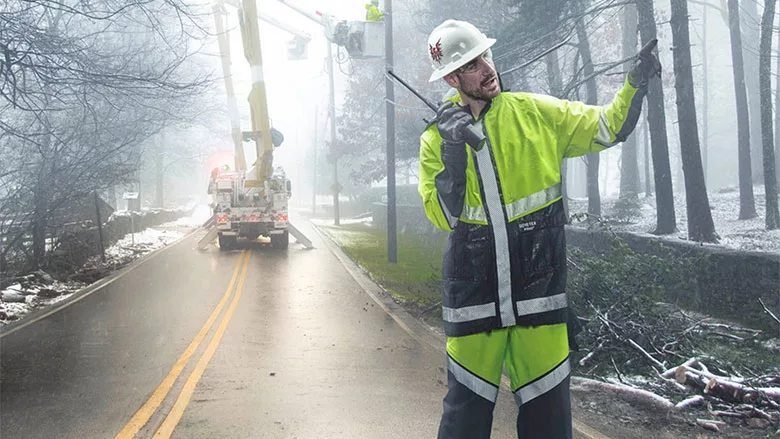
Photo credit: PK Safety
When most people think of rainwear, they imagine garments designed for keeping dry, staying warm, and often, both. The concept of flame-resistant (FR) and arc-rated (AR) gear might seem paradoxical — why should something meant to repel water also protect against fire and electrical hazards? However, in high-risk industries, such as chemical manufacturing, oil and gas, and utilities, workers are frequently exposed to environments with a combination of adverse weather conditions, flammable substances, and electrical hazards.
While effective at keeping out water, standard rainwear can become a significant safety risk if exposed to such dangers. Non-FR/AR rainwear can ignite and melt when exposed to flames or electrical arcs, exacerbating injuries rather than protecting workers. For environments where fire, electricity, and rain pose significant risks, this hybrid solution is critical to worker safety.
What is FR/AR rainwear?
FR/AR rainwear is specifically designed to offer protection against fire and electrical hazards while providing the necessary waterproofing and breathability for wet conditions. “FR” stands for flame resistant, meaning the fabric used is treated or inherently resistant to ignition and will self-extinguish if exposed to flame. Meanwhile, “AR” stands for arc rated, indicating the garment’s ability to withstand the heat and pressure generated by an electric arc flash. All AR clothing is inherently flame resistant, but not all FR clothing has an arc rating. Both FR and AR clothing items can be identified by their labels.
These personal protective equipment (PPE) are typically constructed from high-performance fabrics and can combine flame-resistant properties with waterproof and breathable membranes. The materials used in FR and AR rainwear vary, with popular choices including polyurethane-coated fabrics, polyvinyl chloride-coated fabrics, modacrylic blends, Nomex and Kevlar blends, and GORE-TEX fabrics.
Understanding the dangers
Let's explore the hazards flame-resistant rainwear protects against to highlight its importance in industrial settings.
Flash fires: A flash fire is a sudden, intense fire that spreads rapidly through an environment filled with flammable gases (methane, propane), vapors (gasoline, paint thinner), or combustible dust (wood, metal particles). The intense heat generated by flash fires can cause severe burns and other injuries.
Arc flashes: An electric arc flash occurs when an electrical fault, such as a short circuit, creates an arc between conductive elements. When this happens, the electrical current arcs through the air, bypassing the intended circuit path. This uncontrolled electrical discharge generates intense heat, light, and pressure, which can cause severe injuries or even fatalities.
The intense heat generated by electric arc flashes can cause third-degree burns in less than a second, even at distances of several feet from the flash. These burns can be fatal or result in long-term disability. Additionally, the pressure wave generated by an arc flash can throw workers across a room, causing blunt-force injuries. Additionally, the blast can project molten metal, shrapnel, and other debris, leading to cuts, lacerations, and eye injuries.
Applications for flame-resistant rainwear
Given the potential hazards of mixing wet conditions and electrical or fire risks, several industries rely on FR/AR rainwear to protect their workers. These include the following:
- Utilities: Lineworkers, substation workers, and field technicians often face the risk of arc flashes, especially in adverse weather conditions. Faulty insulation, loose connections, and aging electrical components can create conditions conducive to an arc flash.
- Construction: Welding, cutting, and soldering generate sparks and open flames, which can ignite flammable substances present in construction sites. Faulty wiring and overloaded circuits can also cause sparks that could ignite flammable materials.
- Chemical manufacturing: Workers in the oil and gas industry, chemical plants, and other environments with flammable substances are at risk of being caught in a flash fire. FR rainwear is designed to resist ignition and self-extinguish once the flame source is removed. This reduces the risk of the garment and secondary clothing catching fire, significantly minimizing the severity of burns and injuries.
FR/AR rainwear provides protection for anyone working with flammable materials or electrical equipment.
What to look for in flame-resistant rainwear
The American Society for Testing and Materials (ASTM) provides standards that ensure the quality and performance of FR/AR rainwear. These standards specify the testing methods and performance criteria that garments must meet to be certified as protective against arc flash and flame hazards.
ASTM F2733: This standard covers the performance of rainwear intended to protect workers from flash fire hazards. ASTM F2733 testing focuses on the garment’s flame resistance, thermal shrinkage, and overall durability in high-heat environments. Compliance with this standard ensures it can provide effective protection in environments where flash fires are a risk.
ASTM F1891: This standard specifies the requirements for rainwear designed to protect workers from the thermal hazards of electric arcs. ASTM F1891 testing includes evaluating the garment’s ability to resist ignition and self-extinguish after exposure to an arc flash. It also assesses the rainwear’s arc rating, indicating the protection level provided when exposed to an electrical arc discharge.
Garments that meet ASTM standards are often labeled with the relevant standard number and arc rating, providing clear information to workers and safety managers. This labeling helps select the appropriate FR/AR rainwear for specific applications and ensures compliance with safety regulations.
Additional flame-resistant rainwear considerations
Given the challenging conditions in which FR/AR rainwear is typically used, the rainwear must withstand not only the mechanical stresses of the job but also repeated exposure to harsh weather conditions. Look for rainwear featuring reinforced seams, high-quality closures, and abrasion-resistant outer layers. Meanwhile, breathable membranes and moisture-wicking linings help regulate body temperature to keep workers comfortable, even during long work hours.
We recommend purchasing from reputable brands and retailers, as some products may sport the “FR” logo without undergoing the proper testing standards. For assistance with identifying workplace hazards, assessing risks, developing safety protocols, and ensuring compliance with relevant health and safety regulations, consult a trusted safety advisor.
Looking for a reprint of this article?
From high-res PDFs to custom plaques, order your copy today!


