When does flame-resistant clothing also need to be hi-vis?
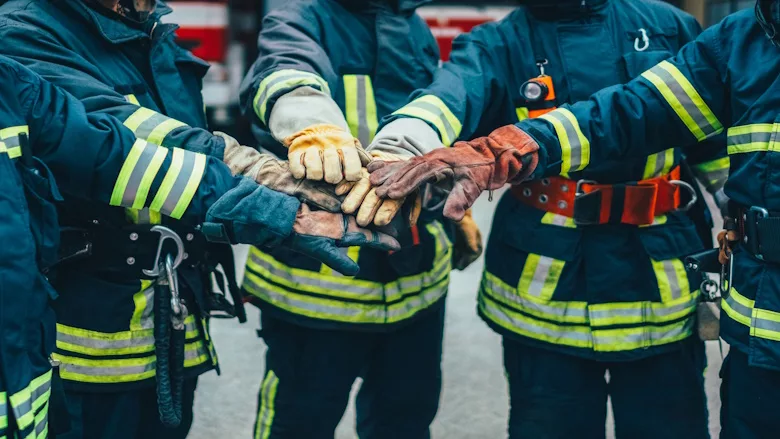
Credit: martin-dm / E+ / Getty Images Plus
In industries where fire hazards are a daily reality, flame-resistant (FR) garments play a crucial role in safeguarding workers, but flame-resistance alone is not always enough. Some high-risk industries require both flame-resistant and high visibility (hi-vis) clothing. FR hi-vis garments are engineered not only to resist ignition and prevent the spread of flames, but also to enhance visibility in low-light conditions.
It is important for safety managers to understand the ins and outs of both flame-resistant and hi-vis garment properties. As industries evolve and safety standards become more stringent, understanding the necessity of FR hi-vis clothing is not just a matter of choice, but a fundamental aspect of workplace safety protocols. FR hi-vis clothing is often your team's first line of defense in high-risk environments.
Let’s explore what FR hi-vis clothing is (and what it is not), as well as applications of when employees might need both flame protection and enhanced visibility.
What is flame-resistant clothing?
Flame-resistant clothing, also known as “FR clothing,” is specialized attire designed to protect individuals from the hazards of fire and heat. Unlike regular clothing, flame-resistant garments are made from materials that have been treated or inherently resist ignition, minimize the spread of flames, and self-extinguish when exposed to fire or high temperatures. These garments are crucial in environments where workers face potential exposure to flames, sparks, or arc flashes, providing a vital layer of protection against burns and other injuries.
What is the difference between flame-resistant and flame-retardant?
Flame-resistant fabrics are designed to resist ignition and slow down the spread of fire when exposed to a flame. These fabrics are usually flame-resistant due to inherent properties in the fabric itself, such as chemical composition or structure. In contrast, flame-retardant fabrics are treated with chemicals to reduce their flammability and delay ignition when exposed to a flame. While flame-resistant fabrics offer inherent protection, flame-retardant fabrics rely on external treatments to achieve fire resistance. Both types aim to enhance safety in environments where fire hazards exist, but they differ in their approach to achieving this goal.
Who should wear flame-resistant, high visibility clothing?
Flame-resistant, high visibility clothing is typically worn by workers in industries where there is a risk of exposure to hazards such as flames, electric arc flashes, as well as low visibility conditions or exposure to vehicles or machinery. This includes, but is not limited to, electric utility workers, oil and gas industry workers, construction workers, transportation workers, railway workers, and emergency responders, such as firefighters, rescue workers, and other emergency personnel who face various hazards in the line of duty.
Is flame-resistant high visibility clothing a requirement?
Flame-resistant high visibility clothing is a requirement for specified workers in the United States under the Occupational Safety and Health Administration's (OSHA) standards. Specifically, OSHA's 29 CFR 1910.269 standard mandates the use of flame-resistant clothing for employees working in environments where there is a risk of electric arc flash hazards. This regulation applies to workers in various industries, including electric utilities and construction, to ensure their safety when exposed to potential arc flash incidents. Other relevant flame-regulatory standards may include, but are not limited to, NFPA 2112, NFPA 70E, and ASTM F1506. While these standards may not specifically mention high visibility as a requirement, some employees may also be subject to additional high visibility standards such as ANSI/ISEA 107. Flame-resistant high visibility clothing offers protection against both fire hazards and enhances visibility for workers in environments near roadways, vehicles or machinery. Since standards are continually changing and evolving and vary by location, it is important to familiarize yourself with the standards relevant for your industry and geographic area.
How is flame-resistant high visibility clothing tested and certified?
In the United States, flame-resistant high visibility clothing undergoes rigorous testing and certification processes to ensure compliance with industry standards. One of the primary certifications is NFPA 2112, which evaluates garments' performance in protecting against flash fires. Garments must undergo tests such as ASTM D6413, assessing their flame resistance by exposing them to a flame source and measuring their ignition and burn properties. Additionally, garments may be tested for thermal protection against electric arc flashes according to ASTM F1959 or ASTM F1506 standards. High visibility properties are evaluated in accordance with ANSI/ISEA 107, which includes tests for luminance, chromaticity, and retroreflection. These tests ensure that the garments provide adequate visibility in low light conditions or complex backgrounds. Furthermore, certification bodies like UL (Underwriters Laboratories) or third-party laboratories accredited by organizations like ANSI (American National Standards Institute) assess compliance with these standards before granting certification. This comprehensive testing and certification process ensures that flame-resistant high visibility clothing meets stringent safety requirements for workers in hazardous environments.
Are employers or employees responsible for laundering and maintaining flame-resistant clothing?
In the United States, safety regulations typically designate the responsibility for laundering and maintaining flame-resistant clothing to the employer rather than the employee. This obligation is outlined in regulations such as OSHA's 29 CFR 1910.132, which requires employers to provide and maintain protective equipment, including flame-resistant clothing, at no cost to the employee. Additionally, OSHA's 29 CFR 1910.269 standard mandates specific requirements for protective clothing in industries like electric utilities, including provisions for laundering and maintenance to ensure continued effectiveness. These regulations underscore the employer's duty to safeguard workers by providing clean, well-maintained flame-resistant clothing, thus reducing the risk of injuries from fire or arc flash incidents.
By investing in and understanding the properties and applications of FR hi-vis clothing, safety managers can significantly mitigate risks and enhance the overall safety culture within their organizations. Ultimately, the commitment to utilizing advanced protective clothing reflects a broader dedication to prioritizing worker safety and health above all else.
Looking for a reprint of this article?
From high-res PDFs to custom plaques, order your copy today!