Navigating Workplace Safety in the Wake of a Republican Administration
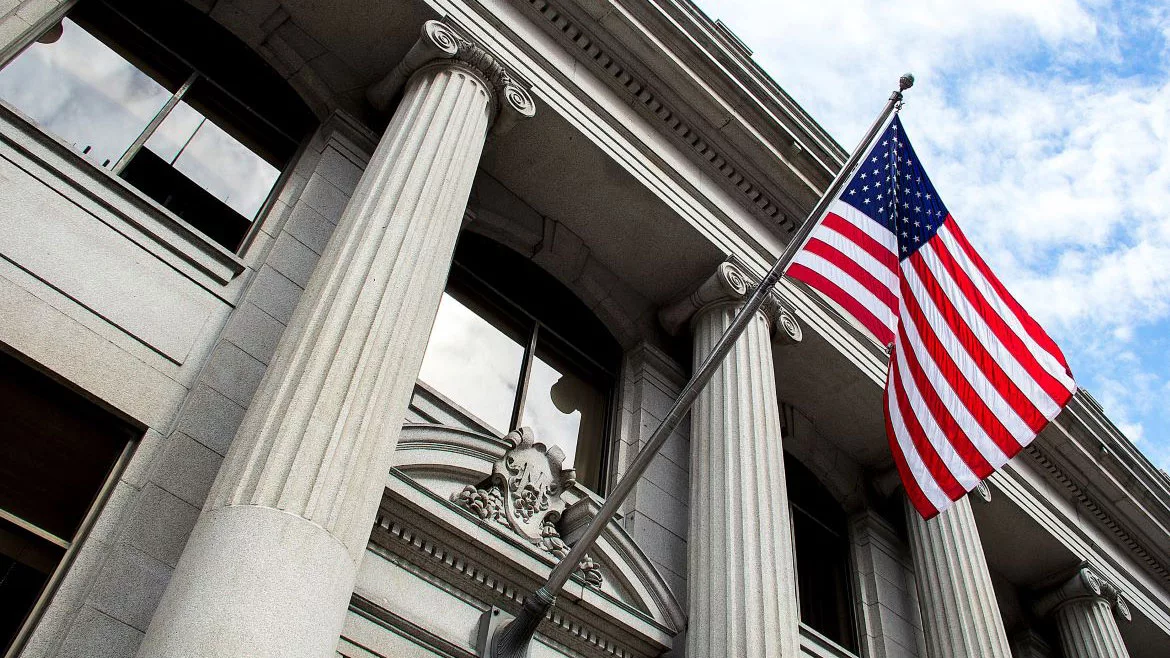
Credit: Getty Images
The landscape of workplace safety is poised for potential shifts as a new administration takes the reins of power. Based on previous experiences and existing policies, several crucial areas are identified where a Trump presidency may influence workplace safety regulations and practices.
In 2018, the Economic Policy Institute reported that Trump and congressional Republicans undertook unprecedented rollbacks of regulations. During Trump’s first term, the number of federal Occupational Safety and Health Administration (OSHA) inspectors reached an all-time low. Regulations concerning silica, mine safety, combustible dust, and styrene were also suspended during this period. While the actions of such an unpredictable president are hard to foresee, this article seeks to examine some key areas where we could anticipate changes in safety regulations.
Regulatory Change
In the past, Republican administrations have tended to roll back or modify existing regulations governing workplace safety. This may halt or reverse the development of hazard-specific safety standards, impacting the overall safety landscape. Under the first Trump administration, there were attempts to scale back or modify OSHA's electronic reporting requirements. The administration proposed changes to the Improve Tracking of Workplace Injuries and Illnesses rule, which required certain employers to electronically submit injury and illness data to OSHA. The changes sought to relax some of the reporting requirements for employers. We can anticipate similar attempts when Trump enters his second term.
Enforcement Oversight
Due to a history of fewer Occupational Safety and Health Administration (OSHA) inspectors and a lack of appointed agency heads, the enforcement of safety regulations may shift. Reduced enforcement personnel could lead to decreased oversight and enforcement activities, potentially affecting workplace safety compliance. In 2022, OSHA broadened its Severe Violator Enforcement Program (SVEP), expanding its focus on employers showing a pattern of willful, repeated, or failure-to-abate violations. This involved listing such employers publicly and subjecting them to more rigorous follow-up inspections to enhance worker safety. The updated program features more stringent requirements for inclusion in the SVEP list and heightened enforcement measures against eligible employers. There is a possibility of changes to the SVEP criteria for listing and a decrease in transparency regarding the identities of those on the list.
Industry Influence
Close ties between the administration and business leaders might influence workplace safety policies, prioritizing economic growth over stringent safety regulations. This relationship could impact developing and enforcing safety standards in various industries. The Proposed Heat Injury & Illness Prevention standard is open for public comment until December 30, 2024. This standard is designed to safeguard workers exposed to extreme heat conditions, whether indoors or outdoors, by mandating employers to establish a plan for assessing and managing heat-related risks in the workplace. It outlines the responsibilities and necessary measures for safeguarding employees to decrease incidents of heat-related injuries, illnesses, and fatalities. The Trump administration may choose not to enact this standard. As stated in Scientific American in November 2024, the potential silver lining is that there is no doubt climate change is a problem, and it’s possible there will be some pressure to do something at the state and federal levels.
Funding and Resources
Budgetary decisions made by the administration could impact the resources available to agencies responsible for workplace safety. During the first Trump administration, there were proposed budget cuts to the Department of Labor, which oversees OSHA. These budget cuts could impact OSHA's funding and resources. Reductions in funding could lead to limitations in OSHA's ability to conduct inspections, enforce workplace safety regulations, provide training and outreach programs, and respond to complaints and concerns from workers.
A decrease in OSHA's budget could also affect the agency's capacity to develop and update safety standards, conduct research on emerging occupational hazards, and support state OSHA programs. Additionally, budget cuts may influence the number of OSHA inspectors and staff, potentially impacting the agency's overall effectiveness in ensuring workplace safety and health.
Policy Reversals
The transition to a Republican administration may lead to the rollback of enforcement policies and practices adopted by the previous administration. Initiatives such as OSHA's instance-by-instance citation policy and emphasis programs may see changes, shifting from proactive enforcement to reactive responses. During his first presidency, the Trump administration rolled back or revised some existing Occupational Safety and Health Administration (OSHA) regulations. Here are some notable examples:
- Delay and Withdrawal of the Electronic Recordkeeping Rule: This rule, finalized under the Obama administration, required businesses to electronically submit injury and illness records to OSHA. The Trump administration delayed its implementation and later withdrew parts of it.
- Changes to the Beryllium Rule: This rule, aimed at protecting workers from exposure to beryllium, a toxic metal, was partially rolled back under the Trump administration. The changes applied specifically to the construction and maritime industries.
- Revocation of the Volks Rule: This rule, also enacted under the Obama administration, aimed to clarify the statute of limitations for OSHA to issue citations for safety violations. The Trump administration revoked this rule, reverting to the previous interpretation of the statute of limitations.
- Technology and AI Regulation: The regulatory landscape surrounding technology and artificial intelligence (AI) is subject to the shifting tides of government policies. Potential reversals of executive orders or shifts in AI-related policies could significantly impact workplace safety practices and regulatory structures, ushering in new liability considerations and regulatory requirements at both federal and state levels. During the Biden administration, an executive order issued in October 2022 laid out a roadmap for the development of safe, reliable, and morally sound AI technologies. This directive compelled federal agencies to evaluate and mitigate risks linked to AI systems. Given the rapid evolution of the AI landscape in recent years, the regulatory outlook under the Trump administration regarding AI usage remains uncertain. Historically, the former president leaned toward deregulation and showed little inclination toward supporting AI advancement or regulatory oversight. Businesses poised to experience a lighter regulatory environment regarding AI implementation now have an opportune moment to pinpoint areas within their organization where AI can be leveraged and seamlessly integrated.
As the country transitions to a new administration, the future of workplace safety regulations and practices hangs in the balance. Regardless of the political landscape or regulatory changes that may occur with a new administration taking over, one thing remains clear: the imperative to prioritize workplace safety should never waver. It is incumbent upon all stakeholders, especially those with the power to effect change, to uphold a commitment to safeguarding the well-being of workers. We must collectively recognize the importance of implementing practices that ensure the prevention of workplace fatalities, injuries, and illnesses, irrespective of regulatory mandates. By proactively championing a culture of safety, organizations can not only protect their most valuable asset — their people — but also cultivate a more resilient and thriving work environment.
Looking for a reprint of this article?
From high-res PDFs to custom plaques, order your copy today!