Best practices for beard-friendly respirators for Movember and beyond
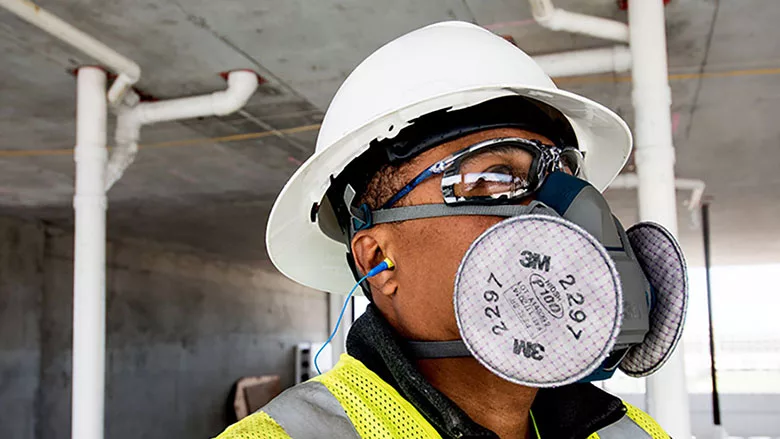
Photo credit: PK Safety
Every November, men around the world grow their mustaches and beards in support of men’s health awareness. Movember (or No Shave November, as it was originally referred to) is an annual global campaign that aims to spark conversations and raise funds for three primary men’s health issues: prostate cancer, testicular cancer, and mental health. For Movember supporters, growing a mustache shows everyone they walk past that men’s health matters to them.
Since its humble launch in 2003, the campaign has generated over $1 billion, funding over 1,250 men’s health projects across 20 countries. But while “growing a mo” brings a fun twist to raising awareness and funds for these important issues, it can present challenges for workers who rely on respirators for their safety.
The importance of properly fitting respirators
Respirators are essential personal protective equipment (PPE) that shield users from harmful airborne particles, chemicals, and gases. These protective devices are essential for maintaining safe working conditions in construction, oil and gas, or manufacturing industries. However, respirators can only offer complete protection if they fit correctly and form a tight seal around the mouth and nose. Leaks around the edges of the respirator seal can allow airborne contaminants to enter the breathing zone.
This is a particular concern for workers with thick facial hair, including beards, mustaches, and sideburns. Even a five o’clock shadow or short stubble under the edge of the respirator can compromise the seal. While a short mustache or goatee may be acceptable, any amount of facial hair that doesn’t completely fit inside the respirator will likely interfere with the sealing surface.
According to the Occupational Safety and Health Administration (OSHA) Respiratory Protection standard, “Facial hair is allowed as long as it does not protrude under the respirator seal, or extend far enough to interfere with the device’s valve function.” However, beards generally present issues for tight-fitting facepiece respirators because their texture and density vary daily, causing unreliable respirator fit and a higher potential for leakage.
For guidance on which types of facial hair are compatible with tight-fitting respirators, check out the National Institute for Occupational Safety and Health’s facial hair infographic.
Facial hair-friendly respirators
In some work environments, a loose-fitting respirator, such as Powered Air-Purifying Respirators (PAPRs), may be an option when fit testing fails or when a clean-shaven face isn’t possible. Instead of relying on a seal, PAPRs feature a powered fan unit that draws contaminated air through a filter and delivers clean air to the user’s breathing zone.
PAPRs come in different styles, including helmet-mounted, hard hats with neck capes, and hooded options that completely enclose the head and neck. The PureFlo ESM+ PF60 PAPR, for example, covers the user’s entire head and face. It’s also a one-size-fits-all hard hat, so there’s no need for fit testing. These types of respirators eliminate concerns about facial hair interfering with the seal.
Meanwhile, low-pressure respirators rely on a continuous flow of supplied air to provide breathable air. It uses a flexible hose to connect the facepiece to the air source (usually an air compressor or air cylinder). Like PAPRs, low-pressure respirators come in different styles, including helmets, face shields, and hoods. These designs provide users with facial hair and those wearing prescription glasses with the necessary protection from airborne contaminants and atmospheric hazards.
When selecting respiratory protection, identifying the specific hazards in your workplace is critical. For example, while PAPRs are widely used for welding, painting, and smelting, they may not provide sufficient protection in oxygen-deficient or highly toxic environments. To ensure your team gets the protection they deserve, consult a safety professional.
Respiratory protection guidelines
While Movember presents a unique opportunity for employers to demonstrate their commitment to both worker safety and employee well-being, it shouldn’t end there. Here are some guidelines for employers to ensure worker safety throughout the year:
Provide respirator options: For teams with many different workers, it’s best to keep several options on hand if someone shows up with a face full of fuzz. Facial hair tends to grow fast. One person may be good to go one day, only to have the respirator not fit the next time they come in for work. Employers should do their best to keep multiple sizes and styles onsite to keep their workers safe.
Pay Attention to User Instructions: Employers should train employees to always read user instructions before using any PPE. Respirator manufacturers provide detailed instructions to ensure proper protection. These include information on donning and doffing the respirator, how to check for damage, and storage and maintenance requirements.
Conduct annual fit testing: OSHA mandates that employees who use tight-fitting respirators undergo a fit test at least once a year. A fit test ensures the respirator provides an adequate seal based on the individual’s facial structure. However, fit testing may need to occur more frequently if an employee’s facial features change due to factors such as significant weight gain/loss or facial hair growth.
Perform user seal check: Train employees to perform a user seal check as described in the user instructions. Encouraging employees to perform seal checks before every use can help identify any issues that could compromise protection, especially when facial hair is involved.
Employers can offer alternative ways to support the cause for employees who wish to participate in Movember but need to remain clean-shaven for proper respirator fit. These might include organizing Movember fundraising events, creating awareness campaigns, or encouraging donations to men’s health initiatives. According to Marketing Scoop, support for Movember has evolved from posting the classic mustache photos. In 2022, popular posts included workout challenges, fundraising livestreams, and Movember-themed recipes and cocktails. By fostering a culture that balances safety with social responsibility, employers can show support for the Movember movement while maintaining compliance with safety standards.
Looking for a reprint of this article?
From high-res PDFs to custom plaques, order your copy today!