ISHN logo
search
cart
facebook twitter linkedin youtube
  • Sign In
  • Create Account
  • Sign Out
  • My Account
ISHN logo
  • NEWS
    • Today's News
    • Global Safety News
    • Government Regulations
  • PRODUCTS
    • Product Innovations
    • Featured Products
  • TOPICS
    • Environmental Health and Safety
    • Facility Safety
    • Workplace Health
    • Occupational Safety
    • PPE
    • More Topics
  • CONSTRUCTION
  • TECHNOLOGY
  • COLUMNS
    • Best Practices
    • Dave Johnson: What’s going on
    • Editorial Comments
    • Leading Safety
  • MULTIMEDIA
    • ISHN Podcast
    • Videos
    • Cold Stress Education Quiz
    • Webinars
    • White Papers
  • MORE
    • Buyer's Guide
    • Newsletters
    • Convention Companion
    • Polls
    • Events
    • ISHN Store
    • Sponsor Insights
  • EMAGAZINE
    • eMagazine
    • Archived Issues
    • Contact
    • Advertise
  • JOIN TODAY!
Government Safety RegulationsOccupational SafetyPPEFR Protection

NFPA 70E 2024 Changes: What’s New?
By Gina Godeen
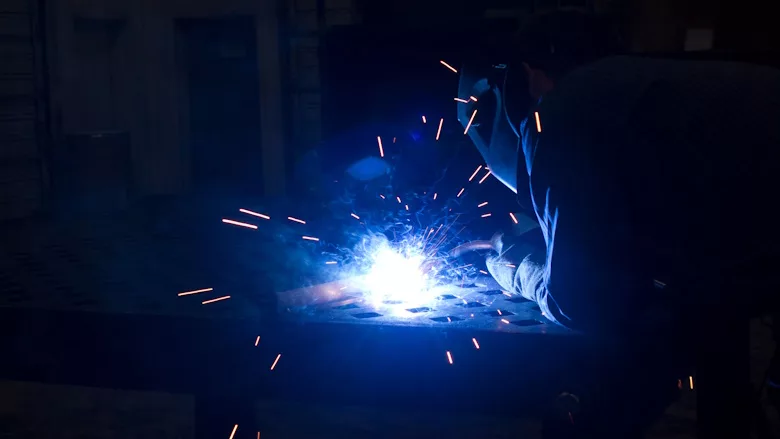
welding arc flash
Getty Images

Credit: SimplyCreativePhotography / E+ / Getty Images Plus

December 20, 2024

The National Fire Protection Agency (NFPA) recently updated the requirements of the 70E Standard for Electrical Safety in the Workplace. These requirements are updated on a regular schedule, with the latest revisions being published every three years. The NFPA 70E 2024 changes bring several important updates from the previous version. 


Electrical risks and hazards in the workplace

Millions of workers are exposed to electrical hazards on a daily basis. One of the most dangerous incidents that can occur is an arc flash, which is a type of electrical explosion. An arc flash refers to the sudden release of energy between a live conductor and another conductor or the ground, resulting in a flash of intense light and heat.

Temperatures during an arc flash can reach staggering levels. In some cases, temperatures can exceed 30,000 degrees Fahrenheit. The severity and speed of an arc flash make it a significant risk that workers need to be aware of and protected against.

By following safety standards, such as NFPA 70E, employers can ensure safe work practices are followed and protect their workers from significant electrical hazards.


Key highlights from the NFPA 70E 2024 changes

The latest revision to the standard for electrical safety in the workplace focuses on proactive hazard control measures. This update encourages employers to move beyond reactive responses and adopt measures that prevent incidents before they occur.

As part of the 2024 update, employers must incorporate changes to their documentation procedures, work practice controls, and training initiatives. 

For instance, employers must now include an emergency response plan are part of their electrical job safety planning.  A well-thought-out emergency response plan should involve regular drills, coordination with local emergency services, and ensuring that all personnel understand their role in a crisis.

Employers must also fully audit their electrical safety programs at least every three years. These audits should cover the effectiveness of risk assessments, safety training, PPE use, and emergency response plans. Regular audits help identify areas of improvement and ensure that safety protocols are current.

All affected workers must be trained on the 2024 changes. Ensuring that all personnel are well-informed on the new standards reduces the likelihood of incidents and improves workers' ability to respond safely and effectively in hazardous situations.

Other key changes from NFPA 70E 2024 include:

  • Enhanced risk assessment procedures: The updates include improved procedures for assessing and managing workplace risks, helping organizations prioritize safety measures.
  • Updated Personal Protective Equipment (PPE) guidelines: The revised NFPA 70E provides updated guidelines for selecting and using PPE to ensure worker safety. These guidelines take into account the latest advancements in protective equipment.
  • Clearer definitions of safety boundaries: The 2024 edition includes clearer definitions of safety boundaries, helping organizations establish and communicate safe working distances around electrical equipment.

The NFPA 70E Technical Committee uses the latest research, trends, and insights from the electrical industry to influence changes and updates revised publications. 


The relationship between OSHA and NFPA

The NFPA 70E was initially developed at the request of OSHA to help companies and employees prevent workplace injuries and fatalities caused by shock, electrocution, arc flash, and arc blast. 

While OSHA does not directly enforce NFPA 70E, they may use it as a reference to support citations for violations related to electrical hazards. For example, OSHA may consult NFPA 70E’s guidelines on the Flash Hazard Boundary when considering citations for personal protective equipment under 29 CFR 1910.335.


Conclusion

By reviewing the updated NFPA 70E 2024 changes, companies can better protect their workers and help ensure compliance with OSHA’s electrical standards. The 2024 updates to NFPA 70E are designed to enhance workplace safety by promoting a proactive and comprehensive approach to managing electrical hazards. 

See more articles from our January/February 2025 issue!

KEYWORDS: Arc flash electrical safety NFPA standards

Share This Story

Looking for a reprint of this article?
From high-res PDFs to custom plaques, order your copy today!

Gina Godeen is a Content Editor at J. J. Keller & Associates who joined the EHS publishing team in 2023. She began her career in safety by earning a Master's degree in Environmental Health and Safety from the University of Minnesota Duluth in 2014.

Gina has 10 years of hands-on experience as a safety manager in the construction, mining, and manufacturing industries. She specializes in writing topics related to Lockout/Tagout (LOTO), Personal Protective Equipment (PPE), confined spaces, and working from heights.

Recommended Content

JOIN TODAY
to unlock your recommendations.

Already have an account? Sign In

  • forklift safety

    Exploring the latest technologies in forklift safety

    With more staff and more stock in warehousing now more...
    Workplace Training Strategies
    By: Josh Cramer
  • welding

    All about welder’s flash or arc eye

    A flash burn is a painful inflammation of the cornea,...
    Environmental Health and Safety
  • dangerous jobs

    The 10 most dangerous jobs in the U.S.

    On-the-job deaths have been rising — hitting the highest...
    Occupational Safety
    By: Benita Mehta
Manage My Account
  • eMagazine Subscriptions
  • ISHN Newsletter & Other Newsletter Alerts
  • Online Registration
  • Manage My Preferences
  • Subscription Customer Service

More Videos

Sponsored Content

Sponsored Content is a special paid section where industry companies provide high quality, objective, non-commercial content around topics of interest to the ISHN audience. All Sponsored Content is supplied by the advertising company and any opinions expressed in this article are those of the author and not necessarily reflect the views of ISHN or its parent company, BNP Media. Interested in participating in our Sponsored Content section? Contact your local rep!

close
  • man wearing the the Sundström SR200 Full Face Mask Respirator
    Sponsored byOHD

    5 Fit Testing Mistakes That Could Cost You

  • This image shows Magid AcuSpex polarized blue mirrored safety glasses.
    Sponsored byMagid Glove and Safety

    Construction PPE Guide: What Crews Need for Each Task

  • lone worker in confined space
    Sponsored byAlphasense Ltd.

    GET THE LEAD OUT of your Safety Oxygen Sensors!

Popular Stories

SpaceX 7 launch

OSHA Investigating Fatal Fall at SpaceX Starbase

Automated loading dock equipment

After March 2026 Rivian Death, Safety Managers Reassess Loading Dock Systems Under OSHA's Warehouse Emphasis Program

psychology in the workplace

Most Workplaces Measure Psychological Safety, Ignoring Psychosocial Risks

top 10 most dangerous jobs

Poll

Seasonal Readiness

With the federal heat stress prevention rule on the horizon, which area of your safety program needs the most attention?
View Results Poll Archive

Products

Surviving an OSHA Audit A Management Guide, 2nd Edition

Surviving an OSHA Audit A Management Guide, 2nd Edition

See More Products

ISHN Podcasts

Related Articles

  • Significant changes to NFPA 70E – 2015 Edition

    See More
  • NFPA 70E 2018 changes

    Energized Equipment Update: Reviewing the NFPA 70E 2018 changes

    See More
  • NFPA 70E 2015 includes “stunning changes”

    See More

Related Products

See More Products
  • ANSI/ASSE A10.13-2011 & Comparison Document - Special Combo Package Deal

See More Products
×

Become a Leader in Safety Culture

Build your knowledge with ISHN, covering key safety, health and industrial hygiene news, products, and trends.

JOIN TODAY
  • RESOURCES
    • Advertise
    • Contact Us
    • Directories
    • Manufacturing Division
    • Store
    • Want More
  • SIGN UP TODAY
    • Create Account
    • eMagazine
    • Newsletters
    • Customer Service
    • Manage Preferences
  • SERVICES
    • Marketing Services
    • Reprints
    • Market Research
    • List Rental
    • Survey/Respondent Access
  • STAY CONNECTED
    • LinkedIn
    • Facebook
    • YouTube
    • X (Twitter)
  • PRIVACY
    • PRIVACY POLICY
    • TERMS & CONDITIONS
    • DO NOT SELL MY PERSONAL INFORMATION
    • PRIVACY REQUEST
    • ACCESSIBILITY

Copyright ©2026. All Rights Reserved BNP Media, Inc. and BNP Media II, LLC.

Design, CMS, Hosting & Web Development :: ePublishing