ISHN logo
search
cart
facebook twitter linkedin youtube
  • Sign In
  • Create Account
  • Sign Out
  • My Account
ISHN logo
  • NEWS
    • Today's News
    • Global Safety News
    • Government Regulations
  • PRODUCTS
    • Product Innovations
    • Featured Products
  • TOPICS
    • Environmental Health and Safety
    • Facility Safety
    • Workplace Health
    • Occupational Safety
    • PPE
    • More Topics
  • CONSTRUCTION
  • TECHNOLOGY
  • COLUMNS
    • Best Practices
    • Dave Johnson: What’s going on
    • Editorial Comments
    • Leading Safety
  • MULTIMEDIA
    • ISHN Podcast
    • Videos
    • Cold Stress Education Quiz
    • Webinars
    • White Papers
  • MORE
    • Buyer's Guide
    • Newsletters
    • Convention Companion
    • Polls
    • Events
    • ISHN Store
    • Sponsor Insights
  • EMAGAZINE
    • eMagazine
    • Archived Issues
    • Contact
    • Advertise
  • JOIN TODAY!
Occupational SafetyConstruction Industry Safety and Health

A Data-Driven Approach to Construction Fall Prevention

By David Tibbetts
crane construction operator

Credit: microgen / iStock / Getty Images Plus

January 28, 2025

Falls claim hundreds of lives on construction sites each year, and nearly half of the workers involved in a fall weren't using proper fall protection. Four of the top 10 most frequently cited OSHA safety standards involve fall hazards, with fall protection violations topping the list. Oftentimes, when falls occur, or fall exposures are observed, personal choice or individual worker mistakes are identified as the primary cause. Drawing this conclusion too quickly robs organizations — and the industry — of valuable insights that can reduce falls and improve safety outcomes. 

The standard accident prevention playbook misses deeper systemic risks. Improvements will require a paradigm shift towards a more nuanced, data-driven strategy that strives to identify and fix the root causes of both accidents and observed exposures. 


Events with SIF potential unlock valuable insights

Typically, recordable incidents trigger investigations resulting in corrective measures. While this approach has contributed to a reduction in overall incident rates, fatal falls remain stubbornly high. This data suggests that the industry hasn’t effectively addressed the underlying causes of serious injury or fatalities (SIFs). 

An exposure like inadequate fall protection poses a significantly greater risk than a minor laceration requiring a few stitches. But since that cut is a recordable incident, it gets investigated while the other does not. Focusing solely on investigating recordable incidents overlooks the gravity of near misses and exposures that, if left unaddressed, can lead to more serious consequences. Reducing fall risks requires the industry to investigate exposures with the same rigor it gives to recordable incidents. 

The typical response to observed exposures is often a brief conversation with the crew leader and the worker, sending the worker home, or removing them from the project. This course of action is the easy way out. While the immediate threat was mitigated, the root problem remains unaddressed. There’s nothing to stop the situation from reoccurring with a different worker. 

Treating incidents, near misses and exposures as events that could have, but did not, result in a SIF uncovers insights to improve overall safety. Determining an exposure’s root cause allows teams to identify actions required to prevent a future recurrence. 


Finding long-term solutions

When companies take the time to thoroughly evaluate any event, whether it was a recordable incident or an exposure, they can find opportunities for improvement. While the worker might bear some responsibility for an incident or exposure, a closer investigation could reveal that training programs are inadequate, pre-task plans are ineffective or incompletes, or that workers do not feel empowered to stop work when they are unsure how to proceed, among many other potential systemic issues. 

These insights enable companies to assess their training programs, planning processes, operational demands, communication practices and overall safety culture. By identifying gaps, they can develop actionable plans to address these issues. Solutions might include investments in new equipment, ongoing task-specific training or improvements to safety management systems. One-off discussions or short-term adjustments may address immediate concerns, but it’s the long-term, systemic changes that create lasting improvements and strengthen overall workplace safety.

Technology, including AI, will enhance safety monitoring to uncover more SIF potential events. Systems can continuously observe job site data, including aggregated inspection data and insights from incident reports, to identify risks humans may inadvertently overlook. This insight directs teams to events that need review.

In the years ahead, information gleaned from diligent investigations of both recordable incidents and events with SIF potential will become invaluable in driving organizational safety improvements. By learning from exposures and near misses rather than dismissing them as worker errors, companies will prevent serious incidents and significantly enhance worksite safety. 

See more articles from our January/February 2025 issue!

KEYWORDS: accident prevention Incident investigations serious injuries & fatalities (SIFs)

Share This Story

Looking for a reprint of this article?
From high-res PDFs to custom plaques, order your copy today!

David Tibbetts is a Certified Safety Professional and Chief Safety Officer at Highwire. David’s focus is on continued product development, client success, and customer support with the goal of helping Highwire clients elevate their contracting partners by identifying, managing, and mitigating risk throughout the lifecycle of a project.

Prior to joining Highwire, David served as the Manager of Construction Safety in Harvard University’s Environmental Health & Safety Department. David was responsible for managing Harvard’s Construction Safety Program, which included maintaining Harvard’s Construction EH&S Standard, overseeing a comprehensive substance abuse prevention program and monitoring effective use of Highwire’s contractor safety assessment program. In this role, David focused on helping project teams at the University manage risk across Harvard’s campuses on dozens of projects involving hundreds of contractors each year. 

Recommended Content

JOIN TODAY
to unlock your recommendations.

Already have an account? Sign In

  • forklift safety

    Exploring the latest technologies in forklift safety

    With more staff and more stock in warehousing now more...
    Facility Safety
    By: Josh Cramer
  • welding

    All about welder’s flash or arc eye

    A flash burn is a painful inflammation of the cornea,...
    Environmental Health and Safety
  • dangerous jobs

    The 10 most dangerous jobs in the U.S.

    On-the-job deaths have been rising — hitting the highest...
    Occupational Safety
    By: Benita Mehta
Manage My Account
  • eMagazine Subscriptions
  • ISHN Newsletter & Other Newsletter Alerts
  • Online Registration
  • Manage My Preferences
  • Subscription Customer Service

More Videos

Sponsored Content

Sponsored Content is a special paid section where industry companies provide high quality, objective, non-commercial content around topics of interest to the ISHN audience. All Sponsored Content is supplied by the advertising company and any opinions expressed in this article are those of the author and not necessarily reflect the views of ISHN or its parent company, BNP Media. Interested in participating in our Sponsored Content section? Contact your local rep!

close
  • man wearing the the Sundström SR200 Full Face Mask Respirator
    Sponsored byOHD

    5 Fit Testing Mistakes That Could Cost You

  • This image shows Magid AcuSpex polarized blue mirrored safety glasses.
    Sponsored byMagid Glove and Safety

    Construction PPE Guide: What Crews Need for Each Task

  • lone worker in confined space
    Sponsored byAlphasense Ltd.

    GET THE LEAD OUT of your Safety Oxygen Sensors!

Popular Stories

SpaceX 7 launch

OSHA Investigating Fatal Fall at SpaceX Starbase

dust explosion

Tennessee OSHA Issues Record $3.1M Fine After Deadly Explosion at Munitions Plant

roofing dangerous jobs Getty.jpg

OSHA Finds Florida Roofing Company Willfully Exposed Workers to Safety Hazards After Worker’s Fatal Fall

top 10 most dangerous jobs

Poll

Seasonal Readiness

With the federal heat stress prevention rule on the horizon, which area of your safety program needs the most attention?
View Results Poll Archive

Products

Surviving an OSHA Audit A Management Guide, 2nd Edition

Surviving an OSHA Audit A Management Guide, 2nd Edition

See More Products

ISHN Podcasts

Related Articles

  • OSHA takes construction fall prevention campaign to billboards

    See More
  • Construction fall prevention effort reaches 2.5 million workers

    See More
  • CPWR, NIOSH, OSHA get ready for 2016 construction fall prevention campaign

    See More

Related Products

See More Products
  • 9781482217148.jpg

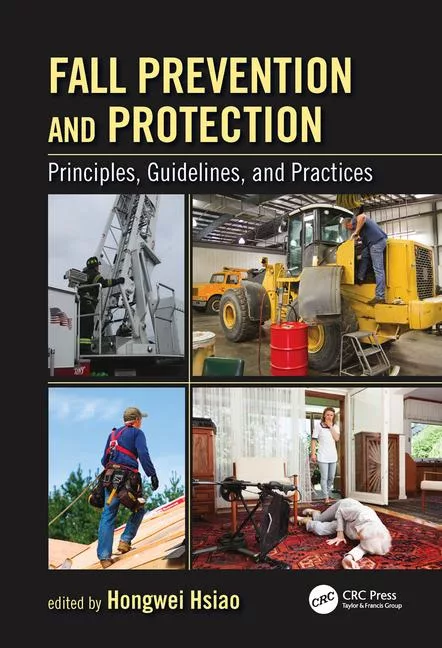
    Fall Prevention and Protection: Principles, Guidelines, and Practices

  • 9781138749573.jpg

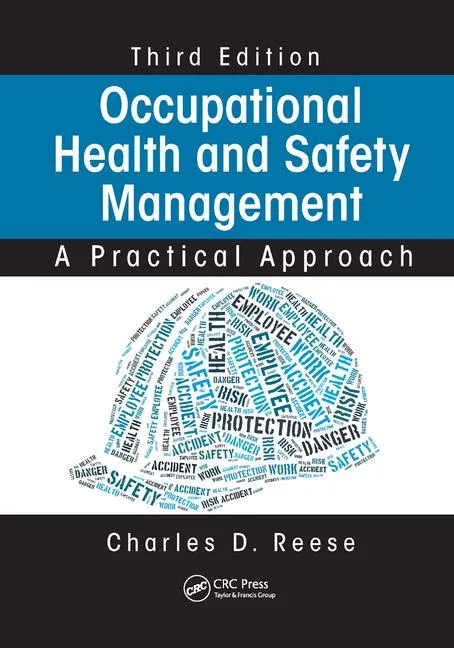
    Occupational Health and Safety Management: A Practical Approach, Third Edition

See More Products
×

Become a Leader in Safety Culture

Build your knowledge with ISHN, covering key safety, health and industrial hygiene news, products, and trends.

JOIN TODAY
  • RESOURCES
    • Advertise
    • Contact Us
    • Directories
    • Manufacturing Division
    • Store
    • Want More
  • SIGN UP TODAY
    • Create Account
    • eMagazine
    • Newsletters
    • Customer Service
    • Manage Preferences
  • SERVICES
    • Marketing Services
    • Reprints
    • Market Research
    • List Rental
    • Survey/Respondent Access
  • STAY CONNECTED
    • LinkedIn
    • Facebook
    • YouTube
    • X (Twitter)
  • PRIVACY
    • PRIVACY POLICY
    • TERMS & CONDITIONS
    • DO NOT SELL MY PERSONAL INFORMATION
    • PRIVACY REQUEST
    • ACCESSIBILITY

Copyright ©2026. All Rights Reserved BNP Media, Inc. and BNP Media II, LLC.

Design, CMS, Hosting & Web Development :: ePublishing