Navigating OSHA Regulations for Dock Safety
Credit: LongHa2006 / Getty Images Plus
Safety managers on docks have specific priorities compared to other working environments. Loading and unloading require heavy machinery and technical prowess. The Occupational Safety and Health Administration (OSHA) has all the recommendations dock staff needs to stay safe and healthy.
Explore how operators and supervisors navigate and implement these requirements.
Hazard Communication (OSHA Standard 1910.1200)
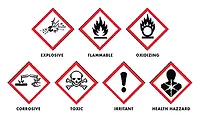
Standard 1910.1200 is critical for all worksites, especially if loaders are handling chemicals or hazardous substances. The rule requires staff to communicate cargo contents with others so they understand the danger they could encounter.
It also requires products to be clearly labeled so there are no misunderstandings. Additionally, everyone must undergo training for hazard communication. This will let everyone know how to use safety data sheets detailing incoming shipments.
Personal Protective Equipment (PPE) (OSHA Standard 1910.132)
Dock workers constantly interact with heavy equipment, wet conditions and the elements. Wearing PPE attempts to prevent injuries and fatalities. If an incident were to occur, PPE should soften the severity. Management teams are responsible for reviewing the jobsites and requiring equipment to protect against a dock’s unique concerns. This should include:
- Hard hats
- Gloves
- Reflective gear
- Safety shoes
- Eye protection
- Respiratory gear
All dock areas should be labeled to show employees what PPE is required to participate in certain activities, including visuals on how to don, doff and fix anything compromised. Training will teach staff how to notice when PPE is starting to degrade, which could lead to safety concerns. For example, if safety shoes are worn and lose tread, this could cause slips and falls in icy conditions.
Lockout/Tagout (LOTO) (OSHA Standard 1910.147)
Every machine, from forklifts to cranes, needs to shut down to execute maintenance and isolate power. There should be no way equipment has access to electricity so it cannot activate during repairs. LOTO protects dock workers from electrical injuries. But it also stops people from being unintentionally impacted by rogue equipment.
This also increases dock workers’ awareness of electrification, primarily when working with non-insulated equipment. For example, many safety guidelines let workers know the minimum safe approach distance for machinery like lifts. They indicate how close something can get to a live wire before becoming electrified.
Powered Industrial Trucks Training (OSHA Standard 1910.178)
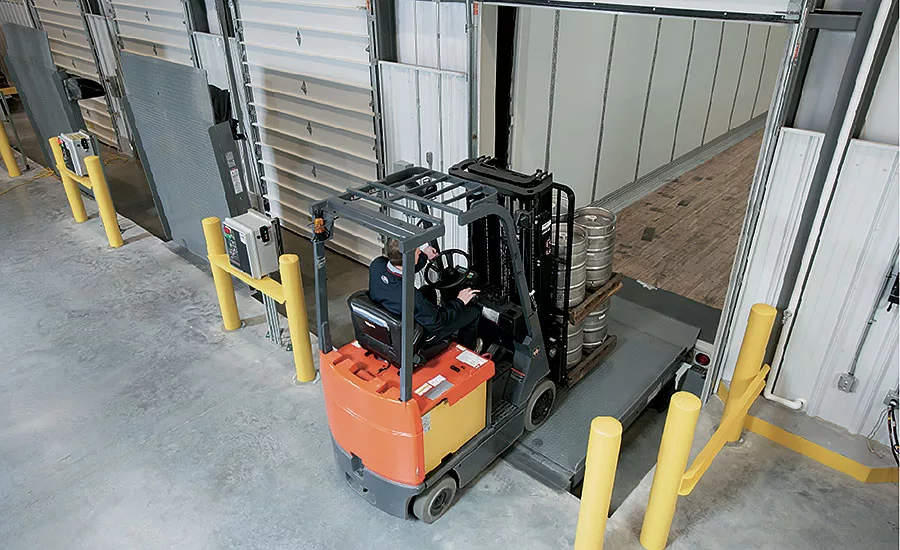
Fork trucks and platform lifts are necessities on the docks, and workers must have sufficient training to operate and monitor them. They should also know how to navigate environments where the trucks will frequent.
For example, many loading zones have curbed ramps to discourage trucks from sliding. Therefore, attempting to perform tasks outside of these ramps could pose risks. Only certified individuals should be using equipment like cranes, and they must receive pre-operation inspections to promise every use will be low risk.
Similarly, operators should work within clearly painted areas, showing pedestrians and drivers safe places to work without collision. It also improves drivers’ visibility so they do not encounter obstacles or exit the vehicle into an unsafe location.
Walking-Working Surfaces (OSHA Standard 1910.22)
Being near the water means surfaces are often at risk of being slippery. High winds could also blow waste from water surfaces onto the docks. As staff go about their days, moisture and trash can move around the worksite and enter offices, walkways and storerooms. This is why OSHA has specific instructions on walking-working surfaces to minimize slips and falls, including:
- Employees should only use dock boards for material handling with motor-powered equipment.
- Guardrail systems must be in required zones to prevent falls of over four feet.
- Service pits must be less than 10 feet deep.
- Floor markings should clarify edges.
- Ladders over 24 feet tall must be fixed with fall arrest systems.
OSHA used to have guidance specifically on how to protect open dock doors with rules on wall openings. However, these rules are outdated, and safety experts should reference other standards where these expectations exist, such as 1910.22.
Rule 1910.29 provides additional information on fall protection systems, including why docks should dismiss chains and their ability to protect workers from falls.
Material Handling (OSHA Standard 1910.176)
Anything could be in the containers dock workers are transporting as they interact with diverse products daily. This is why thorough material handling practices are necessary. Rules cover how mechanical equipment should interact with specific materials and how workspaces can accommodate them. They should be clean and free of volatile substances that could interact with cargo, such as flammables or pests.
Other material-handling securities include safe lifting techniques for heavy objects, like hoists and dollies. This also prevents some of the most common injuries for these workers — musculoskeletal injuries. Regular inspections and maintenance on these machines are also critical for handling materials safely.
Material handling machinery should have various safety features that enable secure operation. For example, dock lifting equipment manufactured post-1996 has pothole protection systems to ensure the safe operation of an electric lift on any uneven ground. Prior to safety mechanisms like these, equipment tended to flip on docks or worksites. Safe handling consequently requires protection systems and updated equipment with the necessary features to adhere to OSHA standards.
Emergency Action Plan (OSHA Standard 1910.38)
Workers must know how to respond if an emergency occurs at work. This is why safety managers create comprehensive emergency action plans. OSHA mandates these plans to be kept in writing in a place where any employee could review them. Emergencies may include the following:
- Fires
- Evacuations
- Chemical spills
- Floods
- Cybersecurity incidents
- Other natural disasters
Staff must know where to go and who to contact if emergency circumstances are suspected or happening. They should know who to request medical aid from, what paths lead to safe spaces and their responsibilities in specific emergencies.
Teams must run drills to prepare dock workers. Otherwise, they risk unfamiliarity with the plan, which adds unnecessary stress when an emergency occurs. Dock workers should only be focused on protecting themselves and others.
Bloodborne Pathogens (OSHA Standard 1910.1030)
Most safety professionals would prioritize OSHA standards like PPE or material handling over bloodborne pathogens, but they are more common than you might think. Consider how frequently workers interact with sharp objects, where metals could introduce bacteria or infectious materials into their bodies. Dangers may also arise when working with biohazards.
Areas with potential contamination should be labeled clearly, and decontamination zones should be available to people who are exposed on the job. Under this Standard 1910.1030, OSHA includes guidance on handwashing stations, vaccines and waste management practices to help dock workers maintain good hygiene.
Keeping Docks Safer for All Workers
Occupational safety professionals may have a long list of rules to follow for maintaining a compliant dock, but it is worth it to safeguard anything that lies in the containers. While OSHA’s recommendations ensure care for materials and equipment, these standards place workers’ safety above all else. If management teams prioritize these guidelines, then the rest will happen naturally.
Looking for a reprint of this article?
From high-res PDFs to custom plaques, order your copy today!