Conquer the Cold: Prevent Winter Weather Visibility and Cold Stress Hazards
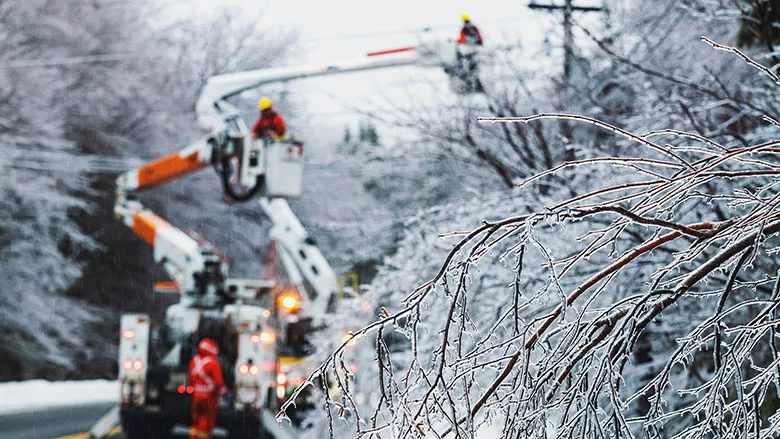
Photo credit: shaunl / E+ / Getty Images Plus
With winter weather comes significant safety risks for outdoor workers. Not only do winter conditions, such as snow and fog, reduce worker visibility, but workers may also be exposed to extreme cold temperatures during winter months. Between 2003 and 2019, the U.S. Bureau of Labor Statistics reported that exposure to extreme cold caused 31 workplace fatalities, averaging about three deaths annually, along with 2,770 cases of severe injuries and illnesses, equating to approximately 163 incidents per year.
Cold stress occurs when the body loses heat faster than it can produce it, leading to a drop in core temperature and potential harm to bodily functions. For outdoor workers, exposure to cold temperatures, wind, and wet conditions can cause serious health issues such as hypothermia, frostbite, trench foot or even death. Cold temperatures have also been shown to exacerbate pre-existing medical conditions such as cardiovascular and respiratory diseases, according to the Environmental Protection Agency (EPA). For instance, the risk of heart attacks may increase as temperatures decrease due to the way cold temperatures influence the circulatory system.
Personal protective equipment (PPE) is essential for safeguarding outdoor workers against extreme cold by providing insulation and protection from freezing conditions, and in many cases, this PPE must also include high-visibility (hi-vis) features to ensure workers remain visible and safe in low-light or hazardous environments. Below are some safety concerns to consider when choosing effective hi-vis PPE to keep outdoor workers both warm and visible.
Insulated Hi-Vis Outerwear
While there is no specific OSHA standard that quantifies the exact level of protection required for cold weather clothing, employers are responsible for ensuring that workers are adequately protected from recognized hazards, including cold stress, under the General Duty Clause of the Occupational Safety and Health Act. The Safety Equipment Association (ISEA) standard ANSI/ISEA 201-2019 American National Standard for Insulation and Wash Durability Classification of Apparel Used in Cold Work Environments further addresses the requirements of occupational apparel items worn in cold environments, including specific criteria for thermal insulation (in units of clo), thermal transport properties, thickness, durability, breathability and worker mobility.
In instances where worker visibility is crucial, hi-vis outerwear must remain visible as the outermost layer of clothing. For example, a reflective vest must not be covered by a jacket or parka, rendering it ineffective. Employers should ensure the outermost layer is ANSI-compliant to maintain visibility, and this may mean providing insulated hi-vis outerwear (such as hi-vis jackets or bibs) to maintain safety compliance while maintaining warmth.
Dirt-Repellent & Water-Resistance
The rain, snow, and slush that is indicative of winter weather can saturate or degrade the effectiveness of hi-vis garments over time, reducing the visibility of fluorescent colors and reflective materials. One way to prolong the effectiveness of a hi-vis garment under these conditions is to select hi-vis garments that are dirt-repellent and water-resistant. These protective features help hi-vis garments maintain their reflective properties and brightness in winter conditions over a longer period of time. However, frequent inspection and/or replacement of worn or compromised reflective clothing is still essential.
Water-resistance is also useful for keeping workers warm in damp conditions. When workers are exposed to rain or snow, moisture can quickly lower body temperature by soaking through clothing and causing heat loss. High-visibility apparel with water-resistant coatings or materials, such as hi-vis duck canvas, prevents water from penetrating the fabric, allowing the body’s natural warmth to be retained. This protective layer not only shields workers from the chilling effects of wet conditions but also ensures that their insulation remains effective. By keeping workers dry, water-resistant reflective clothing enhances comfort and safety, reducing the risk of cold stress and hypothermia in harsh, cold environments.
Breathability & Moisture-Wicking
Breathability and moisture-wicking properties may seem like features for keeping workers cool during hot temperatures, but they are also key in helping workers stay warm in cold temperatures. When sweat and moisture become trapped in non-breathable fabrics during the winter, they create a damp layer against the skin, which quickly cools and pulls heat away from the body. This chilling effect leaves workers feeling colder and uncomfortable, even during physical activity. In contrast, moisture-wicking hi-vis fabrics are designed to draw sweat away from the skin and disperse it across the fabric’s surface, where it can evaporate more efficiently. By keeping the skin dry, wicking fabrics prevent the cooling effect of trapped moisture and help maintain a stable body temperature, ensuring the wearer stays warm and comfortable, even in extremely cold conditions.
Enhanced Visibility & Reflective Accessories
Winter often brings overcast skies and fog, creating low-light and low-contrast conditions that make it harder for workers to stand out, even during the day. Snow and ice can also create glare during daylight hours, as well as hazardous driving conditions, making it harder for drivers or equipment operators to stop quickly if a worker is in their path. Additional enhanced visibility may be needed during winter months to give operators and drivers more time to react, especially in high-risk zones. If worksite conditions include persistent fog, heavy snow, ice or other extreme scenarios, additional reflective accessories, such as hi-vis gloves, fluorescent or reflective helmets, LED lights or head coverings with hi-vis trim may be necessary to enhance worker safety.
Layering Systems
Workers can better adapt to fluctuating cold temperatures by using a layering system instead of relying on a single, bulky jacket. Layering allows for flexibility, as workers can add or remove layers to regulate their body temperature based on activity level and changing weather conditions. A proper systems gear layering system includes a moisture-wicking base layer to keep sweat away from the skin, an insulating middle layer to retain warmth, and a weather-resistant outer layer to protect against wind, rain, or snow. This approach not only provides better comfort and mobility but also prevents overheating during strenuous tasks while ensuring adequate warmth during periods of inactivity or sudden temperature drops. However, each layer should be hi-vis according to ANSI guidelines to ensure compliance regardless of which layer is on top.
Precision Fit & Adjustable Garments
Improperly fitting garments can significantly impact worker safety in extremely cold temperatures by reducing both comfort and functionality. Loose or oversized clothing can create gaps that allow cold air to enter, compromising insulation and leaving the worker exposed to frigid conditions. Excess fabric can also become a hazard by snagging on equipment or machinery, increasing the risk of accidents. On the other hand, garments that are too tight can restrict movement, making it hard for workers to perform tasks efficiently and potentially leading to fatigue or strain. Tight clothing can also compress insulation layers, reducing their effectiveness in trapping body heat. Properly fitting garments are essential for maintaining warmth, ensuring unrestricted mobility, and minimizing safety hazards, allowing workers to perform their jobs safely and comfortably in extreme cold. Look for adjustable fit features, such as drawstrings or adjustable cuff closures to increase the fit precision.
Cold stress and struck by incidents are preventable with proper safety protocol and safety equipment. At the end of the day, all workers deserve to be both warm and safe on the jobsite.
Looking for a reprint of this article?
From high-res PDFs to custom plaques, order your copy today!