Essential Machine Guarding Practices for Worker Protection in Manufacturing
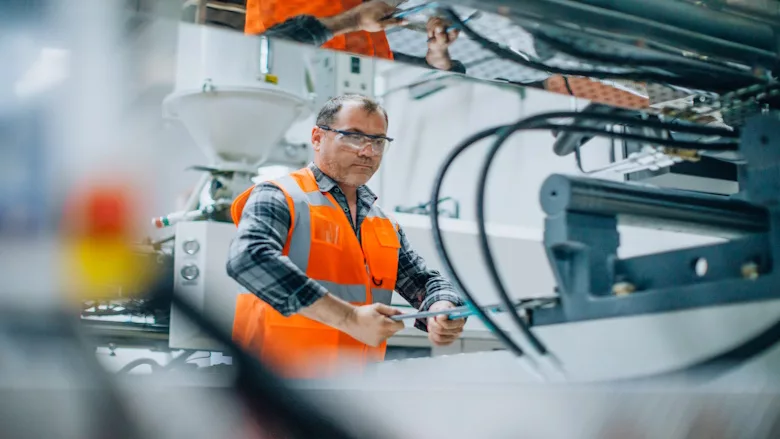
Photo credit: serts / E+ / Getty Images Plus
Danger lurks in manufacturing plants, making worker safety a top priority. Some hazards can severely injure or even take the lives of employees. These include chemical burns, electrical troubles and machines with moving parts that pose occupational risks. Many of these accidents can change people’s lives for the worse and are also costly to the company due to reputational damage and heavy fines from the Occupational Safety and Health Administration (OSHA).
Machine guarding can improve a facility’s safety strategy. Manufacturers and managers focused on creating a safe work environment should install this equipment to protect workers from severe injuries and fatalities.
Why Machine Guarding Is Important
The manufacturing industry reported 326,400 injury cases in 2023, 391 of which were fatal to the employees involved. This highlights the need to protect people in hazardous workplaces.
Machine guards are designed to protect workers from mechanical hazards during regular operation. Protective coverings keep rotating parts, flying debris and sparks at bay, making the workplace safer. The goal is to minimize damage by preventing accidental contact with exposed moving parts and hazardous areas.
However, it’s not just about keeping people safe. Adequately guarded equipment helps manufacturers, too. Manufacturing plants experience at least 25 hours of downtime every month, significantly affecting productivity. Machine guards lead to fewer accidents and less unproductive time. Reducing the risk of incidents leaves the costs of worker compensation claims and legal headaches behind.
Key Machine Guarding Practices for Worker Protection
Here are essential practices for effectively installing machine guards in the workplace.
1. Conduct Thorough Hazard Assessments
Facility management needs to assess the risks before installing machine guards. This entails determining the dangers each piece of equipment poses, such as heat, electrical and mechanical concerns. The evaluation should also consider the worker’s proximity to the machinery to determine the hazards they face when running the equipment.
Factors like speed, the material being processed and any additional dangers resulting from worker interaction with the equipment should be considered throughout the evaluation process. Once hazards have been identified, facility managers can decide which type of machine guarding will be most suitable.
2. Install Proper Safety Guards
Safety guards come in various types and should be selected based on the machine and specific hazards involved. Some of the most common include:
Fixed guards: These are stationary barriers or covers that completely enclose a dangerous area, preventing access to moving parts. For example, a circular saw used in woodworking or metalworking often has a fixed guard around the blade to prevent workers from coming into contact with the cutting edge.
Interlocked guards: These have a mechanism that automatically shuts the machine down when the guard is opened or removed. This prevents workers from accidentally being exposed to moving parts. For instance, press brakes have interlocked shields in metalworking to prevent people from accessing the pinch point area when the equipment is in operation. If the guard is opened, the device stops automatically.
Adjustable guards: These can be adjusted to adapt to different sizes of materials or parts being processed. Sheet metal machines like shears or punch presses may have adjustable guards that can accommodate various sizes of metal sheets, providing coverage around cutting edges or press areas.
Self-adjusting guards: These automatically adjust based on the size of the material being processed. A surface grinder may have a self-adjusting guard that automatically moves with the grinding wheel as it is lowered or raised, ensuring it’s always shielded from the worker, regardless of its position.
3. Use Safety Devices and Automation Technology
Other safety devices supplement the use of physical guards to protect workers further. About 70% to 90% of workplace accidents result from human error, and these devices safeguard employees before problems escalate. Many high-tech automated setups strengthen safety, including:
Presence-sensing devices: These sensors detect when a worker is too close to a machine or its hazardous areas and can trigger an automatic shutdown or alarm to warn of danger. They are invaluable in devices that cut raw materials to size. For example, a presence-sensing device could alert the operator that their hands are too close to the blades.
Emergency stop buttons: These buttons should be easily accessible and visible in areas with high-risk machinery. Workers must know how and when to use them to stop the machine immediately in an emergency. For instance, in a factory with large metal stamping machines, these buttons allow employees to pause the equipment if a hand or other body part is in danger of being caught.
Machine control systems: Automated systems can limit machine operations based on specific conditions, reducing the likelihood of worker injury. These systems can be programmed to halt or slow down the equipment when specific safety conditions are unmet. For instance, a computer numerical control (CNC) machine may be programmed with sensors that slow it down if a protective cover is not correctly in place or if there’s an obstruction in the work area.
4. Provide Proper Training and Education
Even the best machine guards and safety devices can’t replace the importance of worker training. All employees, especially those working directly with the equipment, must receive comprehensive training on machine guarding practices and procedures. Training should cover:
- The types of hazards they may encounter.
- The importance of safety guards and how they work.
- How to properly use safety devices and emergency stop buttons.
- How to recognize signs of wear or malfunction in machine guards.
- The importance of reporting damaged or malfunctioning shields immediately.
Facility managers should ensure that workers know safety protocols and understand how to maintain a safe distance from hazardous machinery. Regular safety drills and refreshers can help keep employees up to date with the latest safety practices and ensure they remain vigilant while working.
5. Maintain Regular Inspections and Audits
Routine inspections ensure that machine guards remain functional and effective over time. Guards can wear down, become misaligned or be obstructed, reducing worker protection. It’s best to follow standards set by the original equipment manufacturer to ensure proper maintenance and prolong life. Establishing a maintenance schedule for inspecting machines, guards and safety devices will help identify potential issues early on.
During these inspections, it’s crucial to check:
- Whether guards are securely in place and undamaged.
- Whether sensors, interlocks and emergency stop buttons are working properly.
- Whether workers have been removing or bypassing guards.
- Whether machines require additional safeguards or updates to meet current safety standards.
Maintaining a log of inspections can help identify patterns of issues with specific machines or types of guards, providing valuable information for addressing recurring problems. Additionally, these logs can be helpful for OSHA compliance and inspections.
6. Ensure Clear Communication and Reporting Systems
Workers must always report when they recognize hazards or issues with installed machine guarding. However, 51% of occupational injuries go unreported. This is because employees might fear retaliation. Unclear procedures and a lack of trust in management also make it challenging to report dangers and accidents.
Facility managers must establish a clear, accessible system so employees can report safety concerns with ease. This system should include:
- A simple way for workers to report problems with machine guards or safety devices.
- A protocol for addressing and resolving reported issues quickly.
- A feedback loop that ensures workers are informed about how their concerns are being addressed.
Clear communication between workers, supervisors and maintenance is necessary so hazards are never overlooked or ignored. Encouraging employees to take an active role in workplace protection can help create a safety culture in the manufacturing environment.
7. Stay Informed About Regulatory Requirements
Regulations like the OSHA Machine Guarding Standard 1910.212 outline the requirements for machine guards, which includes proper installation, maintenance and worker safety procedures. Regularly reviewing these rules and consulting with safety experts or compliance officers can help keep facilities in line with the latest standards.
Prevent Accidents Before They Happen
Proper machine guarding is the crux of protecting workers in the manufacturing industry. The benefits of this measure, along with other safety practices, go beyond just preventing accidents. They also help create a safer and more productive workplace, reduce the risk of legal liabilities and ensure compliance with safety standards. By prioritizing machine guarding and worker safety, manufacturers can protect their most valuable asset — their workforce.
Looking for a reprint of this article?
From high-res PDFs to custom plaques, order your copy today!