White House Decisions Seen Behind Recent Flurry of OSHA Policy and Standards Changes
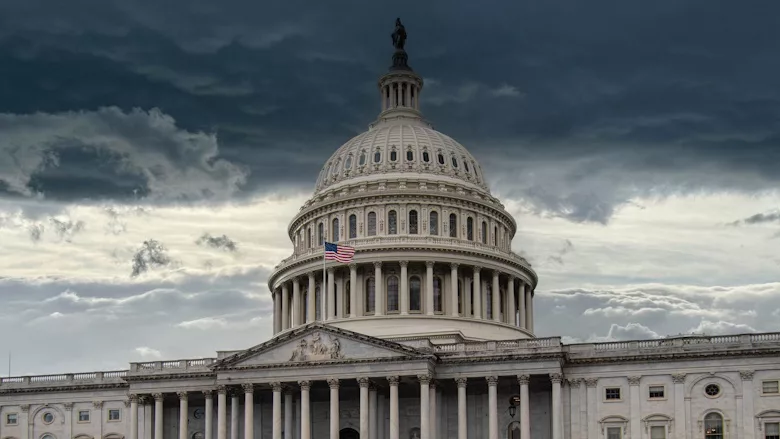
Credit: Douglas Rissing / iStock / Getty Images Plus
On June 30, 2025, 25 separate OSHA standards and policy changes were published in the Federal Register. A source familiar with the action told ISHN this was a highly unusual move (OSHA chief David Keeling has yet to be confirmed) and indicated that OSHA policy decisions are being made in the White House, specifically the Office of Information and Regulatory Affairs (OIRA), which is the government’s central authority to review executive branch regulations. OIRA is a division within the Office of Management and Budget.
Among the moves announced:
- The assistant secretary of labor for OSHA (the OSHA administrator) no longer must consult with the Advisory Committee on Construction Safety and Health (ACCSH) in issuing, modifying or removing standards relating to construction work.
- Substance-specific respirator requirements are proposed to be loosened to allow different types of respirators to be used for the 1,2-Dibromo-3-Chloropropane standard, 3-Butadiene standard, 13 Carcinogen standard, Asbestos standard, Benzene standard, Cadmium standards, Coke Over Emissions standards, Cotton Dust standard, Ethylene Oxide standard, Lead standards, and Methylene Chloride standard.
- OSHA is proposing to remove the agency’s COVID-19 Emergency Temporary Standard and its associated recordkeeping and reporting provisions.
- OSHA is withdrawing the proposal to amend the OSHA 300 Log by adding a column that employers would use to record work-related musculoskeletal disorders. Withdrawal of the proposal does not change any employer’s obligation to complete and retain occupational injury and illness records under OSHA’s regulations.
- OSHA proposes to clarify its interpretation of the General Duty Clause to exclude from enforcement known hazards that are inherent and inseparable from the core nature of a professional activity or performance. This action would prohibit OSHA from issuing citations as it did in the SeaWorld Orlando case when a trainer was injured during a killer whale training exercise; when a Broadway stagehand died in a fall; and when a Circ du Soleil America performer fell during a show.
This proposal could significantly restrict the use of the General Duty clause, depending on the definition — yet to be determined — of hazards inherent and inseparable from the core nature of the job.
Looking for a reprint of this article?
From high-res PDFs to custom plaques, order your copy today!