How Crowded Job Sites Affect Safety in Industrial Work Environments
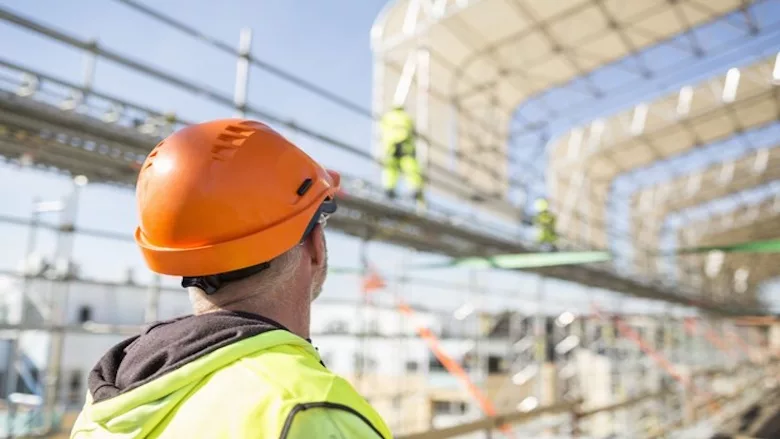
Industrial job sites are inherently hazardous due to the nature of the work, equipment, and materials involved. When these spaces become overcrowded, the risk of accidents and injuries increases. Crowded conditions can interfere with workflow, reduce visibility, obstruct access to emergency exits, and make it harder for employees to operate safely. Maintaining a safe work environment in high-density job sites requires proactive planning, communication, and design considerations.
Increased Risk of Physical Accidents
One of the most immediate effects of crowding is the elevated likelihood of physical accidents. Workers may trip over tools, extension cords, or debris that are harder to see in cramped conditions. Forklifts and other moving machinery require ample space to operate safely. When pathways are restricted, the chance of collision rises.
Falls, which are a leading cause of injury on job sites, also become more likely in tight spaces. Workers may feel pressured to cut corners, use unsafe access points, or bypass fall protection measures to meet productivity demands. The risk of falling tools or materials from scaffolds or platforms also grows when multiple workers are concentrated in small areas.
Obstructed Communication and Visibility
Effective communication is a cornerstone of workplace safety. On crowded job sites, noise levels often increase, which can make verbal warnings or alarms harder to hear. Poor visibility due to tightly packed personnel, machinery, and materials can prevent workers from seeing hazards.
Team coordination becomes more difficult when physical barriers and human congestion interfere with lines of sight. For example, a signal person guiding a crane operator may struggle to communicate effectively if visual contact is blocked by other workers or equipment. This miscommunication can have serious consequences.
Restricted Emergency Access and Egress
Emergency preparedness relies on clear access to exits, emergency equipment, and first aid supplies. In crowded job sites, these critical pathways can become blocked. If a fire or chemical spill occurs, delayed evacuation due to blocked paths can result in injury or worse.
The ability of emergency responders to reach injured workers also suffers in overpopulated spaces. Emergency response time is critical in controlling damage and preventing fatalities, and any obstacle that slows this process can have severe consequences.
Compromised Hygiene and Health Standards
Crowded industrial environments can also impact health beyond the risk of physical injury. Close proximity between workers increases the likelihood of disease transmission, particularly respiratory infections. Shared equipment, tools, or work surfaces can also serve as points of contamination.
Limited space can hinder routine cleaning efforts. In high-heat industries, inadequate airflow caused by overcrowding can lead to heat stress. The compounding factors of poor ventilation and physical strain present serious health hazards in many job site environments.
Impacts on Mental Focus and Fatigue
Overcrowded spaces often increase mental stress among workers. Constant stimulation, noise, and physical proximity can lead to sensory overload. Workers may become less attentive or distracted, raising the chance of errors in judgment or missed safety protocols.
Fatigue caused by stress or physically demanding work in tight conditions also contributes to slower reaction times and reduced decision-making ability. When individuals are mentally and physically drained, the risk of incidents rises. Maintaining a safe working environment requires attention to mental well-being as well as physical safety.
Preventive Measures to Reduce Risk
Addressing the risks of crowded job sites begins with project planning. Site layout should consider space requirements for workers, equipment, storage, and walkways. Job scheduling should stagger work to limit the number of individuals in one area at a time.
Regular safety audits should evaluate whether physical space allows for adequate movement, visibility, and access to emergency equipment. Clear signage, marked walkways, and physical barriers can help organize work zones and reduce accidental interference.
Investing in alternative solutions, such as off-site assembly, can also reduce on-site crowding. For instance, using a prefabricated e-house allows much of the electrical installation to be completed in a controlled environment before being transported to the site. This approach can reduce both labor demands and hazards in high-traffic areas.
Crowded job sites are more than a logistical challenge. They present a serious safety concern that requires strategic intervention. Through better planning, clear communication, and practical design solutions, businesses can reduce these hazards and create safer environments. For more information, look over the accompanying resource.
Looking for a reprint of this article?
From high-res PDFs to custom plaques, order your copy today!