Building Sustainability into Manufacturing Machine Design
Sustainability has become a defining factor in how modern manufacturing approaches equipment design. With rising energy costs, stricter environmental regulations, and growing corporate responsibility, machine builders are under increasing pressure to create systems that reduce waste, conserve resources, and support long-term operational efficiency. For industrial safety and hygiene professionals, this shift in design philosophy carries direct implications for workplace safety, maintenance practices, and compliance.
The Link Between Machine Design and Environmental Impact
Every stage of machine design influences environmental outcomes. Choosing recyclable metals and plastics can reduce the burden on landfills at the end of a machine’s life. Implementing energy-efficient motors and drive systems lowers electricity consumption and reduces the facility’s carbon footprint. Even hydraulic and lubrication systems play a role, since fluid leaks and improper disposal contribute to soil and water contamination.
One key area often overlooked is how machinery integrates into existing facility systems. For example, ventilation and dust extraction systems designed with energy recovery components help reduce emissions while maintaining hygienic standards. Similarly, precision in component alignment reduces friction and heat generation, leading to longer machine life and reduced downtime.
Energy Efficiency as a Core Priority
Energy consumption remains one of the most critical challenges in sustainable manufacturing. Motors, drives, and gear systems typically account for a significant portion of energy use on the production floor. High-efficiency motors combined with variable frequency drives allow machines to adjust power based on demand rather than running at full capacity continuously. This not only lowers electricity use but also reduces mechanical stress, extending equipment life.
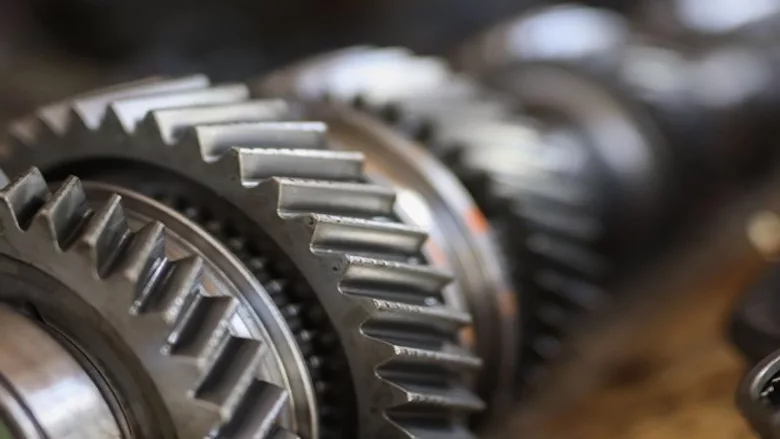
Mechanical components such as gearboxes have also advanced. Modern designs like the servo gearbox provide more precise motion control, improving efficiency and reducing wasted energy. These technologies are particularly relevant in industries where high-speed, accurate movements are essential.
Reducing Waste in Operations
Waste reduction extends beyond energy use. Machines that minimize raw material waste contribute significantly to sustainability goals. Precision cutting, molding, or assembly reduces the need for rework and scrap disposal. In some cases, automated inspection systems can detect product deviations early, preventing entire batches from being discarded.
Filtration systems are another example of design features that contribute to waste reduction. By recycling and reusing coolants, lubricants, and process water, machines can operate with less environmental impact. This approach reduces not only material waste but also the risk of hazardous spills.
Maintenance and Lifecycle Considerations
A sustainable machine is one that maintains performance over its full lifecycle with minimal environmental burden. Design choices that simplify maintenance, such as modular parts and easy access points, enable quicker servicing and reduce the need for resource-intensive repairs. Predictive maintenance technologies are becoming increasingly common, using sensors and data analysis to identify issues before they lead to costly failures.
Durability is another factor. Machines built with higher-quality components may require a greater initial investment, but their extended service life offsets environmental costs associated with frequent replacements. Moreover, designing equipment with recyclability in mind ensures that valuable materials can reenter the supply chain instead of being discarded.
Safety and Hygiene in Sustainable Design
Sustainability efforts cannot overlook worker safety and hygiene. Machines that prioritize clean operation by reducing dust, noise, and hazardous emissions create healthier environments for employees. For example, enclosed drive systems help prevent oil mist exposure, while advanced sealing technologies reduce the risk of cross-contamination in food or pharmaceutical production.
Designs that limit chemical use in cleaning and maintenance also contribute to both sustainability and safety. Machines that incorporate smooth surfaces, fewer crevices, and sanitary-grade materials allow for easier cleaning with less reliance on harsh solvents. This reduces environmental exposure to toxic chemicals while also lowering health risks for workers.
The Regulatory and Market Landscape
Manufacturers face increasing pressure from both regulators and customers to demonstrate measurable sustainability outcomes. In the United States, organizations must align with environmental standards such as the Clean Air Act, Clean Water Act, and Resource Conservation and Recovery Act. Globally, many companies are adopting ISO 14001 certification to formalize their environmental management systems.
For industrial safety and hygiene professionals, this shift reinforces the importance of equipment evaluation during procurement and maintenance planning. Machines that conserve resources while safeguarding employees will define the next generation of responsible, sustainable manufacturing. For more information, look over the accompanying infographic.
Looking for a reprint of this article?
From high-res PDFs to custom plaques, order your copy today!