Give Yourself a Hand
Navigating the complex world of safety glove specifying
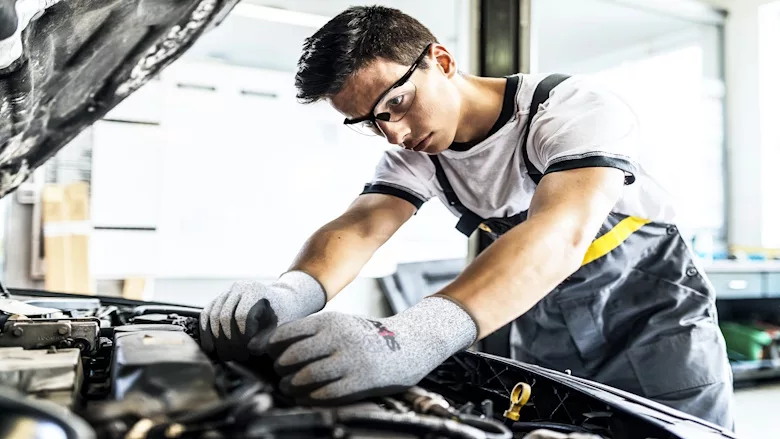
Hand protection is a crucial part of personal protective equipment (PPE) for a wide variety of jobs—from healthcare to construction to manufacturing and everything in between. There’s no single glove that can protect against all risks while also meeting the varied dexterity, fit, and grip requirements that different tasks demand. That’s why choosing the right glove for the application is so important.
It’s about more than just basic protection—it’s essential to injury prevention and long-term worker health. Failing to properly match the glove, the job, and the wearer can have serious consequences.
Getting the Right Glove
Proper glove specification takes more effort than simply ordering a few boxes of the same glove for everyone. It requires an understanding of protection needs across a range of hazards—cut resistance, grip, thermal insulation, puncture protection, and dexterity—and matching those features to each role’s demands. Additional considerations such as extended cuffs, arm guards, or fingerless designs may also be necessary.
Ill-fitting gloves—whether too tight, too loose, or too bulky—can actually contribute to musculoskeletal disorders. Loose gloves may cause workers to grip harder to compensate, increasing strain. Overly tight cuffs can put pressure on the wrists and contribute to conditions like carpal tunnel syndrome. Gloves that are too thick or heavy can also reduce dexterity and impede performance.
Some workers may attempt to layer gloves—for example, wearing a cut-resistant liner beneath a slip-resistant leather glove. This practice, known as “over-gloving,” is well-intentioned but can backfire, often leading to overexertion and reduced control. Workers end up fighting the PPE just to get the job done.
When Specifying Goes Wrong
OSHA incident reports related to improper—or absent—hand protection are alarming.
- In a plastic-trimming operation, a worker who found his gloves “uncomfortable” removed them, cut through the tendons in his hand, and then attempted to cover it up by slashing the glove and smearing it with blood.
- A factory worker using a belt sander was wearing a basic string-knit glove with no grip enhancement. He suffered severe abrasions when his hand slipped.
- An auto plant worker suffered a deep forearm laceration when a blade slipped during the trimming of excess plastic. While he was wearing gloves, they lacked slip resistance, and he had no arm protection—resulting in a radial artery injury.
- Another worker operating a dual-belt sander suffered a serious thumb injury when his glove—again, a basic string-knit type—was pulled into the machine. It lacked both grip and abrasion resistance, critical features for handling fast-moving machinery.
These are real occupational injuries. Thousands more like them occur each year. Most—if not all—could have been prevented with properly specified gloves.
Finding the Right Partner
The key to preventing injuries like these is specifying the correct glove on an application-by-application basis. That means understanding glove performance characteristics and balancing them against safety, ergonomics, and cost.
Most plant managers and even internal safety teams face challenges going it alone. Working with the right partner can improve safety and potentially reduce costs—if the partner brings practical experience and a wide enough product mix to avoid "square peg in a round hole" recommendations.
Experience matters. Specifying cut-resistant gloves for a knife-handler trimming plastic is different from recommending gloves for a butcher. Likewise, while general-purpose gloves for an assembler may work for an automotive line inspector, the inspector may need added features like light-colored gloves to help spot dirt or debris on finished products.
A glove supplier who acts as a true partner can help reduce incidents and control costs. Safety isn’t about having more gloves—it’s about having the right gloves.
The Bottom Line
Smart, informed glove selection protects your team and supports their work. The right gloves—tailored to each task and work environment—can reduce injuries, boost productivity, and ensure compliance without compromising comfort or performance. A knowledgeable supply partner can guide you through the process—from initial assessment to final glove selection.
Looking for a reprint of this article?
From high-res PDFs to custom plaques, order your copy today!