ISHN logo
search
cart
facebook twitter linkedin youtube
  • Sign In
  • Create Account
  • Sign Out
  • My Account
ISHN logo
  • NEWS
    • Today's News
    • Global Safety News
    • Government Regulations
  • PRODUCTS
    • Product Innovations
    • Featured Products
  • TOPICS
    • Environmental Health and Safety
    • Facility Safety
    • Workplace Health
    • Occupational Safety
    • PPE
    • More Topics
  • CONSTRUCTION
  • TECHNOLOGY
  • COLUMNS
    • Best Practices
    • Dave Johnson: What’s going on
    • Editorial Comments
    • Leading Safety
  • MULTIMEDIA
    • ISHN Podcast
    • Videos
    • Cold Stress Education Quiz
    • Webinars
    • White Papers
  • MORE
    • Buyer's Guide
    • Newsletters
    • Convention Companion
    • Polls
    • Events
    • ISHN Store
    • Sponsor Insights
  • EMAGAZINE
    • eMagazine
    • Archived Issues
    • Contact
    • Advertise
  • JOIN TODAY!
Occupational SafetyWorkplace Training Strategies Construction Industry Safety and Health

How to Conduct a Harness Safety Drill

A systematic inspection detects, prevents equipment failures
By Rick Pedley
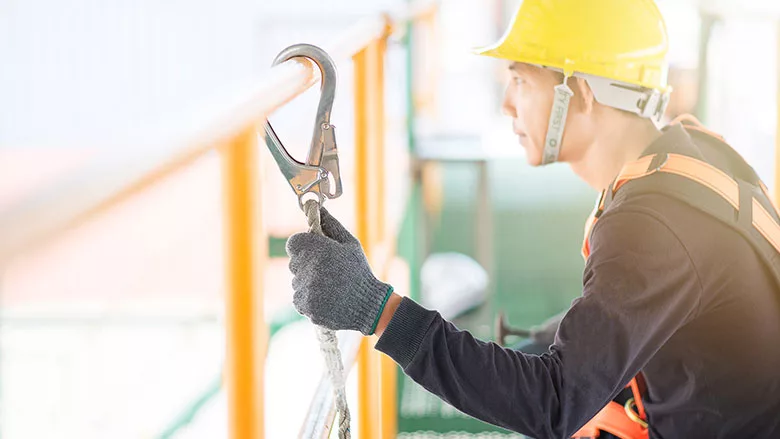
fall safety harness
Photo: impossiAble / iStock / Getty Images Plus
October 14, 2025

It’s a beautiful day, the plans are set, and the work is waiting—sixty feet up. While working at heights presents inherent risks, the more insidious danger can often lie in assuming the equipment we entrust our lives to is as ready for the day as we are.

Most harness failures start small. A loose thread here, a buckle that doesn’t quite lock there. Left unchecked, these tiny issues can turn an otherwise routine workday into a life-altering, potentially fatal event. That’s why OSHA requires fall protection equipment to be inspected before each use. The good news? A systematic, hands-on inspection only takes a few minutes to reveal most potential safety issues before anyone leaves the ground. 

Below, we walk you through the essentials of inspecting fall safety harnesses to help ensure you and your team go home safely at the end of the day. 


Create the Right Environment for Inspection

Before you begin, set yourself up for success. Don't rush an inspection in a poorly lit corner of a truck bed or a noisy gang box area. Take the harness to a well-lit space where you can lay it out flat without distractions. Remove your work gloves so you can properly feel for subtle damages like stiff fibers, burrs on metal, or pulled stitches. Inspecting fall safety harnesses isn’t just about looking for damage; it’s a tactile investigation and you need your fingertips to catch what your eyes might miss. 

Dedicating a specific time and place for this critical ritual reinforces its importance and helps ensure nothing gets overlooked.


Check the Labels and Tags

Think of labels as the harness’s passport. They prove where it came from, when it was made, and whether it meets safety standards. If the label is missing, unreadable, or tampered with, the harness is automatically out of service. No exceptions. 

Labels are typically sewn into the back or shoulder straps, near the dorsal D-ring or chest area. You should be able to clearly read the manufacturer’s name, the date of manufacture, the model or part number, and the markings indicating it meets ANSI/ASSE Z359 standards.


Check the Impact Indicator

Modern full-body harnesses are required to have a built-in fall or impact indicator. These indicators are typically folded and stitched sections of webbing (often located near the dorsal D-ring) that are designed to tear or deploy, providing a clear visual signal that the harness has been subjected to the force of a fall.

If the indicator shows signs of deployment (frayed stitching, torn webbing, or a visible “activated” marker), the harness has already done its job and must be retired immediately. 


Inspect the Webbing and Stitching 

Hold the harness by the back D-ring, letting it hang freely to get a clear, untangled view. Pinch the webbing between your thumb and forefinger, bending it in a "U" shape to reveal any fine cuts, broken fibers, or frayed edges. Look for:

  • Burns: Hard, shiny spots from weld spatter or friction.
  • Chemical Damage: Stiff, brittle, or discolored patches, or strong chemical smells. 
  • UV Degradation: Fading colors and brittle fibers from sun exposure.

Pay special attention to high-wear zones where buckles or D-rings rub. A harness that looks fine overall can still be compromised at these stress points. 


Test the Hardware

Every piece of hardware, including D-rings, buckles, grommets, adjusters, strap keepers, and other critical connection points is a potential weak link. Check: 

  • D-Rings: No cracks, pits, or sharp edges. Should pivot freely. 
  • Buckles: Must connect securely and release only when intended. On straps with tongue buckles, check whether any of the grommet holes are stretched or elongated
  • Adjusters: Should grip webbing tightly under force.

Tug hard on every connection. If it slips or feels loose, it’s best to set the safety harness aside. 


Out of Service Means Out of Reach: End-of-Life Protocols for Fall Safety Harnesses

A questionable harness is a dangerous harness. OSHA and ANSI standards are clear: if a harness shows signs of wear that could affect performance, it must be removed from service immediately. If you find any questionable damage during inspection, follow the rule of thumb: when in doubt, throw it out. Don’t stash compromised gear in a corner or leave it hanging on a rack — if it’s out of service, it needs to be out of reach. To prevent accidental reuse, they should be rendered unusable: cut the straps on harnesses, remove or destroy the hooks on lanyards, and clearly tag them as “Do Not Use.”

If you have any questions or concerns, your safety equipment suppliers are valuable sources of information. The most trustworthy providers don’t just sell gear — they stand behind it, vet it thoroughly, and help you make informed decisions that keep your crew safe.

See more articles from our October 2025 issue!

KEYWORDS: Fall Protection safety harnesses working at heights

Share This Story

Looking for a reprint of this article?
From high-res PDFs to custom plaques, order your copy today!

Rick Pedley, PK Safety’s President and CEO, joined the family business in 1979. PK Safety, a supplier of occupational safety and personal protective equipment, has been operating since 1947 and takes OSHA, ANSI, PPE and CSA work safety equipment seriously. Visit pksafety.com.

Recommended Content

JOIN TODAY
to unlock your recommendations.

Already have an account? Sign In

  • forklift safety

    Exploring the latest technologies in forklift safety

    With more staff and more stock in warehousing now more...
    Facility Safety
    By: Josh Cramer
  • welding

    All about welder’s flash or arc eye

    A flash burn is a painful inflammation of the cornea,...
    Environmental Health and Safety
  • dangerous jobs

    The 10 most dangerous jobs in the U.S.

    On-the-job deaths have been rising — hitting the highest...
    Government Safety Regulations
    By: Benita Mehta
Manage My Account
  • eMagazine Subscriptions
  • ISHN Newsletter & Other Newsletter Alerts
  • Online Registration
  • Manage My Preferences
  • Subscription Customer Service

More Videos

Sponsored Content

Sponsored Content is a special paid section where industry companies provide high quality, objective, non-commercial content around topics of interest to the ISHN audience. All Sponsored Content is supplied by the advertising company and any opinions expressed in this article are those of the author and not necessarily reflect the views of ISHN or its parent company, BNP Media. Interested in participating in our Sponsored Content section? Contact your local rep!

close
  • man wearing the the Sundström SR200 Full Face Mask Respirator
    Sponsored byOHD

    5 Fit Testing Mistakes That Could Cost You

  • This image shows Magid AcuSpex polarized blue mirrored safety glasses.
    Sponsored byMagid Glove and Safety

    Construction PPE Guide: What Crews Need for Each Task

  • lone worker in confined space
    Sponsored byAlphasense Ltd.

    GET THE LEAD OUT of your Safety Oxygen Sensors!

Popular Stories

SpaceX 7 launch

OSHA Investigating Fatal Fall at SpaceX Starbase

Worker Impairment

How to Tell When a Co-Worker is Impaired? A Safety Pro’s Challenge

Automated loading dock equipment

After March 2026 Rivian Death, Safety Managers Reassess Loading Dock Systems Under OSHA's Warehouse Emphasis Program

top 10 most dangerous jobs

Poll

Seasonal Readiness

With the federal heat stress prevention rule on the horizon, which area of your safety program needs the most attention?
View Results Poll Archive

Products

Surviving an OSHA Audit A Management Guide, 2nd Edition

Surviving an OSHA Audit A Management Guide, 2nd Edition

See More Products

ISHN Podcasts

Related Articles

  • How to conduct a signage audit

    See More
  • lead risk assessment

    The vital need to conduct a lead risk assessment now

    See More
  • 0521-SaeftyTalkColumn-webimage.jpg

    Preparing for OSHA: How to conduct internal inspections and audits

    See More

Related Products

See More Products
  • Top Ten Pitfalls in OSHA Recordkeeping and How to Avoid Them

See More Products
×

Become a Leader in Safety Culture

Build your knowledge with ISHN, covering key safety, health and industrial hygiene news, products, and trends.

JOIN TODAY
  • RESOURCES
    • Advertise
    • Contact Us
    • Directories
    • Manufacturing Division
    • Store
    • Want More
  • SIGN UP TODAY
    • Create Account
    • eMagazine
    • Newsletters
    • Customer Service
    • Manage Preferences
  • SERVICES
    • Marketing Services
    • Reprints
    • Market Research
    • List Rental
    • Survey/Respondent Access
  • STAY CONNECTED
    • LinkedIn
    • Facebook
    • YouTube
    • X (Twitter)
  • PRIVACY
    • PRIVACY POLICY
    • TERMS & CONDITIONS
    • DO NOT SELL MY PERSONAL INFORMATION
    • PRIVACY REQUEST
    • ACCESSIBILITY

Copyright ©2026. All Rights Reserved BNP Media, Inc. and BNP Media II, LLC.

Design, CMS, Hosting & Web Development :: ePublishing