The Human-Robot Interface: Preventing Collisions and Injuries in Automated Warehouses
gorodenkoff / iStock / Getty Images Plus
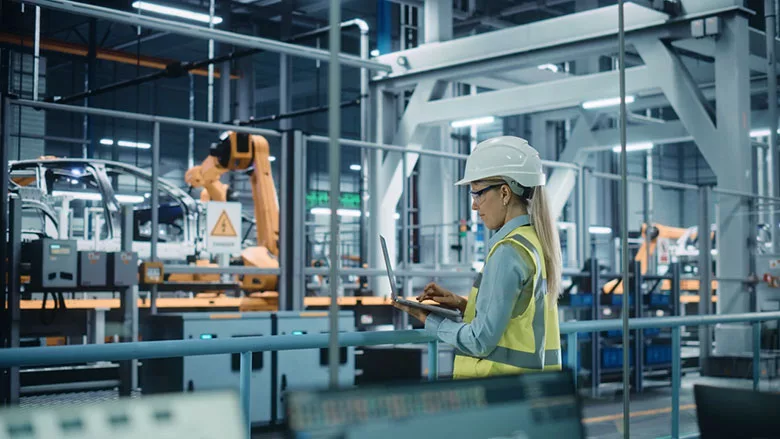
Facility managers must facilitate better human-robot working relationships, and the best way to reinforce this culture is by enhancing safety. Staff must feel secure around cobots and other mechanical aids, especially when they have been linked to some incidents. How can automation-focused manufacturers redesign their operations to optimize robotic efficiency while prioritizing safety?
The Reality of Robot-Based Injuries
Incident frequency is not as common as other notable safety threats, such as falls from heights. However, robots still present some threats to workers. Data from the U.S. Bureau of Labor Statistics supports this, highlighting trends in the most recurring types of robot-related reports. Over 26 years, robots were attributed to 41 fatalities, with a majority happening in the Midwest U.S. A total of 83% of the equipment was stationary, with a strike being 78% of the cause of death.
The number of nonfatal injuries is also a concern. Syntheses from Occupational Safety and Health Administration (OSHA) reports identified 77 incidents caused by robots between 2015 and 2022, which included amputations and fractures. Most occurred in extremities, though the head and torso were other frequent points.
Ultimately, self-operating equipment will pose dangers to workers. In comparison to other workplace hazards, they are minimal. Regardless, it is essential to lower these instances as close to zero as possible if companies want to promote a positive reputation for robotic adoption.
The Industry’s Leading Safety Recommendations
The most effective ways to reduce incident frequency in manufacturing environments include employing these strategies.
Reference Existing Compliance Frameworks
Regulatory agencies have been updating their recommendations as robots become more integral to facilities. Experts, such as OSHA, have established rules to reduce risk. OSHA 1910 Subparts J and O provide guidance on proper lockout/tagout protocols and equipment-handling measures to enhance security.
Additionally, the International Organization for Standardization (ISO) and the American National Standards Institute (ANSI) have standards 10218-2 and B56.5, respectively. They consider more modern applications for autonomous mobile robotics and their unique risk profiles.
Reinforce Physical Fixtures for Collision Avoidance
Soft skills, such as digital literacy, will help workers reduce injuries. However, organizations must also install and maintain additional physical barriers, such as steel guardrail systems and alert systems, to prevent accidents.
These fencing systems encourage safety compliance while reducing workers’ compensation claims. If sensors can trigger automated protection responses, such as emergency stops when an individual’s extremities enter an unsafe zone, then some of the most common problems become avoidable. Other less-acknowledged physical signals include clear markings and signage near robots to serve as constant reminders of safety expectations for workers.
Improve Severe Injury Reports (SIRs)
SIRs are the best data points organizations have to inform safety plans for the future. The best ways to increase the value are:
- Encouraging workers to be prompt in issuing them.
- Suggesting what information to include to make them more detailed.
- Gathering witness statements.
However, the most effective way to enhance SIR quality is reassurance. Some workers may lie or hide details about an incident in fear of repercussions. Management teams are responsible for incentivizing honesty, as it helps the entire facility become safer alongside their robot co-workers.
Train Staff to Have a Backup
Buddy systems are an underrated safety strategy. People working alone may forget a safety protocol, but enforcing a collaborative approach to maintenance and operations could increase accountability. This is particularly important for onboarding workers or those undergoing continuing education to refine their skills. Having a more experienced mentor alongside them can positively reinforce procedures and robotic interactivity.
Schedule Safety Audits
Management teams will determine if mentoring and safety training programs are worthwhile if they yield results. However, they are only able to verify the effectiveness of the facility’s safety culture if they must make time to observe the floor firsthand to conduct risk assessments. New robotic threats may have emerged due to poor habit formation among new hires or inadequate maintenance procedures on recent installations.
Numerous influences can upset a previously stable environment. Regular inspections create a proactive approach to safety prevention, discovering emerging robotic threats before they exacerbate beyond control or lead to more SIRs.
Rethink a Robot’s Programming
Complementing the workforce with robots should increase efficiency, but only if the staff can come to work regularly without injury and maintain their morale. Management teams may be tempted to make robots move faster or exert more force to boost productivity, but slowing them down could increase efficiency in other ways. It will make staff feel safer and calmer around equipment, potentially improving their decision-making and discouraging absenteeism. Additionally, fixing vulnerabilities will also strengthen engineering practices, making robots less prone to causing accidents.
Automating Safety
Protecting human workers in robot-dominated spaces requires a constant, intentional effort. However, it is possible to automate some protective measures as robotics automates production by promoting a safety-first culture. If the workforce is more inclined to adhere to compliance, report with transparency and learn how to use new equipment properly, then incidents will decrease.
Looking for a reprint of this article?
From high-res PDFs to custom plaques, order your copy today!