ISHN logo
search
cart
facebook twitter linkedin youtube
  • Sign In
  • Create Account
  • Sign Out
  • My Account
ISHN logo
  • NEWS
    • Today's News
    • Global Safety News
    • Government Regulations
  • PRODUCTS
    • Product Innovations
    • Featured Products
  • TOPICS
    • Environmental Health and Safety
    • Facility Safety
    • Workplace Health
    • Occupational Safety
    • PPE
    • More Topics
  • CONSTRUCTION
  • TECHNOLOGY
  • COLUMNS
    • Best Practices
    • Dave Johnson: What’s going on
    • Editorial Comments
    • Leading Safety
  • MULTIMEDIA
    • ISHN Podcast
    • Videos
    • Cold Stress Education Quiz
    • Webinars
    • White Papers
  • MORE
    • Buyer's Guide
    • Newsletters
    • Convention Companion
    • Polls
    • Events
    • ISHN Store
    • Sponsor Insights
  • EMAGAZINE
    • eMagazine
    • Archived Issues
    • Contact
    • Advertise
  • JOIN TODAY!
Occupational SafetyEnvironmental Health and SafetyGlobal Safety NewsPsychology in the Workplace

Psychosocial Hazards Linked to More Than 800,000 Worker Deaths Annually

By Dave Johnson
mental health

Photo credit: Jacob Wackerhausen / iStock / Getty Images Plus

May 21, 2026

On-the-job psychosocial risk factors may contribute to more than 800,000 worker deaths globally each year due to cardiovascular disease and mental health disorders, according to recent research from the International Labor Organization.

The report, The psychosocial working environment: Global developments and pathways for action, analyzed the harm that can be caused by poor work design; poorly organized and managed work; and inadequate policies, practices and procedures for employee health and safety.

Psychosocial hazards tied to these inefficiencies include:

  • Job strain
  • An imbalance between effort and reward
  • Job insecurity
  • Long working hours
  • Bullying and harassment

 “Pressures at work”

Adverse health conditions tied to these hazards were responsible for more than 840,000 worker deaths annually, according to the report.

 “This is because of pressures at work,” said Manal Azzi, team lead on OSH policy and systems at ILO.

Long working hours, associated with increased risk of cardiovascular disease and stroke, are a significant psychosocial risk. More than one in three workers (35%) work more than 48 hours a week, according to the ILO. The reports states 23% of employees have experienced at least one form of violence in their working life, often harassment and bullying. Almost one in five employees (18%) have experienced psychological violence.

More than one-third of employers, (37%) have “concrete plans” to improve collecting statistics on psychosocial risks and mental health at work in the next five year, according to the report.

There are no regulations in the U.S. on psychosocial risk and prevention. The report calls for occupational safety and health policies and laws to specifically address preventing psychosocial risks, rather than focusing on outcomes such as mental health at work.

Risk evaluation

The report states that effective implementation of psychosocial risk preventions requires a combination of enforcement, practical guidance, tools and capacity building, particularly for small and medium-sized enterprises, and clearer communication and stronger institutional coordination.

Researchers said assessing risks and preventing them from growing is the “central objective” for employers. They suggest prioritizing organizational interventions such as workload management and, when necessary, using “immediate intervention” for cases of harassment and violence.

“Although not all psychosocial hazards can be fully eliminated, the associated risks can often be reduced by improving work design, organization and management,” the report states. “This includes reviewing workload, task allocation, supervision and other elements of the working environment, while strengthening workers’ capacity to recognize and respond to risks.”

Psychosocial hazards are not always directly observable, the report states. It recommends assessments should draw on multiple sources of evidence, such as organizational data, human resources records and worker surveys.

Risk evaluation should consider the duration, frequency and cumulative nature of exposure, as many psychosocial risks develop gradually.

To better understand psychosocial risks, the report proposes three interrelated levels of focus in the working environment:

  1. First, the nature of the job itself, including demands, responsibilities, alignment with workers’ skills, access to resources, and the design of tasks in terms of meaning, variety, and skill use. 
  2. Second, how work is organized and managed, covering role clarity, expectations, autonomy, workload, work pace, and supervision and support.
  3. Third, the broader workplace policies, practices and procedures that govern work. These include employment and working time arrangements, the management of organizational change, digital monitoring, performance and reward processes, OSH policy and management systems, procedures to prevent violence and harassment at work, and mechanisms for worker consultation and participation. 

The report emphasizes that psychosocial risks arise from these elements and can be prevented through organizational approaches that address their root causes.

“Improving the psychosocial working environment is essential not only for protecting workers’ mental and physical health, but also for strengthening productivity, organizational performance and sustainable economic development,” said Azzi.

KEYWORDS: Psychological Health wellbeing

Share This Story

Looking for a reprint of this article?
From high-res PDFs to custom plaques, order your copy today!

Djohnson new pic 7.10.22

Dave Johnson was chief editor of ISHN from 1980 until early 2020. He uses his decades of expertise to write on hot topics and current events in the world of safety. He also writes and edits at Dave Johnson’s Writing Shop LLC and is editor-at-large for ISHN. Find him at https://www.facebook.com/Dave-Johnsons-Writing-Shop-101316571547263/, and on LinkedIn at https://www.linkedin.com/in/daveljohnsoneditor/.

Recommended Content

JOIN TODAY
to unlock your recommendations.

Already have an account? Sign In

  • forklift safety

    Exploring the latest technologies in forklift safety

    With more staff and more stock in warehousing now more...
    Workplace Training Strategies
    By: Josh Cramer
  • welding

    All about welder’s flash or arc eye

    A flash burn is a painful inflammation of the cornea,...
    Environmental Health and Safety
  • dangerous jobs

    The 10 most dangerous jobs in the U.S.

    On-the-job deaths have been rising — hitting the highest...
    Occupational Safety
    By: Benita Mehta
Manage My Account
  • eMagazine Subscriptions
  • ISHN Newsletter & Other Newsletter Alerts
  • Online Registration
  • Manage My Preferences
  • Subscription Customer Service

More Videos

Sponsored Content

Sponsored Content is a special paid section where industry companies provide high quality, objective, non-commercial content around topics of interest to the ISHN audience. All Sponsored Content is supplied by the advertising company and any opinions expressed in this article are those of the author and not necessarily reflect the views of ISHN or its parent company, BNP Media. Interested in participating in our Sponsored Content section? Contact your local rep!

close
  • man wearing the the Sundström SR200 Full Face Mask Respirator
    Sponsored byOHD

    5 Fit Testing Mistakes That Could Cost You

  • This image shows Magid AcuSpex polarized blue mirrored safety glasses.
    Sponsored byMagid Glove and Safety

    Construction PPE Guide: What Crews Need for Each Task

  • lone worker in confined space
    Sponsored byAlphasense Ltd.

    GET THE LEAD OUT of your Safety Oxygen Sensors!

Popular Stories

SpaceX 7 launch

OSHA Investigating Fatal Fall at SpaceX Starbase

Automated loading dock equipment

After March 2026 Rivian Death, Safety Managers Reassess Loading Dock Systems Under OSHA's Warehouse Emphasis Program

psychology in the workplace

Most Workplaces Measure Psychological Safety, Ignoring Psychosocial Risks

top 10 most dangerous jobs

Poll

Seasonal Readiness

With the federal heat stress prevention rule on the horizon, which area of your safety program needs the most attention?
View Results Poll Archive

Products

Surviving an OSHA Audit A Management Guide, 2nd Edition

Surviving an OSHA Audit A Management Guide, 2nd Edition

See More Products

ISHN Podcasts

Related Articles

  • Job-related traffic crashes cause more than 2,500 deaths annually

    See More
  • Costs to treat heart failure expected to more than double by 2030

    See More
  • OSHA orders Utah Transit Authority to pay more than $130,000 to former worker in whistleblower case (8/27)

    See More

Related Products

See More Products
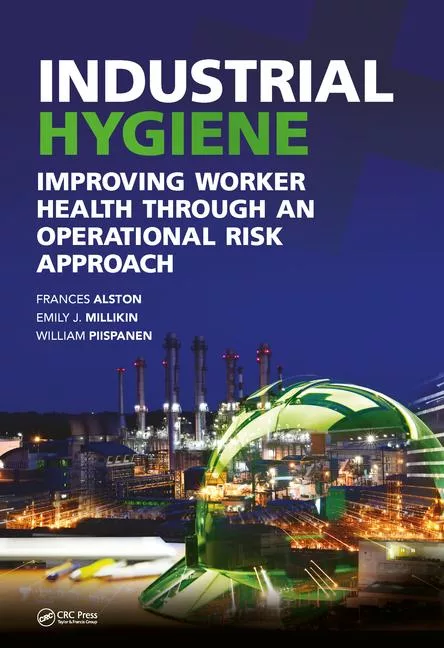
  • industrial hy.jpg

    Industrial Hygiene: Improving Worker Health through an Operational Risk Approach

See More Products

Related Directories

  • e-Hazard

    E-Hazard is dedicated to building an electrical safety culture with you. Our electrical engineering services and training will prepare your team for any electrical safety needs or concerns. E-Hazard can help with electrical training, arc flash studies, electrical audits, electrical safety programs, LOTO, infrared scanning, NFPA 70B, consulting and much more.
  • Industrial Scientific Corp.

    As the global leader in gas detection, Industrial Scientific provides gas detection products and services that keep workers safe in hazardous environments. The company's more than 1,200 employees in 25 countries are committed to preserving human life, and have dedicated their careers to eliminating death on the job by the year 2050.
  • SafetyLine Lone Worker

    SafetyLine Lone Worker helps companies monitor the status of workers who are remote, alone, or working in hazardous situations. We are an automated check-in monitoring and emergency notification service. SafetyLine uses its communications infrastructure to ensure that workers have comprehensive monitoring, 24/7, without the need for costly monitoring centers.
×

Become a Leader in Safety Culture

Build your knowledge with ISHN, covering key safety, health and industrial hygiene news, products, and trends.

JOIN TODAY
  • RESOURCES
    • Advertise
    • Contact Us
    • Directories
    • Manufacturing Division
    • Store
    • Want More
  • SIGN UP TODAY
    • Create Account
    • eMagazine
    • Newsletters
    • Customer Service
    • Manage Preferences
  • SERVICES
    • Marketing Services
    • Reprints
    • Market Research
    • List Rental
    • Survey/Respondent Access
  • STAY CONNECTED
    • LinkedIn
    • Facebook
    • YouTube
    • X (Twitter)
  • PRIVACY
    • PRIVACY POLICY
    • TERMS & CONDITIONS
    • DO NOT SELL MY PERSONAL INFORMATION
    • PRIVACY REQUEST
    • ACCESSIBILITY

Copyright ©2026. All Rights Reserved BNP Media, Inc. and BNP Media II, LLC.

Design, CMS, Hosting & Web Development :: ePublishing