ISHN logo
search
cart
facebook twitter linkedin youtube
  • Sign In
  • Create Account
  • Sign Out
  • My Account
ISHN logo
  • NEWS
    • Today's News
    • Global Safety News
    • Government Regulations
  • PRODUCTS
    • Product Innovations
    • Featured Products
  • TOPICS
    • Environmental Health and Safety
    • Facility Safety
    • Workplace Health
    • Occupational Safety
    • PPE
    • More Topics
  • CONSTRUCTION
  • TECHNOLOGY
  • COLUMNS
    • Best Practices
    • Dave Johnson: What’s going on
    • Editorial Comments
    • Leading Safety
  • MULTIMEDIA
    • ISHN Podcast
    • Videos
    • Cold Stress Education Quiz
    • Webinars
    • White Papers
  • MORE
    • Buyer's Guide
    • Newsletters
    • Convention Companion
    • Polls
    • Events
    • ISHN Store
    • Sponsor Insights
  • EMAGAZINE
    • eMagazine
    • Archived Issues
    • Contact
    • Advertise
  • JOIN TODAY!
Today's Safety NewsEnvironmental Health and Safety

Chemical Safety Board Urges Chemical Companies to Prepare for Hurricane Season
UL
June 4, 2026

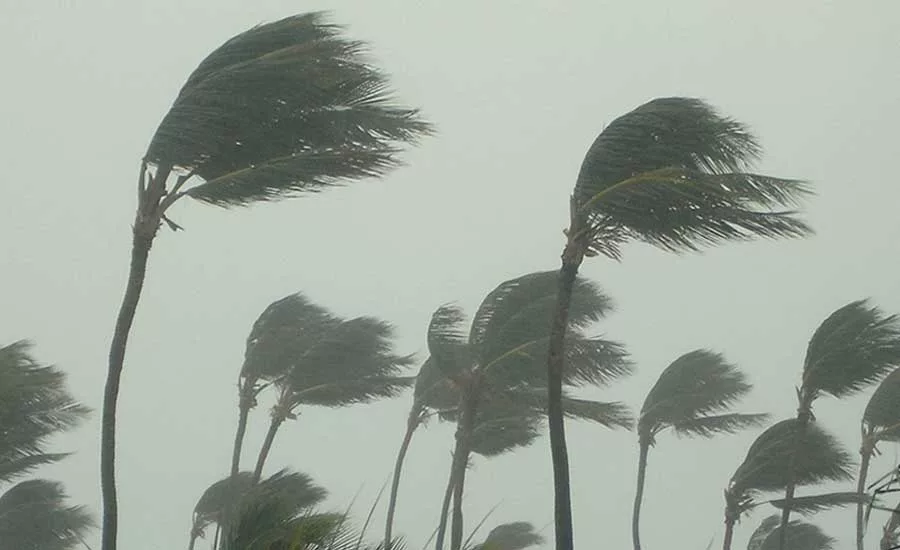
With the Atlantic Hurricane season officially underway, the U.S. Chemical Safety and Hazard Investigation Board (CSB) is urging chemical facilities to prepare now to prevent major chemical releases that could result from high winds and other extreme weather events during the season. The season began June 1, and ends November 30.

Although the National Oceanic Atmospheric Administration (NOAA) has predicted a below- normal hurricane this season, the threat posed by severe storms still exists. Adequate preparations by chemical facilities is critical to ensure the safety of workers, emergency responders, and surrounding communities.

“Although the prediction is for a below-normal hurricane season, it only takes one bad storm hitting one unprepared facility to lead to a catastrophic chemical incident,” said CSB Chairperson Steve Owens.

The CSB has investigated serious chemical incidents caused by ineffective planning prior to hurricanes and other extreme weather events. The findings from two past incidents in particular highlight significant vulnerabilities at facilities during a hurricane:

  • In August 2017, Hurricane Harvey severely damaged Arkema’s chemical facility in Crosby, Texas, leading to the decomposition of organic peroxides and a major fire after backup power failed and refrigeration systems flooded. Massive fumes and smoke were released during the incident.  All of Arkema’s employees were evacuated from the facility, as were more than 200 residents living nearby who could not return home for a week. Twenty-one people sought medical attention from reported exposures to the fumes and smoke.
  • In August 2020, Hurricane Laura severely damaged the Bio-Lab Lake Charles  facility in Westlake, Louisiana. On the day of the incident, over 1 million pounds of trichloroisocyanuric acid (TCCA), a highly reactive chemical, were on-site at the facility.  The Category 4 hurricane’s strong winds damaged buildings at the facility, including tearing off roofs.  Rainwater from the storm contacted the TCCA stored inside the buildings, initiating a chemical reaction, that -- compounded by failed generators and fire suppression systems -- initiated a fire and released a large plume of hazardous gases, including toxic chlorine, from the facility.  A portion of nearby Interstate 10 was closed for over 28 hours, and local officials issued a shelter-in-place order for the surrounding community. Bio-Lab subsequently spent $250 million rebuilding the facility.

 Key materials prepared by the CSB that address hurricane preparation include:

  • Extreme Weather, Extreme Consequences: CSB Investigation of the Arkema Crosby Facility and Hurricane Harvey
  • Arkema, Inc. Final Investigation Report
  • Bio-Lake Charles Final Investigation Report
  • Fire from the Storm: Chemical Release at Bio-Lab – Safety Video
  • Caught in the Storm: Extreme Weather Hazards – Safety Video

In addition to these resources, the Center for Chemical for Chemical Process Safety (CCPS) has also published a document titled CCPS Monograph: Assessment of and Planning for Natural Hazards. This document provides a practical planning and readiness tool for companies to follow to prepare for severe weather such as hurricanes.

The CSB urges facilities to review these resources and implement applicable recommendations and key lessons to prevent recurrence or limit the impact of chemical releases caused by hurricanes. Top priorities for limiting the impact of severe weather continue to be:

  • Securing Hazardous Materials,
  • Ensuring Backup Power for Critical Safety Systems,
  • Training Personnel on Emergency Protocols, and
  • Coordinating with Local Emergency Management Authorities

“Preparation is key to minimizing the effects of extreme weather on chemical facilities. Facilities must not let their guard down against these hazards, or the consequences may be dire,” said CSB Board Member Sylvia Johnson.

The CSB will provide additional information as it becomes available. Updates on the investigation will be posted at the agency’s website: www.csb.gov

KEYWORDS: chemicals weather hazards

Share This Story

Looking for a reprint of this article?
From high-res PDFs to custom plaques, order your copy today!

Recommended Content

JOIN TODAY
to unlock your recommendations.

Already have an account? Sign In

  • forklift safety

    Exploring the latest technologies in forklift safety

    With more staff and more stock in warehousing now more...
    Facility Safety
    By: Josh Cramer
  • welding

    All about welder’s flash or arc eye

    A flash burn is a painful inflammation of the cornea,...
    Environmental Health and Safety
  • dangerous jobs

    The 10 most dangerous jobs in the U.S.

    On-the-job deaths have been rising — hitting the highest...
    Government Safety Regulations
    By: Benita Mehta
Manage My Account
  • eMagazine Subscriptions
  • ISHN Newsletter & Other Newsletter Alerts
  • Online Registration
  • Manage My Preferences
  • Subscription Customer Service

More Videos

Sponsored Content

Sponsored Content is a special paid section where industry companies provide high quality, objective, non-commercial content around topics of interest to the ISHN audience. All Sponsored Content is supplied by the advertising company and any opinions expressed in this article are those of the author and not necessarily reflect the views of ISHN or its parent company, BNP Media. Interested in participating in our Sponsored Content section? Contact your local rep!

close
  • man wearing the the Sundström SR200 Full Face Mask Respirator
    Sponsored byOHD

    5 Fit Testing Mistakes That Could Cost You

  • This image shows Magid AcuSpex polarized blue mirrored safety glasses.
    Sponsored byMagid Glove and Safety

    Construction PPE Guide: What Crews Need for Each Task

  • lone worker in confined space
    Sponsored byAlphasense Ltd.

    GET THE LEAD OUT of your Safety Oxygen Sensors!

Popular Stories

SpaceX 7 launch

OSHA Investigating Fatal Fall at SpaceX Starbase

dust explosion

Tennessee OSHA Issues Record $3.1M Fine After Deadly Explosion at Munitions Plant

Worker Impairment

How to Tell When a Co-Worker is Impaired? A Safety Pro’s Challenge

top 10 most dangerous jobs

Poll

Seasonal Readiness

With the federal heat stress prevention rule on the horizon, which area of your safety program needs the most attention?
View Results Poll Archive

Products

Surviving an OSHA Audit A Management Guide, 2nd Edition

Surviving an OSHA Audit A Management Guide, 2nd Edition

See More Products

ISHN Podcasts

Related Articles

  • Prepare now for hurricane season, says ASSE (6/7)

    See More
  • Chemical Safety Board urges new codes for gas purging following fatal explosion at Slim Jims plant (2/5)

    See More
  • Chemical Safety Board urges adoption of ASME Pressure Vessel Code (11/13)

    See More

Related Directories

  • EcoOnline

    EcoOnline provides transformative software to protect both people and the planet. Offering a comprehensive and configurable suite of software solutions, with expertise in Chemical Safety, Sustainability Reporting, and all aspects of EHS including Learning and Training. With over 25 years of experience in 90 industries, EcoOnline is trusted by more than 600,000 people and 10,000 brands worldwide, with expertise spanning from Chemical Safety, Sustainability Reporting, and EHS including Learning and Training through a configurable suite of solutions.
×

Become a Leader in Safety Culture

Build your knowledge with ISHN, covering key safety, health and industrial hygiene news, products, and trends.

JOIN TODAY
  • RESOURCES
    • Advertise
    • Contact Us
    • Directories
    • Manufacturing Division
    • Store
    • Want More
  • SIGN UP TODAY
    • Create Account
    • eMagazine
    • Newsletters
    • Customer Service
    • Manage Preferences
  • SERVICES
    • Marketing Services
    • Reprints
    • Market Research
    • List Rental
    • Survey/Respondent Access
  • STAY CONNECTED
    • LinkedIn
    • Facebook
    • YouTube
    • X (Twitter)
  • PRIVACY
    • PRIVACY POLICY
    • TERMS & CONDITIONS
    • DO NOT SELL MY PERSONAL INFORMATION
    • PRIVACY REQUEST
    • ACCESSIBILITY

Copyright ©2026. All Rights Reserved BNP Media, Inc. and BNP Media II, LLC.

Design, CMS, Hosting & Web Development :: ePublishing