New Regulatory Agenda Updates OSHA Standards Action
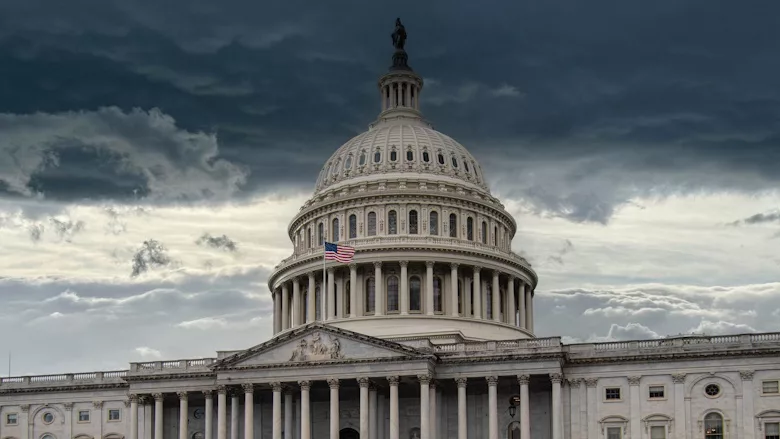
Credit: Douglas Rissing / iStock / Getty Images Plus
The White House Office of Management and Budget (OMB) issued its latest Regulatory Agenda on July 3rd, with updates on numerous OSHA regulatory issues.
Topping the list is the much-discussed national heat standard proposal. The Biden administration issued the proposed standard in 2024. OSHA held hearings on the proposal in June 2025 and extended the post-hearing comment period twice, to October 30, 2025.
The current Regulatory Agenda announces plans for a supplemental notice of proposed rulemaking on heat injury and illness prevention both outdoors and indoors to be issued by December, 2026. Final action is scheduled for 2027.
“This indicates that OSHA may be heading back to the drawing board, probably to issue a very different — and weaker version of the Biden proposal,” according to the Confined Space newsletter authored by Jordan Barab, OSHA deputy assistant secretary from 2009-2017.
To date, California, Colorado, Maryland, Minnesota, Nevada, Oregon and Washington have issued heat protection rules. OSHA currently relies on the general duty clause to protect workers from heat hazards. OSHA’s national emphasis program on heat hazards prioritizes inspections in 55 high-risk industries in indoor and outdoor work settings.
“There are two directions the Trump administration can go: either issue a weak standard or no standard at all,” writes Barab. “Many in corporate America… fear that if OSHA doesn’t issue a weak performance standard (similar to Nevada’s heat standard), the next Democratic administration will issue a strong specification standard, similar to the Biden proposal. They think it’s better to pre-empt a strong (Democrat) standard with a weak (Republican) standard.”
“Given that no final decision has been made on which direction to go, the time required to write a Supplemental Proposal and get OMB approval, then publish and solicit comments on that proposal, consider the comments, make decisions on the final regulatory text, write the final standard, and then get final OMB approval, it is highly unlikely that we will see any heat standard during the final 2-plus years of this administration,” according to Barab’s Confined Space assessment.
Regarding other OSHA regulatory actions:
- Workplace Violence and Process Safety Management modernization continue to be distant prospects on the “Long Term” agenda.
- Communication Tower Safety, Shipyard Fall Protection and an update of OSHA’s Powered Industrial Trucks standard are also long-term projects.
- The Tree Care standard is to be issued as a proposal in October. “The tree care industry has lobbied heavily for a standard (mainly to stop landscapers and other amateurs from doing tree care),” writes Barab.
- A final Emergency Response standard is scheduled for next April. The standard had come under attack for including volunteer fire departments, and Barab believes volunteers will be dropped from the final standard.
- A proposal to update to OSHA’s Lockout Tagout standard to allow computerized lockout for modern equipment instead of physical padlocks is set to be issued in November.
- On August 19, OSHA will open a series of informal public hearings to consider changes in a number of chemical standards; weakening medical evaluation requirements for filtering facepiece and loose-fitting powered air-purifying respirators; changing color codes to warn of hazards in textile mills, sawmills and shipyards; and modifying the Walking-Working Surfaces standard, according to the Confined Space report.
Aside from the proposal to drop medical monitoring requirements for certain types of respirators, most of these proposals will have only a minor impact, writes Barab.
Looking for a reprint of this article?
From high-res PDFs to custom plaques, order your copy today!


