ISHN logo
search
cart
facebook twitter linkedin youtube
  • Sign In
  • Create Account
  • Sign Out
  • My Account
ISHN logo
  • NEWS
    • Today's News
    • Global Safety News
    • Government Regulations
  • PRODUCTS
    • Product Innovations
    • Featured Products
  • TOPICS
    • Environmental Health and Safety
    • Facility Safety
    • Workplace Health
    • Occupational Safety
    • PPE
    • More Topics
  • CONSTRUCTION
  • TECHNOLOGY
  • COLUMNS
    • Best Practices
    • Dave Johnson: What’s going on
    • Editorial Comments
    • Leading Safety
  • MULTIMEDIA
    • ISHN Podcast
    • Videos
    • Cold Stress Education Quiz
    • Webinars
    • White Papers
  • MORE
    • Buyer's Guide
    • Newsletters
    • Convention Companion
    • Polls
    • Events
    • ISHN Store
    • Sponsor Insights
  • EMAGAZINE
    • eMagazine
    • Archived Issues
    • Contact
    • Advertise
  • JOIN TODAY!
Today's Safety News

High risk jobs need highly interactive safety training, acc to study (1/27)

January 27, 2011


Interactive safety training programs may be more expensive, but when the jobs in question are especially dangerous, they are far more effective than other forms of training, according to a study published in this month’s Journal of Applied Psychology, which is published by the American Psychological Association.

Researchers analyzed nearly four decades of research and concluded that at jobs where the likelihood of death or injury was highest, interactive types of safety training (i.e., behavioral modeling, simulation, hands-on training) was considerably more effective than less engaging training (i.e., lectures, films, reading materials and videos) for teaching about safety on the job.

“The primary psychological mechanism we can offer as an explanation for these results is something called the ‘dread factor,’” said the study’s lead author, Michael Burke, PhD, of Tulane University. “In a more interactive training environment, the trainees are faced more acutely with the possible dangers of their job and they are, in turn, more motivated to learn about such dangers and how to avoid them.”

For example, when hazardous events and exposures are extreme (e.g., fires, explosions, exposure to toxic chemicals or radiation), the action, dialogue and considerable reflection that takes place in more interactive training would be expected to create a sense of dread and realization of the dangers of the job.

This analysis offers practical implications for employers who may be hesitant to invest in the more expensive interactive training programs.

“Distance learning and electronic learning may appear to be more cost effective,” said Burke. “But our findings point to the value of investing in more hands-on training to help prevent the enormous financial and human costs associated with disasters like the Upper Big Branch mine explosion.”

For less risky jobs, less engaging (and less expensive) training was found to be just as effective in preparing workers to avoid occupational accidents.

Researchers analyzed results from 113 safety training studies conducted since the passage of the Occupational Safety and Health Administration Act in 1971. The analysis included a total sample of 24,694 workers in 16 countries. The researchers used the Bureau of Labor Statistics’ Occupational Injury and Illness Classification System to sort hazards into hierarchical categories that reflected the increasing potential for severe illness, injury or death. The hazards ranged from simple falls to fires, explosions and physical assaults. The article, "The Dread Factor: How Hazards and Safety Training Influence Learning and Performance,” by Michael J. Burke, PhD, Tulane University; Rommel O. Salvador, PhD, University of Washington Tacoma; Kristin Smith-Crowe, PhD, University of Utah; Suzanne Chan-Serafin, PhD, University of New South Wales; Alexis Smith, PhD, and Shirley Sonesh, Tulane University appeared in the Journal of Applied Psychology, Vol. 96, No.1.

Share This Story

Looking for a reprint of this article?
From high-res PDFs to custom plaques, order your copy today!

Recommended Content

JOIN TODAY
to unlock your recommendations.

Already have an account? Sign In

  • forklift safety

    Exploring the latest technologies in forklift safety

    With more staff and more stock in warehousing now more...
    Facility Safety
    By: Josh Cramer
  • welding

    All about welder’s flash or arc eye

    A flash burn is a painful inflammation of the cornea,...
    Environmental Health and Safety
  • dangerous jobs

    The 10 most dangerous jobs in the U.S.

    On-the-job deaths have been rising — hitting the highest...
    Construction Industry Safety and Health
    By: Benita Mehta
Manage My Account
  • eMagazine Subscriptions
  • ISHN Newsletter & Other Newsletter Alerts
  • Online Registration
  • Manage My Preferences
  • Subscription Customer Service

More Videos

Sponsored Content

Sponsored Content is a special paid section where industry companies provide high quality, objective, non-commercial content around topics of interest to the ISHN audience. All Sponsored Content is supplied by the advertising company and any opinions expressed in this article are those of the author and not necessarily reflect the views of ISHN or its parent company, BNP Media. Interested in participating in our Sponsored Content section? Contact your local rep!

close
  • man wearing the the Sundström SR200 Full Face Mask Respirator
    Sponsored byOHD

    5 Fit Testing Mistakes That Could Cost You

  • This image shows Magid AcuSpex polarized blue mirrored safety glasses.
    Sponsored byMagid Glove and Safety

    Construction PPE Guide: What Crews Need for Each Task

  • lone worker in confined space
    Sponsored byAlphasense Ltd.

    GET THE LEAD OUT of your Safety Oxygen Sensors!

Popular Stories

SpaceX 7 launch

OSHA Investigating Fatal Fall at SpaceX Starbase

Automated loading dock equipment

After March 2026 Rivian Death, Safety Managers Reassess Loading Dock Systems Under OSHA's Warehouse Emphasis Program

psychology in the workplace

Most Workplaces Measure Psychological Safety, Ignoring Psychosocial Risks

top 10 most dangerous jobs

Poll

Seasonal Readiness

With the federal heat stress prevention rule on the horizon, which area of your safety program needs the most attention?
View Results Poll Archive

Products

Surviving an OSHA Audit A Management Guide, 2nd Edition

Surviving an OSHA Audit A Management Guide, 2nd Edition

See More Products

ISHN Podcasts

Related Articles

  • Short video makes bystanders more likely to perform CPR, acc to study (3/9)

    See More
  • AIHA letter to President Obama: Jobs growth must include more health and safety professionals (1/27)

    See More
  • Chemical Safety Board chairman: Florida public employees need state OSHA protection (1/27)

    See More

Related Products

See More Products
  • 1118911040.jpg

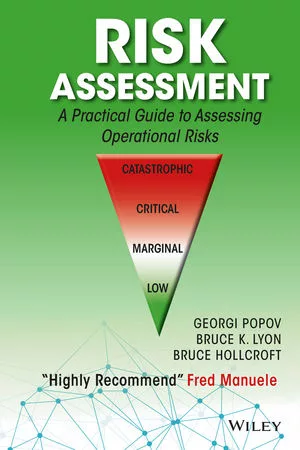
    Risk Assessment: A Practical Guide to Assessing Operational Risks

  • 3E

    Safety Professional's Reference and Study Guide, Third Edition

See More Products
×

Become a Leader in Safety Culture

Build your knowledge with ISHN, covering key safety, health and industrial hygiene news, products, and trends.

JOIN TODAY
  • RESOURCES
    • Advertise
    • Contact Us
    • Directories
    • Manufacturing Division
    • Store
    • Want More
  • SIGN UP TODAY
    • Create Account
    • eMagazine
    • Newsletters
    • Customer Service
    • Manage Preferences
  • SERVICES
    • Marketing Services
    • Reprints
    • Market Research
    • List Rental
    • Survey/Respondent Access
  • STAY CONNECTED
    • LinkedIn
    • Facebook
    • YouTube
    • X (Twitter)
  • PRIVACY
    • PRIVACY POLICY
    • TERMS & CONDITIONS
    • DO NOT SELL MY PERSONAL INFORMATION
    • PRIVACY REQUEST
    • ACCESSIBILITY

Copyright ©2026. All Rights Reserved BNP Media, Inc. and BNP Media II, LLC.

Design, CMS, Hosting & Web Development :: ePublishing