ISHN logo
search
cart
facebook twitter linkedin youtube
  • Sign In
  • Create Account
  • Sign Out
  • My Account
ISHN logo
  • NEWS
    • Today's News
    • Global Safety News
    • Government Regulations
  • PRODUCTS
    • Product Innovations
    • Featured Products
  • TOPICS
    • Environmental Health and Safety
    • Facility Safety
    • Workplace Health
    • Occupational Safety
    • PPE
    • More Topics
  • CONSTRUCTION
  • TECHNOLOGY
  • COLUMNS
    • Best Practices
    • Dave Johnson: What’s going on
    • Editorial Comments
    • Leading Safety
  • MULTIMEDIA
    • ISHN Podcast
    • Videos
    • Cold Stress Education Quiz
    • Webinars
    • White Papers
  • MORE
    • Buyer's Guide
    • Newsletters
    • Convention Companion
    • Polls
    • Events
    • ISHN Store
    • Sponsor Insights
  • EMAGAZINE
    • eMagazine
    • Archived Issues
    • Contact
    • Advertise
  • JOIN TODAY!
Today's Safety NewsWorkplace Health

Study: Fuits and veggies lower stroke risk in women
December 2, 2011

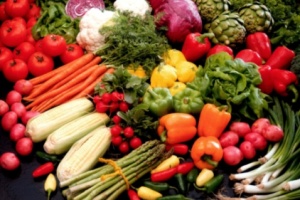
fresh produceWomen who eat lots of vegetables, fruits and grains have fewer strokes, regardless of whether they have a previous history of cardiovascular disease, in a study reported in Stroke: Journal of the American Heart Association.
 
“Eating antioxidant-rich foods may reduce your risk of stroke by inhibiting oxidative stress and inflammation,” said Susanne Rautiainen, M.Sc., the study’s first author and Ph.D. student at the Karolinska Institutet in Sweden. “This means people should eat more foods such as fruits and vegetables that contribute to total antioxidant capacity.”
 
Oxidative stress is an imbalance between the production of cell-damaging free radicals and the body’s ability to neutralize them. It leads to inflammation, blood vessel damage and stiffening.
 
Antioxidants such as vitamins C and E, carotenoids and flavonoids can inhibit oxidative stress and inflammation by scavenging the free radicals. Antioxidants, especially flavonoids, may also help improve endothelial function and reduce blood clotting, blood pressure and inflammation.
 
“In this study, we took into account all the antioxidants present in the diet, including thousands of compounds, in doses obtained from a usual diet,” Rautiainen said.
 
Researchers collected dietary data through a food-frequency questionnaire. They used a standard database to determine participants’ total antioxidant capacity (TAC), which measures the free radical reducing capacity of all antioxidants in the diet and considers synergistic effects between substances.
 
Researchers categorized the women according to their TAC levels — five groups without a history of cardiovascular disease and four with previous cardiovascular disease.
 
For women with no history of cardiovascular disease who had the highest TAC, fruits and vegetables contributed about 50 percent of TAC.
 
Other contributors were whole grains (18 percent), tea (16 percent) and chocolate (5 percent).

The study found:
•Higher TAC was related to lower stroke rates in women without cardiovascular disease.
•Women without cardiovascular disease with the highest levels of dietary TAC had a statistically significant 17 percent lower risk of total stroke compared to those in the lowest quintile.
•Women with history of cardiovascular disease in the highest three quartiles of dietary TAC had a statistically significant 46 percent to 57 percent lower risk of hemorrhagic stroke compared with those in the lowest quartile.
“Women with a high antioxidant intake may be more health conscious and have the sort of healthy behaviors that may have influenced our results,” Rautiainen said. “However, the observed inverse association between dietary TAC and stroke persisted after adjustments for potential confounders related to healthy behavior such as smoking, physical activity and education.”
 
For the study, researchers used the Swedish Mammography Cohort to identify 31,035 heart disease-free women and 5,680 women with a history of heart disease in two counties. The women were 49-83 years old.
 
Researchers tracked the cardiovascular disease-free women an average 11.5 years and the women with cardiovascular disease 9.6 years, from September 1997 through the date of first stroke, death or Dec. 31, 2009, whichever came first.
 
Researchers identified 1,322 strokes among cardiovascular disease-free women and 1,007 strokes among women with a history of cardiovascular disease from the Swedish Hospital Discharge Registry.
 
“To the best of our knowledge, no study has assessed the relation between dietary TAC and stroke risk in participants with a previous history of cardiovascular disease,” Rautiainen said. “Further studies are needed to assess the link between dietary TAC and stroke risk in men and in people in other countries, but we think our results are applicable.”
 
Co-authors are Susanna Larsson, Ph.D.; Jarmo Virtamo, M.D.; and Alicja Wolk, Dr.Med.Sci. Authors’ disclosures are on the manuscript.
The Swedish Research Council for Infrastructure and the Swedish Council for Working Life and Social Research funded the study.
 

KEYWORDS: illness nutrition stroke

Share This Story

Looking for a reprint of this article?
From high-res PDFs to custom plaques, order your copy today!

Recommended Content

JOIN TODAY
to unlock your recommendations.

Already have an account? Sign In

  • forklift safety

    Exploring the latest technologies in forklift safety

    With more staff and more stock in warehousing now more...
    Facility Safety
    By: Josh Cramer
  • welding

    All about welder’s flash or arc eye

    A flash burn is a painful inflammation of the cornea,...
    Environmental Health and Safety
  • dangerous jobs

    The 10 most dangerous jobs in the U.S.

    On-the-job deaths have been rising — hitting the highest...
    Transportation Safety
    By: Benita Mehta
Manage My Account
  • eMagazine Subscriptions
  • ISHN Newsletter & Other Newsletter Alerts
  • Online Registration
  • Manage My Preferences
  • Subscription Customer Service

More Videos

Sponsored Content

Sponsored Content is a special paid section where industry companies provide high quality, objective, non-commercial content around topics of interest to the ISHN audience. All Sponsored Content is supplied by the advertising company and any opinions expressed in this article are those of the author and not necessarily reflect the views of ISHN or its parent company, BNP Media. Interested in participating in our Sponsored Content section? Contact your local rep!

close
  • man wearing the the Sundström SR200 Full Face Mask Respirator
    Sponsored byOHD

    5 Fit Testing Mistakes That Could Cost You

  • This image shows Magid AcuSpex polarized blue mirrored safety glasses.
    Sponsored byMagid Glove and Safety

    Construction PPE Guide: What Crews Need for Each Task

  • lone worker in confined space
    Sponsored byAlphasense Ltd.

    GET THE LEAD OUT of your Safety Oxygen Sensors!

Popular Stories

SpaceX 7 launch

OSHA Investigating Fatal Fall at SpaceX Starbase

dust explosion

Tennessee OSHA Issues Record $3.1M Fine After Deadly Explosion at Munitions Plant

roofing dangerous jobs Getty.jpg

OSHA Finds Florida Roofing Company Willfully Exposed Workers to Safety Hazards After Worker’s Fatal Fall

top 10 most dangerous jobs

Poll

Seasonal Readiness

With the federal heat stress prevention rule on the horizon, which area of your safety program needs the most attention?
View Results Poll Archive

Products

Surviving an OSHA Audit A Management Guide, 2nd Edition

Surviving an OSHA Audit A Management Guide, 2nd Edition

See More Products

ISHN Podcasts

Related Articles

  • Potassium-rich foods cut stroke risk in older women

    See More
  • Optimists have lower stroke risk (7/25)

    See More
  • produce

    Mediterranean-style diet may lower women’s stroke risk

    See More

Related Products

See More Products
  • 3E

    Safety Professional's Reference and Study Guide, Third Edition

  • industrial hy.jpg

    Industrial Hygiene: Improving Worker Health through an Operational Risk Approach

  • 1118911040.jpg

    Risk Assessment: A Practical Guide to Assessing Operational Risks

See More Products

Related Directories

  • Alliance of Women’s Safety Apparel Manufacturers (AWSAM)

    The Alliance of Women's Safety Apparel Manufacturers is a collection of specialty manufacturers and distributors committed to providing properly designed and fitted PPE for women. Our foundational pillars are Awareness, Access and Advocacy. Our non-profit organization has 12 Founding Members and aligns the needs of women in the workforce and the companies they work for with specialty manufacturers dedicated to providing appropriate PPE for women. The Founding Members of the organization have made great strides in removing barriers to access that have existed for many years and kept women from being equally protected. Together, we create a platform that increases awareness of products made for women, encourages equal access to appropriately fitting PPE, and advocates for the safety of women in the workforce. In the spirit of co-opetition, we collaborate to envision what is next for women in industry as we work side by side to accomplish our mission, increase our impact, and share the journey with everyone seeking to elevate diversity and equality in their workplace.
×

Become a Leader in Safety Culture

Build your knowledge with ISHN, covering key safety, health and industrial hygiene news, products, and trends.

JOIN TODAY
  • RESOURCES
    • Advertise
    • Contact Us
    • Directories
    • Manufacturing Division
    • Store
    • Want More
  • SIGN UP TODAY
    • Create Account
    • eMagazine
    • Newsletters
    • Customer Service
    • Manage Preferences
  • SERVICES
    • Marketing Services
    • Reprints
    • Market Research
    • List Rental
    • Survey/Respondent Access
  • STAY CONNECTED
    • LinkedIn
    • Facebook
    • YouTube
    • X (Twitter)
  • PRIVACY
    • PRIVACY POLICY
    • TERMS & CONDITIONS
    • DO NOT SELL MY PERSONAL INFORMATION
    • PRIVACY REQUEST
    • ACCESSIBILITY

Copyright ©2026. All Rights Reserved BNP Media, Inc. and BNP Media II, LLC.

Design, CMS, Hosting & Web Development :: ePublishing