Diabetes prevention programs worth the cost, study finds
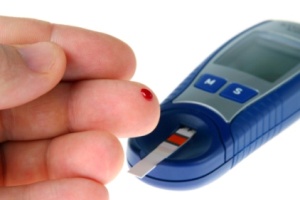 Programs to prevent or delay type 2 diabetes in high-risk adults would result in fewer people developing diabetes and lower health care costs over time, researchers conclude in a new study funded by the National Institutes of Health.
Prevention programs that apply interventions tested in the landmark Diabetes Prevention Program (DPP) clinical trial would also improve quality of life for people who would otherwise develop type 2 diabetes. The analysis of costs and outcomes in the DPP and its follow-up study is published in the April 2012 issue of Diabetes Care and online at www.diabetes.org/diabetescare.
The DPP showed that lifestyle changes (reduced fat and calories in the diet and increased physical activity) leading to modest weight loss reduced the rate of type 2 diabetes in high-risk adults by 58 percent, compared with placebo. Metformin reduced diabetes by 31 percent. These initial results were published in 2002. As researchers monitored participants for seven more years in the DPP Outcomes Study (DPPOS), they continued to see lower rates of diabetes in the lifestyle and metformin groups compared with placebo (www.nih.gov/news/health/oct2009/niddk-29.htm). Lifestyle changes were especially beneficial for people age 60 and older.
The economic analysis of the DPP/DPPOS found that metformin treatment led to a small savings in health care costs over 10 years, compared with placebo. (At present, metformin, an oral drug used to treat type 2 diabetes, is not approved by the Food and Drug Administration for diabetes prevention.) The lifestyle intervention as applied in the study was cost-effective, or justified by the benefits of diabetes prevention and improved health over 10 years, compared with placebo.
"Over 10 years, the lifestyle and metformin interventions resulted in health benefits and reduced the costs of inpatient and outpatient care and prescriptions, compared with placebo. From the perspective of the health care payer, these approaches make economic sense," said the study's lead author William H. Herman, M.D., M.P.H., a co-investigator of the DPP Research Group and director of the Michigan Center for Diabetes Translational Research, Ann Arbor.
The DPP enrolled 3,234 overweight or obese adults with blood sugar levels higher than normal but below the threshold for diabetes diagnosis. Participants were randomly assigned to a lifestyle intervention aimed at a 7 percent weight loss and 150 minutes per week of moderate intensity activity, metformin treatment, or placebo pills. The groups taking metformin or placebo pills also received standard lifestyle recommendations.
"We don't often see new therapies that are more effective and at the same time less costly than usual care, as was the case with metformin in the DPP. And while the lifestyle intervention was cost-effective, we would see greater savings if the program were implemented in communities," said Griffin P. Rodgers, M.D., director of the NIH’s National Institute of Diabetes and Digestive and Kidney Diseases (NIDDK). “This has already been demonstrated in other NIDDK-funded projects, including one in YMCAs, where a lifestyle-change program cost $300 per person per year in a group setting, compared to about $1,400 for one-on-one attention in the DPP.”
In the DPP, direct costs over 10 years per participant for the lifestyle and metformin interventions were higher than for placebo ($4,601 lifestyle, $2,300 metformin, and $769 placebo). The higher cost of the lifestyle intervention was due largely to the individualized training those participants received in a 16-session curriculum during the DPP and in group sessions during the DPPOS to reinforce behavior changes.
However, the costs of medical care received outside the DPP, for example hospitalizations and outpatient visits, were higher for the placebo group ($27,468) compared with lifestyle ($24,563) or metformin ($25,616). Over 10 years, the combined costs of the interventions and medical care outside the study were lowest for metformin ($27,915) and higher for lifestyle ($29,164) compared with placebo ($28,236). Throughout the study, quality of life as measured by mobility, level of pain, emotional outlook and other indicators was consistently better for the lifestyle group.
"The DPP demonstrated that the diabetes epidemic, with more than 1.9 million new cases per year in the United States, can be curtailed. We now show that these interventions also represent good value for the money," said study chair David M. Nathan, M.D., director of the Diabetes Research Center at Massachusetts General Hospital, Boston.
In the United States, nearly 26 million people have diabetes, and up to 95 percent of them have type 2 diabetes. About 7 million people have type 2 diabetes but do not know it. In addition, about 79 million adults have prediabetes, with high blood sugar levels that are not yet in the diabetic range. Prediabetes substantially raises the risk for developing type 2 diabetes. Learn more about diabetes at www.diabetes.niddk.nih.gov and at www.YourDiabetesInfo.org.
Looking for a reprint of this article?
From high-res PDFs to custom plaques, order your copy today!


