ISHN logo
search
cart
facebook twitter linkedin youtube
  • Sign In
  • Create Account
  • Sign Out
  • My Account
ISHN logo
  • NEWS
    • Today's News
    • Global Safety News
    • Government Regulations
  • PRODUCTS
    • Product Innovations
    • Featured Products
  • TOPICS
    • Environmental Health and Safety
    • Facility Safety
    • Workplace Health
    • Occupational Safety
    • PPE
    • More Topics
  • CONSTRUCTION
  • TECHNOLOGY
  • COLUMNS
    • Best Practices
    • Dave Johnson: What’s going on
    • Editorial Comments
    • Leading Safety
  • MULTIMEDIA
    • ISHN Podcast
    • Videos
    • Cold Stress Education Quiz
    • Webinars
    • White Papers
  • MORE
    • Buyer's Guide
    • Newsletters
    • Convention Companion
    • Polls
    • Events
    • ISHN Store
    • Sponsor Insights
  • EMAGAZINE
    • eMagazine
    • Archived Issues
    • Contact
    • Advertise
  • JOIN TODAY!
Today's Safety NewsWorkplace Health

Mega-doses of vitamin C may lower blood pressure
April 20, 2012

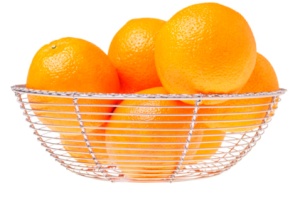
orangesTaking large doses of vitamin C may moderately reduce blood pressure, according to an analysis of years of research by Johns Hopkins scientists. But the researchers stopped short of suggesting people load up on supplements.

“Our research suggests a modest blood pressure lowering effect with vitamin C supplementation, but before we can recommend supplements as a treatment for high blood pressure, we really need more research to understand the implications of taking them,” says Edgar “Pete” R. Miller III, M.D., Ph.D., an associate professor in the division of general internal medicine at the Johns Hopkins University School of Medicine and leader of the study published in the American Journal of Clinical Nutrition.

Roughly 30 percent of adults in the United States have high blood pressure, or hypertension, an important risk factor for heart disease and stroke. Successful treatment may include drugs, exercise, weight loss, and dietary changes such as reducing salt intake. Some experts believe that large amounts of vitamin C, an essential micronutrient found primarily in fruits and vegetables, could lower pressure as well, but randomized, controlled dietary intervention studies — the gold standard of nutrition research — have produced mixed results.

Miller and his colleagues reviewed and analyzed data from 29 randomized, controlled, previously published clinical trials that reported systolic and/or diastolic blood pressure values and also compared vitamin C intake to a placebo. What they found is that taking an average of 500 milligrams of vitamin C daily — about five times the recommended daily requirement — reduced blood pressure by 3.84 millimeters of mercury in the short term. Among those diagnosed with hypertension, the drop was nearly 5 millimeters of mercury.

By comparison, Miller says, patients who take blood pressure medication such as ACE inhibitors or diuretics (so-called “water pills”) can expect a roughly 10 millimeter of mercury reduction in blood pressure.

Five hundred milligrams of vitamin C is the amount in about six cups of orange juice. The recommended daily intake of vitamin C for adults is 90 milligrams.

“Although our review found only a moderate impact on blood pressure, if the entire U.S. population lowered blood pressure by 3 milliliters of mercury, there would be a lot fewer strokes,” Miller says. Miller cautions, however, that none of the studies his team reviewed show that vitamin C directly prevents or reduces rates of cardiovascular disease, including stroke.

Scientists have focused on vitamin C’s potential role in blood pressure reduction because of the nutrient’s biological and physiological effects. For example, vitamin C may act as a diuretic, causing the kidneys to remove more sodium and water from the body, which helps to relax the blood vessel walls, thereby lowering blood pressure.

Nutritional supplements are a $28 billion-a-year industry, and marketing claims, newspaper stories and testimonials often make them hard to resist, Miller says. People often view supplements as a “natural alternative” and preferable to drugs for high blood pressure or other ailments, he adds, despite mounting evidence that many supplements don’t work and in some cases may cause harm.

“People love to take vitamins regardless of the evidence or lack of it,” Miller says. “We’re trying to raise the bar and provide evidence-based guidance about whether supplements help or actually do harm.” With respect to vitamin C, he says, the jury is still out.

Other study authors from Johns Hopkins include Stephen P. Juraschek, an M.D., Ph.D. candidate; Eliseo Guallar, M.D., Dr.Ph.; and Lawrence J. Appel, M.D., M.P.H.
 

KEYWORDS: blood pressure research supplements vitamin

Share This Story

Looking for a reprint of this article?
From high-res PDFs to custom plaques, order your copy today!

Recommended Content

JOIN TODAY
to unlock your recommendations.

Already have an account? Sign In

  • forklift safety

    Exploring the latest technologies in forklift safety

    With more staff and more stock in warehousing now more...
    Workplace Training Strategies
    By: Josh Cramer
  • welding

    All about welder’s flash or arc eye

    A flash burn is a painful inflammation of the cornea,...
    Environmental Health and Safety
  • dangerous jobs

    The 10 most dangerous jobs in the U.S.

    On-the-job deaths have been rising — hitting the highest...
    Occupational Safety
    By: Benita Mehta
Manage My Account
  • eMagazine Subscriptions
  • ISHN Newsletter & Other Newsletter Alerts
  • Online Registration
  • Manage My Preferences
  • Subscription Customer Service

More Videos

Sponsored Content

Sponsored Content is a special paid section where industry companies provide high quality, objective, non-commercial content around topics of interest to the ISHN audience. All Sponsored Content is supplied by the advertising company and any opinions expressed in this article are those of the author and not necessarily reflect the views of ISHN or its parent company, BNP Media. Interested in participating in our Sponsored Content section? Contact your local rep!

close
  • man wearing the the Sundström SR200 Full Face Mask Respirator
    Sponsored byOHD

    5 Fit Testing Mistakes That Could Cost You

  • This image shows Magid AcuSpex polarized blue mirrored safety glasses.
    Sponsored byMagid Glove and Safety

    Construction PPE Guide: What Crews Need for Each Task

  • lone worker in confined space
    Sponsored byAlphasense Ltd.

    GET THE LEAD OUT of your Safety Oxygen Sensors!

Popular Stories

SpaceX 7 launch

OSHA Investigating Fatal Fall at SpaceX Starbase

dust explosion

Tennessee OSHA Issues Record $3.1M Fine After Deadly Explosion at Munitions Plant

Worker Impairment

How to Tell When a Co-Worker is Impaired? A Safety Pro’s Challenge

top 10 most dangerous jobs

Poll

Seasonal Readiness

With the federal heat stress prevention rule on the horizon, which area of your safety program needs the most attention?
View Results Poll Archive

Products

Surviving an OSHA Audit A Management Guide, 2nd Edition

Surviving an OSHA Audit A Management Guide, 2nd Edition

See More Products

ISHN Podcasts

Related Articles

  • Keeping track of your health data can help lower blood pressure

    See More
  • Scientists working on vaccine to help lower blood pressure

    See More
  • More autonomy in workplace corresponds to lower blood pressure

    See More

Related Directories

  • A F C International Inc.

    Single and Multi gas detectors, fixed position gas monitors, respiratory protection, SCBAS, fit testing, calibration gases, confined space entry detectors.
×

Become a Leader in Safety Culture

Build your knowledge with ISHN, covering key safety, health and industrial hygiene news, products, and trends.

JOIN TODAY
  • RESOURCES
    • Advertise
    • Contact Us
    • Directories
    • Manufacturing Division
    • Store
    • Want More
  • SIGN UP TODAY
    • Create Account
    • eMagazine
    • Newsletters
    • Customer Service
    • Manage Preferences
  • SERVICES
    • Marketing Services
    • Reprints
    • Market Research
    • List Rental
    • Survey/Respondent Access
  • STAY CONNECTED
    • LinkedIn
    • Facebook
    • YouTube
    • X (Twitter)
  • PRIVACY
    • PRIVACY POLICY
    • TERMS & CONDITIONS
    • DO NOT SELL MY PERSONAL INFORMATION
    • PRIVACY REQUEST
    • ACCESSIBILITY

Copyright ©2026. All Rights Reserved BNP Media, Inc. and BNP Media II, LLC.

Design, CMS, Hosting & Web Development :: ePublishing