ISHN logo
search
cart
facebook twitter linkedin youtube
  • Sign In
  • Create Account
  • Sign Out
  • My Account
ISHN logo
  • NEWS
    • Today's News
    • Global Safety News
    • Government Regulations
  • PRODUCTS
    • Product Innovations
    • Featured Products
  • TOPICS
    • Environmental Health and Safety
    • Facility Safety
    • Workplace Health
    • Occupational Safety
    • PPE
    • More Topics
  • CONSTRUCTION
  • TECHNOLOGY
  • COLUMNS
    • Best Practices
    • Dave Johnson: What’s going on
    • Editorial Comments
    • Leading Safety
  • MULTIMEDIA
    • ISHN Podcast
    • Videos
    • Cold Stress Education Quiz
    • Webinars
    • White Papers
  • MORE
    • Buyer's Guide
    • Newsletters
    • Convention Companion
    • Polls
    • Events
    • ISHN Store
    • Sponsor Insights
  • EMAGAZINE
    • eMagazine
    • Archived Issues
    • Contact
    • Advertise
  • JOIN TODAY!
Facility Safety

When dust settles

Safe cleanup of deadly dusts is a must

By Jon A. Barrett
May 3, 2012

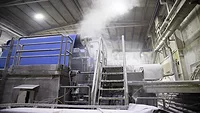
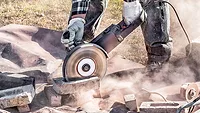
Combustible dust is fine particulate dust generated from organic products such as wood, metals, grains, agricultural, chemicals, plastics, paper and carbonaceous products. Manufacturing and production facilities equipment and machinery pulverize, mill, grind, crush, macerate and cut the bulk product. In return, dust is generated and accumulates on all equipment and facility structure surfaces. The fine powder dust, which is suspended on the higher, inaccessible and unnoticeable surfaces, is the most problematic for combustible dust.

Healthy workers, healthy business

Combustible dust can impact and affect facility workers’ health, leading to illnesses and injuries. J. Paul Leigh of the Stanford Medical Center notes that businesses spend $170.9 billion a year on costs associated with occupational injuries and illnesses — expenditures that come straight out of company profits. Injuries and illnesses increase workers’ compensation and retraining costs, absenteeism and production faults. They also decrease productivity, morale, and ultimately, profits.

Cleaning is key

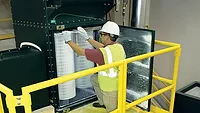
Cleaning is the key to preventing combustible dust risks. Some important areas of focus can include high ceiling and surface cleaning, HVAC air conveyance cleaning, dust collector cleaning, conveyor belt cleaning, silo tank cleaning, lab fume hood cleaning, and dust control vacuuming. Keeping these areas clean and maintained helps prevent airborne dust and particulates from accumulating in manufacturing and production facilities. Cleaning of combustible dust may also help promote equipment longevity, decrease utility costs for operating equipment, increase the brightness of lighting, stabilize insurance rates, and allow a greater return on investment on manufacturing equipment.

Properly trained personnel should perform combustible dust cleaning. It is important to implement a safety training program that covers the dangers of handling and cleaning combustible dusts.

Explosion-proof HEPA (high efficiency particulate air filtration) vacuums are the primary type of equipment to be used for combustible dust cleaning. Sweeping with a broom or using compressed air are not safe means of cleaning combustible dust. The act of broom sweeping and the use of compressed air actually create dust clouds and release particulate into the air, which may create more issues with sensitive equipment, and possible combustible dust explosions.

Proceed safely

Performing combustible dust cleaning requires several important procedures. Safety is the top priority. Following are some of the issues that need to be addressed to ensure safe handling and cleaning of combustible dusts:

  • Preventing static electricity, sparking and any electrical charge is the first preventative step. Proper grounding of in-house electrical systems, equipment, forklifts, high-reach equipment, vacuums, extension cords and lighting is mandatory under the NFPA 654 Standard. With certain combustible dusts, the simple act of static charge from a human can create a charge that can lead to a dust explosion.
  • Testing and sampling of the powder and bulk dust particulate is required to determine if the dust particulate is or isn’t combustible or explosive. MSDS sheets of each product can be useful in testing the dust.
  • Proper lockout/tagout documentation, slip and fall prevention, high reach and harness protection, and confined space awareness are some of the safety concerns that may need to be addressed to comply with OSHA regulations.
  • Donning proper PPE is important. Essential protection basics can include: a HEPA filtered respirator, safety lanyards and harnesses, hard hats, safety glasses, ear protection, disposable gloves, special coveralls and steel toe boots.
KEYWORDS: dust collection

Share This Story

Looking for a reprint of this article?
From high-res PDFs to custom plaques, order your copy today!

Jon A. Barrett is an SEO Analyst, SEO Technical Writer, and Social Media Strategist at Dust Safety Science, https://dustsafetyscience.com/ Barrett is also a Professional Member of the American Society of Journalists and Authors, a Professional Technical Writer https://www.asja.org/member/jon-barrett/ and a Certified Mold Remediator, (CMR), with several other previous industry certifications, for asbestos remediation supervisor status, biohazard remediation, and combustible dust remediation, and over 30 years of remediation and restoration cleaning experience in the government, industrial, manufacturing, commercial, residential, and insurance industries sectors, and over 30 years of remediation and restoration cleaning experience in the government, industrial, manufacturing, commercial, residential, and insurance industries sector.


Recommended Content

JOIN TODAY
to unlock your recommendations.

Already have an account? Sign In

  • forklift safety

    Exploring the latest technologies in forklift safety

    With more staff and more stock in warehousing now more...
    Facility Safety
    By: Josh Cramer
  • welding

    All about welder’s flash or arc eye

    A flash burn is a painful inflammation of the cornea,...
    Environmental Health and Safety
  • dangerous jobs

    The 10 most dangerous jobs in the U.S.

    On-the-job deaths have been rising — hitting the highest...
    Transportation Safety
    By: Benita Mehta
Manage My Account
  • eMagazine Subscriptions
  • ISHN Newsletter & Other Newsletter Alerts
  • Online Registration
  • Manage My Preferences
  • Subscription Customer Service

More Videos

Sponsored Content

Sponsored Content is a special paid section where industry companies provide high quality, objective, non-commercial content around topics of interest to the ISHN audience. All Sponsored Content is supplied by the advertising company and any opinions expressed in this article are those of the author and not necessarily reflect the views of ISHN or its parent company, BNP Media. Interested in participating in our Sponsored Content section? Contact your local rep!

close
  • man wearing the the Sundström SR200 Full Face Mask Respirator
    Sponsored byOHD

    5 Fit Testing Mistakes That Could Cost You

  • This image shows Magid AcuSpex polarized blue mirrored safety glasses.
    Sponsored byMagid Glove and Safety

    Construction PPE Guide: What Crews Need for Each Task

  • lone worker in confined space
    Sponsored byAlphasense Ltd.

    GET THE LEAD OUT of your Safety Oxygen Sensors!

Popular Stories

SpaceX 7 launch

OSHA Investigating Fatal Fall at SpaceX Starbase

dust explosion

Tennessee OSHA Issues Record $3.1M Fine After Deadly Explosion at Munitions Plant

roofing dangerous jobs Getty.jpg

OSHA Finds Florida Roofing Company Willfully Exposed Workers to Safety Hazards After Worker’s Fatal Fall

top 10 most dangerous jobs

Poll

Seasonal Readiness

With the federal heat stress prevention rule on the horizon, which area of your safety program needs the most attention?
View Results Poll Archive

Products

Surviving an OSHA Audit A Management Guide, 2nd Edition

Surviving an OSHA Audit A Management Guide, 2nd Edition

See More Products

ISHN Podcasts

Related Articles

  • Dust in manufacturing facility

    A comprehensive guide to combustible dust best practices

    See More
  • silica dust exposure

    Standards and best practices for inspecting and assessing suspect silica dust

    See More
  • Industrial dust collection

    How to optimize employee safety when operating industrial dust collectors

    See More

Related Products

See More Products
  • 1119010160.jpg

    Guidelines for Combustible Dust Hazard Analysis

  • 3E

    Safety Professional's Reference and Study Guide, Third Edition

See More Products

Events

View AllSubmit An Event
  • Gas Detectors: The most common mistakes people make when using atmospheric monitors

    Learn the most common mistakes people make when using atmospheric monitors. Join Bob Henderson from GFG Instrumentation for this educational webinar.
View AllSubmit An Event

Related Directories

  • Scientific Dust Collectors

    Scientific Dust Collectors (SDC) began in 1981 when our first patent for improving filter cleaning was issued. Our patented UniFlow Supersonic Nozzle -based cleaning system is where it all starts. Combined with our High Side Inlets, Wide Filter Spacing, and Inlet Baffling, we are able to guarantee performance, efficiency, and filter life. ASHRAE 199 Test Lab on site.
×

Become a Leader in Safety Culture

Build your knowledge with ISHN, covering key safety, health and industrial hygiene news, products, and trends.

JOIN TODAY
  • RESOURCES
    • Advertise
    • Contact Us
    • Directories
    • Manufacturing Division
    • Store
    • Want More
  • SIGN UP TODAY
    • Create Account
    • eMagazine
    • Newsletters
    • Customer Service
    • Manage Preferences
  • SERVICES
    • Marketing Services
    • Reprints
    • Market Research
    • List Rental
    • Survey/Respondent Access
  • STAY CONNECTED
    • LinkedIn
    • Facebook
    • YouTube
    • X (Twitter)
  • PRIVACY
    • PRIVACY POLICY
    • TERMS & CONDITIONS
    • DO NOT SELL MY PERSONAL INFORMATION
    • PRIVACY REQUEST
    • ACCESSIBILITY

Copyright ©2026. All Rights Reserved BNP Media, Inc. and BNP Media II, LLC.

Design, CMS, Hosting & Web Development :: ePublishing