ISHN logo
search
cart
facebook twitter linkedin youtube
  • Sign In
  • Create Account
  • Sign Out
  • My Account
ISHN logo
  • NEWS
    • Today's News
    • Global Safety News
    • Government Regulations
  • PRODUCTS
    • Product Innovations
    • Featured Products
  • TOPICS
    • Environmental Health and Safety
    • Facility Safety
    • Workplace Health
    • Occupational Safety
    • PPE
    • More Topics
  • CONSTRUCTION
  • TECHNOLOGY
  • COLUMNS
    • Best Practices
    • Dave Johnson: What’s going on
    • Editorial Comments
    • Leading Safety
  • MULTIMEDIA
    • ISHN Podcast
    • Videos
    • Cold Stress Education Quiz
    • Webinars
    • White Papers
  • MORE
    • Buyer's Guide
    • Newsletters
    • Convention Companion
    • Polls
    • Events
    • ISHN Store
    • Sponsor Insights
  • EMAGAZINE
    • eMagazine
    • Archived Issues
    • Contact
    • Advertise
  • JOIN TODAY!
Today's Safety NewsWorkplace Health

Most workers would seek alternatives if health benefits are taxed

December 20, 2012

If Congress – in its quest to rein in the federal deficit – decides to tax workers’ health benefits, more than half of American workers would either switch to a less costly plan, shop around, or drop coverage, according to new research from the nonpartisan Employee Benefit Research Institute (EBRI).

The 2012 EBRI/MGA Health Confidence Survey (HCS) finds that if current tax preferences were to change and employment-based coverage became taxable to workers, 26 percent would want to switch to a less costly plan, 21 percent say they would want to shop for coverage directly from insurers, and 9 percent say they would want to drop coverage altogether.  However, nearly 4 in 10 (39 percent) individuals say they would continue with their current level of coverage, up 10 percentage points from last year’s HCS findings.

A key factor in choosing a job

While changes resulting from the Patient Protection and Affordable Care Act (PPACA) have raised concerns as to whether employers will continue to offer health coverage in the future, the 2012 HCS finds that health benefits remain a key a factor for workers in choosing a job, and health insurance in particular continues to be—by far—the most important employee benefit to workers.

“Most Americans are satisfied with the health benefits they have now and prefer not to change the mix of benefits and wages,” said Paul Fronstin, director of EBRI’s health Research and Education Program and author of the report. “About three-quarters say they are satisfied with the health benefits they currently receive, while 15 percent say they would trade wages to get more health benefits, and 9 percent say they would surrender health benefits for higher wages.”

Other HCS findings in workers’ opinions of employment-based health insurance:

Overall, individuals are of a mixed mind when it comes to their preferred means of obtaining health insurance. Four in 10 (38 percent) prefer to continue getting coverage as they do today. One-third (34 percent) preferred to choose their insurance plan, have their employers give them the money that was being spent on their behalf, and then pay the remaining amounts themselves. One-quarter (23 percent) prefer that their employers give them the money and allow the workers to decide whether to purchase coverage, and how much to spend.

Choice of health plans is important to workers, and they would like more choices, but most workers expressed confidence that their employers or unions have selected the best available health plan Moreover, they are not as confident in their ability to choose the best available plan if their employers or unions did, in fact, stop offering coverage.

Full results of the 2012 Health Confidence Survey are published in the December 2012 EBRI Notes, “Views on Employment-Based Health Benefits: Findings from the 2012 Health Confidence Survey,” online at www.ebri.org The HCS examines a broad spectrum of health care issues, including Americans’ satisfaction with health care, confidence in the future of the nation’s health care system and the Medicare program, as well as their attitudes toward certain aspects of health care reform.

About the EBRI

The Employee Benefit Research Institute is a private, nonpartisan, nonprofit research institute based in Washington, DC, that focuses on health, savings, retirement, and economic security issues. EBRI does not lobby and does not take policy positions. The work of EBRI is made possible by funding from its members and sponsors, which includes a broad range of public, private, for-profit and nonprofit organizations. For more information go to www.ebri.org or www.asec.org

KEYWORDS: employers health

Share This Story

Looking for a reprint of this article?
From high-res PDFs to custom plaques, order your copy today!

Recommended Content

JOIN TODAY
to unlock your recommendations.

Already have an account? Sign In

  • forklift safety

    Exploring the latest technologies in forklift safety

    With more staff and more stock in warehousing now more...
    Facility Safety
    By: Josh Cramer
  • welding

    All about welder’s flash or arc eye

    A flash burn is a painful inflammation of the cornea,...
    Environmental Health and Safety
  • dangerous jobs

    The 10 most dangerous jobs in the U.S.

    On-the-job deaths have been rising — hitting the highest...
    Occupational Safety
    By: Benita Mehta
Manage My Account
  • eMagazine Subscriptions
  • ISHN Newsletter & Other Newsletter Alerts
  • Online Registration
  • Manage My Preferences
  • Subscription Customer Service

More Videos

Sponsored Content

Sponsored Content is a special paid section where industry companies provide high quality, objective, non-commercial content around topics of interest to the ISHN audience. All Sponsored Content is supplied by the advertising company and any opinions expressed in this article are those of the author and not necessarily reflect the views of ISHN or its parent company, BNP Media. Interested in participating in our Sponsored Content section? Contact your local rep!

close
  • man wearing the the Sundström SR200 Full Face Mask Respirator
    Sponsored byOHD

    5 Fit Testing Mistakes That Could Cost You

  • This image shows Magid AcuSpex polarized blue mirrored safety glasses.
    Sponsored byMagid Glove and Safety

    Construction PPE Guide: What Crews Need for Each Task

  • lone worker in confined space
    Sponsored byAlphasense Ltd.

    GET THE LEAD OUT of your Safety Oxygen Sensors!

Popular Stories

SpaceX 7 launch

OSHA Investigating Fatal Fall at SpaceX Starbase

dust explosion

Tennessee OSHA Issues Record $3.1M Fine After Deadly Explosion at Munitions Plant

roofing dangerous jobs Getty.jpg

OSHA Finds Florida Roofing Company Willfully Exposed Workers to Safety Hazards After Worker’s Fatal Fall

top 10 most dangerous jobs

Poll

Seasonal Readiness

With the federal heat stress prevention rule on the horizon, which area of your safety program needs the most attention?
View Results Poll Archive

Products

Surviving an OSHA Audit A Management Guide, 2nd Edition

Surviving an OSHA Audit A Management Guide, 2nd Edition

See More Products

ISHN Podcasts

Related Articles

  • Survey: Most U.S. workers will continue to rely on employer-provided health benefits (5/27)

    See More
  • Bill would restore bankruptcy-threatened health benefits to retired coal miners

    See More
  • Survey: Most employees not ready to use social media for health benefits info (7/8)

    See More

Related Products

See More Products
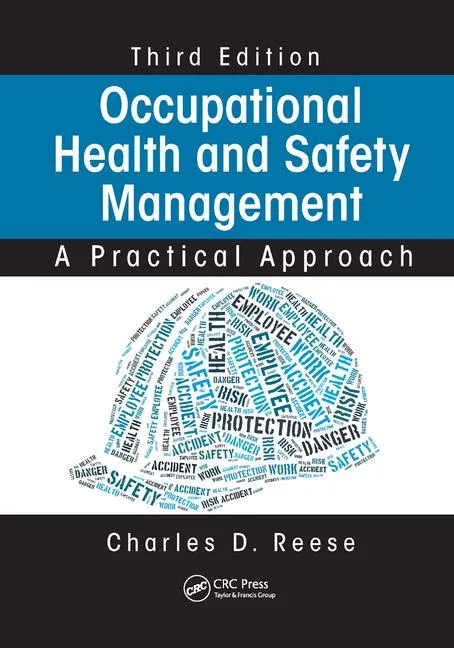
  • 9781138749573.jpg

    Occupational Health and Safety Management: A Practical Approach, Third Edition

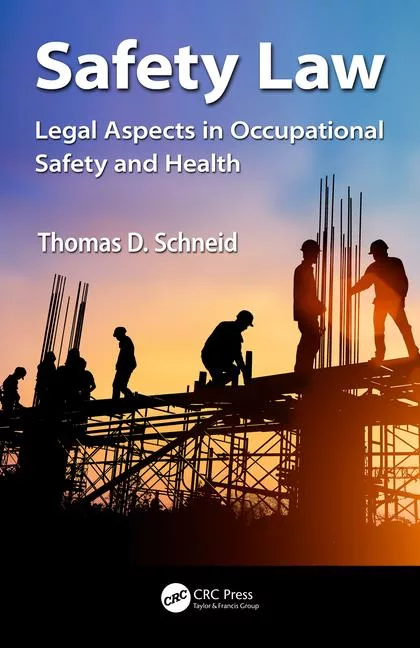
  • safety law.jpg

    Safety Law: Legal Aspects in Occupational Safety and Health

See More Products

Events

View AllSubmit An Event
  • Gas Detectors: The most common mistakes people make when using atmospheric monitors

    Learn the most common mistakes people make when using atmospheric monitors. Join Bob Henderson from GFG Instrumentation for this educational webinar.
View AllSubmit An Event

Related Directories

  • SafetyLine Lone Worker

    SafetyLine Lone Worker helps companies monitor the status of workers who are remote, alone, or working in hazardous situations. We are an automated check-in monitoring and emergency notification service. SafetyLine uses its communications infrastructure to ensure that workers have comprehensive monitoring, 24/7, without the need for costly monitoring centers.
×

Become a Leader in Safety Culture

Build your knowledge with ISHN, covering key safety, health and industrial hygiene news, products, and trends.

JOIN TODAY
  • RESOURCES
    • Advertise
    • Contact Us
    • Directories
    • Manufacturing Division
    • Store
    • Want More
  • SIGN UP TODAY
    • Create Account
    • eMagazine
    • Newsletters
    • Customer Service
    • Manage Preferences
  • SERVICES
    • Marketing Services
    • Reprints
    • Market Research
    • List Rental
    • Survey/Respondent Access
  • STAY CONNECTED
    • LinkedIn
    • Facebook
    • YouTube
    • X (Twitter)
  • PRIVACY
    • PRIVACY POLICY
    • TERMS & CONDITIONS
    • DO NOT SELL MY PERSONAL INFORMATION
    • PRIVACY REQUEST
    • ACCESSIBILITY

Copyright ©2026. All Rights Reserved BNP Media, Inc. and BNP Media II, LLC.

Design, CMS, Hosting & Web Development :: ePublishing