ISHN logo
search
cart
facebook twitter linkedin youtube
  • Sign In
  • Create Account
  • Sign Out
  • My Account
ISHN logo
  • NEWS
    • Today's News
    • Global Safety News
    • Government Regulations
  • PRODUCTS
    • Product Innovations
    • Featured Products
  • TOPICS
    • Environmental Health and Safety
    • Facility Safety
    • Workplace Health
    • Occupational Safety
    • PPE
    • More Topics
  • CONSTRUCTION
  • TECHNOLOGY
  • COLUMNS
    • Best Practices
    • Dave Johnson: What’s going on
    • Editorial Comments
    • Leading Safety
  • MULTIMEDIA
    • ISHN Podcast
    • Videos
    • Cold Stress Education Quiz
    • Webinars
    • White Papers
  • MORE
    • Buyer's Guide
    • Newsletters
    • Convention Companion
    • Polls
    • Events
    • ISHN Store
    • Sponsor Insights
  • EMAGAZINE
    • eMagazine
    • Archived Issues
    • Contact
    • Advertise
  • JOIN TODAY!
Today's Safety NewsTransportation Safety

Poor maintenance, mechanic fatigue led to fatal helicopter crash

January 31, 2013

National Transportation Safety BoardA 2011 Nevada helicopter crash that killed the pilot and his five sightseeing passengers was caused by poor maintenance, according to an investigation by the National Transportation Safety Board (NTSB). Also contributing to the accident: degraded material, improper installation, and inadequate inspections.

“This investigation is a potent reminder that what happens in the maintenance hangar is just as important for safety as what happens in the air,” said NTSB Chairman Deborah A. P. Hersman.

2,500 feet per minute

At about 4:30 p.m. Pacific standard time, a Sundance Helicopters Eurocopter AS350, operating as a “Twilight City Tour” sightseeing trip, crashed in mountainous terrain about 14 miles east of Las Vegas, Nev. The helicopter originated from Las Vegas McCarran International Airport at about 4:21 p.m. with a planned route to the Hoover Dam area and then return to the airport. The accident occurred after a critical flight control unit separated from another, rendering the helicopter uncontrollable. After the part separated, the helicopter climbed about 600 feet, turned about 90 degrees to the left, descended about 800 feet, began a left turn, and then descended at a rate of at least 2,500 feet per minute to impact. The pilot and four passengers were killed and the helicopter was destroyed.

The NTSB found that the crash was the result of Sundance Helicopters’ improper reuse of a degraded self-locking nut in the servo control input rod and the improper or non-use of a split pin to secure the degraded nut, in addition to an inadequate post-maintenance inspection.

Fatigue on part of mechanic and inspector

Contributing to the improper (or lack of) split pin installation was the mechanic’s fatigue and lack of clearly delineated steps to follow on a “work card” or “checklist” The inspector’s fatigue and lack of a work card or checklist clearly laying out the inspection steps to follow contributed to an inadequate post-maintenance inspection. As a result of this investigation the NTSB made, reiterated and reclassified recommendations to the Federal Aviation Administration.

“One of the critical lines of defense to help prevent tragedies like this crash is improved maintenance documentation through clear work cards, or checklists,” Hersman said. “Checklists are not rocket science, but they can have astronomical benefits.”

A synopsis of the NTSB report, including the probable cause, findings, and a complete list of the safety recommendations, is available at www.ntsb.gov/news/events/2013/las_vegas_nv/index.html. The full report will be available on the website in several weeks.

KEYWORDS: crashes investigation

Share This Story

Looking for a reprint of this article?
From high-res PDFs to custom plaques, order your copy today!

Recommended Content

JOIN TODAY
to unlock your recommendations.

Already have an account? Sign In

  • forklift safety

    Exploring the latest technologies in forklift safety

    With more staff and more stock in warehousing now more...
    Workplace Training Strategies
    By: Josh Cramer
  • welding

    All about welder’s flash or arc eye

    A flash burn is a painful inflammation of the cornea,...
    Environmental Health and Safety
  • dangerous jobs

    The 10 most dangerous jobs in the U.S.

    On-the-job deaths have been rising — hitting the highest...
    Transportation Safety
    By: Benita Mehta
Manage My Account
  • eMagazine Subscriptions
  • ISHN Newsletter & Other Newsletter Alerts
  • Online Registration
  • Manage My Preferences
  • Subscription Customer Service

More Videos

Sponsored Content

Sponsored Content is a special paid section where industry companies provide high quality, objective, non-commercial content around topics of interest to the ISHN audience. All Sponsored Content is supplied by the advertising company and any opinions expressed in this article are those of the author and not necessarily reflect the views of ISHN or its parent company, BNP Media. Interested in participating in our Sponsored Content section? Contact your local rep!

close
  • man wearing the the Sundström SR200 Full Face Mask Respirator
    Sponsored byOHD

    5 Fit Testing Mistakes That Could Cost You

  • This image shows Magid AcuSpex polarized blue mirrored safety glasses.
    Sponsored byMagid Glove and Safety

    Construction PPE Guide: What Crews Need for Each Task

  • lone worker in confined space
    Sponsored byAlphasense Ltd.

    GET THE LEAD OUT of your Safety Oxygen Sensors!

Popular Stories

SpaceX 7 launch

OSHA Investigating Fatal Fall at SpaceX Starbase

dust explosion

Tennessee OSHA Issues Record $3.1M Fine After Deadly Explosion at Munitions Plant

roofing dangerous jobs Getty.jpg

OSHA Finds Florida Roofing Company Willfully Exposed Workers to Safety Hazards After Worker’s Fatal Fall

top 10 most dangerous jobs

Poll

Seasonal Readiness

With the federal heat stress prevention rule on the horizon, which area of your safety program needs the most attention?
View Results Poll Archive

Products

Surviving an OSHA Audit A Management Guide, 2nd Edition

Surviving an OSHA Audit A Management Guide, 2nd Edition

See More Products

ISHN Podcasts

Related Articles

  • Fatal helicopter crash due to safety not being a priority, says NTSB (5/25)

    See More
  • Driver fatigue led to fatal 2014 multi-vehicle collision in Ill.

    See More
  • NTSB opens investigation into fatal NY helicopter crash

    See More

Related Products

See More Products
  • 111885960X.jpg

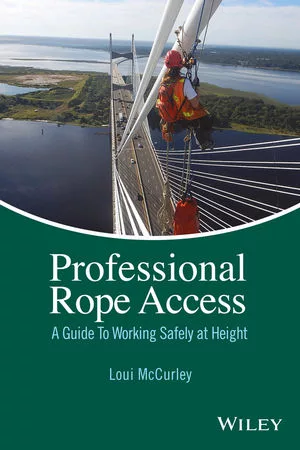
    Professional Rope Access: A Guide To Working Safely at Height

See More Products
×

Become a Leader in Safety Culture

Build your knowledge with ISHN, covering key safety, health and industrial hygiene news, products, and trends.

JOIN TODAY
  • RESOURCES
    • Advertise
    • Contact Us
    • Directories
    • Manufacturing Division
    • Store
    • Want More
  • SIGN UP TODAY
    • Create Account
    • eMagazine
    • Newsletters
    • Customer Service
    • Manage Preferences
  • SERVICES
    • Marketing Services
    • Reprints
    • Market Research
    • List Rental
    • Survey/Respondent Access
  • STAY CONNECTED
    • LinkedIn
    • Facebook
    • YouTube
    • X (Twitter)
  • PRIVACY
    • PRIVACY POLICY
    • TERMS & CONDITIONS
    • DO NOT SELL MY PERSONAL INFORMATION
    • PRIVACY REQUEST
    • ACCESSIBILITY

Copyright ©2026. All Rights Reserved BNP Media, Inc. and BNP Media II, LLC.

Design, CMS, Hosting & Web Development :: ePublishing