ISHN logo
search
cart
facebook twitter linkedin youtube
  • Sign In
  • Create Account
  • Sign Out
  • My Account
ISHN logo
  • NEWS
    • Today's News
    • Global Safety News
    • Government Regulations
  • PRODUCTS
    • Product Innovations
    • Featured Products
  • TOPICS
    • Environmental Health and Safety
    • Facility Safety
    • Workplace Health
    • Occupational Safety
    • PPE
    • More Topics
  • CONSTRUCTION
  • TECHNOLOGY
  • COLUMNS
    • Best Practices
    • Dave Johnson: What’s going on
    • Editorial Comments
    • Leading Safety
  • MULTIMEDIA
    • ISHN Podcast
    • Videos
    • Cold Stress Education Quiz
    • Webinars
    • White Papers
  • MORE
    • Buyer's Guide
    • Newsletters
    • Convention Companion
    • Polls
    • Events
    • ISHN Store
    • Sponsor Insights
  • EMAGAZINE
    • eMagazine
    • Archived Issues
    • Contact
    • Advertise
  • JOIN TODAY!

Improving your sleep

July 19, 2013

sleep deprivation is affecting many AmericansThe world looks very different at 3 a.m. when you’re lying in bed staring at the ceiling or the clock. “How will I make it through tomorrow without any sleep?” you worry. If you regularly can’t get to sleep — or stay asleep — and it’s affecting you during the day, then you may have insomnia. 

Prescription or over-the-counter sleep aids can help you drift off, but these drugs also have side effects. These include morning drowsiness, which can make activities like driving or using machinery dangerous, and an increased risk for falling. There are other ways to get a good night’s sleep than medications.

Try simple lifestyle changes, recommends Dr. Hadine Joffe, associate professor of psychiatry at Harvard Medical School. Two good ones to start with include avoiding caffeine and sticking to a regular sleep schedule. If these steps don’t help, it’s worth a call to your doctor to see if a medical condition — such as thyroid problems, anemia, sleep apnea, menopausal hot flashes, heartburn, incontinence, or depression — are affecting the quality or the quantity of your sleep. Treating the health problem may take care of the sleep problem.

The guide below can help you establish a sleep routine to promote restful nights.

Your Daily Sleep Guide
This morning-to-evening, sleep-promoting schedule may help you get the rest you need

Morning


7:00 a.m.

Wake up at the same time each morning, even on weekends.

8:00 a.m.

Limit yourself to just one cup of caffeinated coffee at breakfast, or drink decaf. Too much caffeine in the morning can stay with you until bedtime. (If you’re used to drinking several cups of coffee a day, wean yourself off it gradually over a few weeks.)

9:00 a.m.

Get outside for a 30 minute walk. Both exercise and morning sunlight can help you sleep better.

Evening


6:00 p.m.

Eat a light dinner. A heavy meal can lead to heartburn, which can keep you awake. Avoid caffeinated tea, coffee, and soda, as well as alcohol and chocolate.

9:15 p.m.

Turn off your TV, computer, cell phone, and tablet device at least 30 minutes before bed. They stimulate the brain. Read a book (not on a tablet), take a warm bath, or listen to soft music to help your body and mind unwind before bed.

9:45 p.m.

Get your bedroom ready for sleep. Dim the lights, close the curtains, make sure the temperature is cool and comfortable, and cover your alarm clock so you can’t see the time if you do wake up in the middle of the night.

10:00 p.m.

Use the bathroom.

10:15 p.m.

Lights out. Try to go to bed at the same time every night. If you can’t fall asleep in 15 minutes, leave the bedroom. Sit somewhere quiet, like the couch, and read a book for 15-20 minutes or until you get sleepy. Then go back to bed.

To read more about the importance of a good night’s sleep, buy Improving Sleep, a Special Health Report from Harvard Medical School.

KEYWORDS: insomnia sleep

Share This Story

Looking for a reprint of this article?
From high-res PDFs to custom plaques, order your copy today!

Recommended Content

JOIN TODAY
to unlock your recommendations.

Already have an account? Sign In

  • forklift safety

    Exploring the latest technologies in forklift safety

    With more staff and more stock in warehousing now more...
    Facility Safety
    By: Josh Cramer
  • welding

    All about welder’s flash or arc eye

    A flash burn is a painful inflammation of the cornea,...
    Environmental Health and Safety
  • dangerous jobs

    The 10 most dangerous jobs in the U.S.

    On-the-job deaths have been rising — hitting the highest...
    Transportation Safety
    By: Benita Mehta
Manage My Account
  • eMagazine Subscriptions
  • ISHN Newsletter & Other Newsletter Alerts
  • Online Registration
  • Manage My Preferences
  • Subscription Customer Service

More Videos

Sponsored Content

Sponsored Content is a special paid section where industry companies provide high quality, objective, non-commercial content around topics of interest to the ISHN audience. All Sponsored Content is supplied by the advertising company and any opinions expressed in this article are those of the author and not necessarily reflect the views of ISHN or its parent company, BNP Media. Interested in participating in our Sponsored Content section? Contact your local rep!

close
  • man wearing the the Sundström SR200 Full Face Mask Respirator
    Sponsored byOHD

    5 Fit Testing Mistakes That Could Cost You

  • This image shows Magid AcuSpex polarized blue mirrored safety glasses.
    Sponsored byMagid Glove and Safety

    Construction PPE Guide: What Crews Need for Each Task

  • lone worker in confined space
    Sponsored byAlphasense Ltd.

    GET THE LEAD OUT of your Safety Oxygen Sensors!

Popular Stories

SpaceX 7 launch

OSHA Investigating Fatal Fall at SpaceX Starbase

Automated loading dock equipment

After March 2026 Rivian Death, Safety Managers Reassess Loading Dock Systems Under OSHA's Warehouse Emphasis Program

psychology in the workplace

Most Workplaces Measure Psychological Safety, Ignoring Psychosocial Risks

top 10 most dangerous jobs

Poll

Seasonal Readiness

With the federal heat stress prevention rule on the horizon, which area of your safety program needs the most attention?
View Results Poll Archive

Products

Surviving an OSHA Audit A Management Guide, 2nd Edition

Surviving an OSHA Audit A Management Guide, 2nd Edition

See More Products

ISHN Podcasts

Related Articles

  • Confined Space blog

    Don’t want to be incinerated in your sleep? Too bad

    See More
  • Improving your safety conversations

    See More
  • Part 3: Improving your safety investigations

    See More

Related Products

See More Products
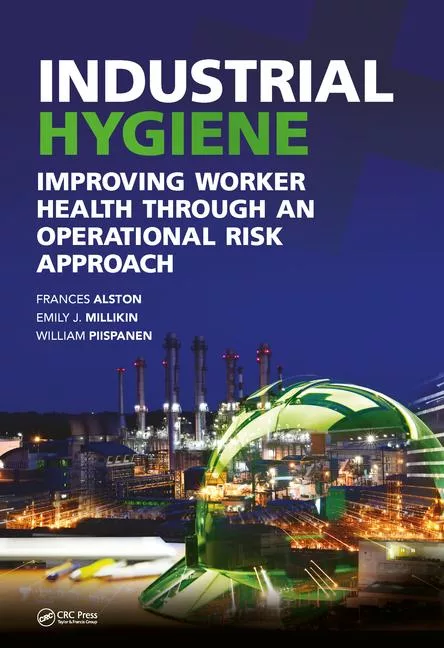
  • industrial hy.jpg

    Industrial Hygiene: Improving Worker Health through an Operational Risk Approach

See More Products
×

Become a Leader in Safety Culture

Build your knowledge with ISHN, covering key safety, health and industrial hygiene news, products, and trends.

JOIN TODAY
  • RESOURCES
    • Advertise
    • Contact Us
    • Directories
    • Manufacturing Division
    • Store
    • Want More
  • SIGN UP TODAY
    • Create Account
    • eMagazine
    • Newsletters
    • Customer Service
    • Manage Preferences
  • SERVICES
    • Marketing Services
    • Reprints
    • Market Research
    • List Rental
    • Survey/Respondent Access
  • STAY CONNECTED
    • LinkedIn
    • Facebook
    • YouTube
    • X (Twitter)
  • PRIVACY
    • PRIVACY POLICY
    • TERMS & CONDITIONS
    • DO NOT SELL MY PERSONAL INFORMATION
    • PRIVACY REQUEST
    • ACCESSIBILITY

Copyright ©2026. All Rights Reserved BNP Media, Inc. and BNP Media II, LLC.

Design, CMS, Hosting & Web Development :: ePublishing