ISHN logo
search
cart
facebook twitter linkedin youtube
  • Sign In
  • Create Account
  • Sign Out
  • My Account
ISHN logo
  • NEWS
    • Today's News
    • Global Safety News
    • Government Regulations
  • PRODUCTS
    • Product Innovations
    • Featured Products
  • TOPICS
    • Environmental Health and Safety
    • Facility Safety
    • Workplace Health
    • Occupational Safety
    • PPE
    • More Topics
  • CONSTRUCTION
  • TECHNOLOGY
  • COLUMNS
    • Best Practices
    • Dave Johnson: What’s going on
    • Editorial Comments
    • Leading Safety
  • MULTIMEDIA
    • ISHN Podcast
    • Videos
    • Cold Stress Education Quiz
    • Webinars
    • White Papers
  • MORE
    • Buyer's Guide
    • Newsletters
    • Convention Companion
    • Polls
    • Events
    • ISHN Store
    • Sponsor Insights
  • EMAGAZINE
    • eMagazine
    • Archived Issues
    • Contact
    • Advertise
  • JOIN TODAY!

Working safely in a stand-up job

November 6, 2013

Does your work require you to stand, planted in one position for hours on end?

Any prolonged position can hurt your body, and standing is no exception. There is no single, ideal body position for working. The best position is a variety of positions, where you equally distribute loads on different parts of the body but causes no physical strain. The reality in many workplaces, however, is that workers often sit or stand for long periods of time.

Anyone whose job requires them to stand on their feet for hours on end (salesperson, machine operator, assembly-line worker) can attest to the physical discomforts they may experience.

These may include: sore feet, swelling of the legs, general muscular fatigue, low back pain, and stiffness in the neck and shoulders.

There are a variety of health problems that may be caused by prolonged and frequent standing. Without some relief by walking, blood may pool in the legs and feet. This can cause inflammation of the veins that may progress over time to painful varicose veins. Excessive standing also causes the joints in the spine, hips, knees and feet to become temporarily immobilized or locked. This immobility can later lead to rheumatic diseases due to degenerative damage to the tendons and ligaments.

If you spend most of your time at work standing, there are things you can do to reduce the ill effects on your posture.

Workstation set up
Any stand-up workstation should be adjusted according to your height, using elbow height as the guide. For example, precision work, such as writing or electronic assembly, requires a work surface that's five cm (two inches) above elbow height; your elbows should be supported. Light work, such as assembly-line or mechanical jobs, require a work surface that is 5 to 10 cm below elbow height. Heavy work, demanding downward forces, requires a surface that is 20 to 40 cm below elbow height.

Proper position
If you work in a standing position, always face what you're working on, keeping your body close to the work. Adjust the workspace so that you have enough space to change working position. Use a foot rail or portable footrest to shift your body weight from both legs to one or the other leg. Use a seat whenever possible while working, or at least during rest breaks. Avoid over-reaching behind or above the shoulder line, or beyond the point of what is comfortable. Instead of reaching, shift your feet to face the object.

If you must stand to work, take frequent rest breaks. Find ways to change position as much as possible while you work.

Comfortable footwear
If your feet are not comfortable, nor are your legs, hips and back. The comfort of your feet depends largely on your footwear. If working in Canada, choose Canadian Standards Association (CSA)-approved footwear with the proper ratings for the hazards in your workplace. (In the U.S., look for ANSI-approved footwear.

Your shoes should be as wide as your feet, leaving room to move your toes. They should have arch supports to prevent flattening of the feet, and a heel with a firm grip to prevent slipping. Lace-up shoes are best, because they allow you to tighten the instep of your footwear, keeping your foot from slipping inside the shoe or boot. The footwear should have heels that are not flat, but are no higher than 5 cm (2 inches). Wear padding under the tongue if you suffer from tenderness over the bones at the top of the foot. And if you work on a metal or cement floor, cushion your foot with a shock-absorbing insole.

Proper standing surface
The floor you stand on also greatly affects your level of comfort. Wooden, cork or rubber-covered floors are far preferable to concrete or metal, but if you must stand on hard floors, stand on mats. Floor mats should have slanted edges to help prevent tripping. They must be dense enough to cushion the feet, but not too thick. Too much cushioning, from thick foam-rubber mats, for example, can cause fatigue and increase the hazard of tripping.

Remember that the ideal position is one that changes frequently.

Canadian Centre for Occupational Health and Safety
www.ccohs.ca

KEYWORDS: back pain

Share This Story

Looking for a reprint of this article?
From high-res PDFs to custom plaques, order your copy today!

Recommended Content

JOIN TODAY
to unlock your recommendations.

Already have an account? Sign In

  • forklift safety

    Exploring the latest technologies in forklift safety

    With more staff and more stock in warehousing now more...
    Facility Safety
    By: Josh Cramer
  • welding

    All about welder’s flash or arc eye

    A flash burn is a painful inflammation of the cornea,...
    Environmental Health and Safety
  • dangerous jobs

    The 10 most dangerous jobs in the U.S.

    On-the-job deaths have been rising — hitting the highest...
    Government Safety Regulations
    By: Benita Mehta
Manage My Account
  • eMagazine Subscriptions
  • ISHN Newsletter & Other Newsletter Alerts
  • Online Registration
  • Manage My Preferences
  • Subscription Customer Service

More Videos

Sponsored Content

Sponsored Content is a special paid section where industry companies provide high quality, objective, non-commercial content around topics of interest to the ISHN audience. All Sponsored Content is supplied by the advertising company and any opinions expressed in this article are those of the author and not necessarily reflect the views of ISHN or its parent company, BNP Media. Interested in participating in our Sponsored Content section? Contact your local rep!

close
  • man wearing the the Sundström SR200 Full Face Mask Respirator
    Sponsored byOHD

    5 Fit Testing Mistakes That Could Cost You

  • This image shows Magid AcuSpex polarized blue mirrored safety glasses.
    Sponsored byMagid Glove and Safety

    Construction PPE Guide: What Crews Need for Each Task

  • lone worker in confined space
    Sponsored byAlphasense Ltd.

    GET THE LEAD OUT of your Safety Oxygen Sensors!

Popular Stories

SpaceX 7 launch

OSHA Investigating Fatal Fall at SpaceX Starbase

dust explosion

Tennessee OSHA Issues Record $3.1M Fine After Deadly Explosion at Munitions Plant

Worker Impairment

How to Tell When a Co-Worker is Impaired? A Safety Pro’s Challenge

top 10 most dangerous jobs

Poll

Seasonal Readiness

With the federal heat stress prevention rule on the horizon, which area of your safety program needs the most attention?
View Results Poll Archive

Products

Surviving an OSHA Audit A Management Guide, 2nd Edition

Surviving an OSHA Audit A Management Guide, 2nd Edition

See More Products

ISHN Podcasts

Related Articles

  • A Robot May Not Injure a Worker: Working safely with robot

    See More
  • OSHA issues fact sheet on “Working Safely with Nanomaterials”

    See More
  • Seeing your way to working safely

    See More

Related Products

See More Products
  • 111885960X.jpg

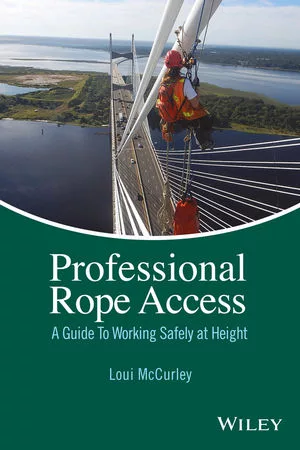
    Professional Rope Access: A Guide To Working Safely at Height

See More Products

Related Directories

  • Safe Site Check In LLC

    Make Jobsite Management Easy(™). Safe Site Check In saves jobsite safety, super, project, and cost managers hours a day including: Digital badging, onboarding & training, Safety screening, Daily log creation Safety JSA, EAP, SDS Project management integration, Subcontractor management, Remote site monitoring, Worker profiles, Incident investigations.
×

Become a Leader in Safety Culture

Build your knowledge with ISHN, covering key safety, health and industrial hygiene news, products, and trends.

JOIN TODAY
  • RESOURCES
    • Advertise
    • Contact Us
    • Directories
    • Manufacturing Division
    • Store
    • Want More
  • SIGN UP TODAY
    • Create Account
    • eMagazine
    • Newsletters
    • Customer Service
    • Manage Preferences
  • SERVICES
    • Marketing Services
    • Reprints
    • Market Research
    • List Rental
    • Survey/Respondent Access
  • STAY CONNECTED
    • LinkedIn
    • Facebook
    • YouTube
    • X (Twitter)
  • PRIVACY
    • PRIVACY POLICY
    • TERMS & CONDITIONS
    • DO NOT SELL MY PERSONAL INFORMATION
    • PRIVACY REQUEST
    • ACCESSIBILITY

Copyright ©2026. All Rights Reserved BNP Media, Inc. and BNP Media II, LLC.

Design, CMS, Hosting & Web Development :: ePublishing