ISHN logo
search
cart
facebook twitter linkedin youtube
  • Sign In
  • Create Account
  • Sign Out
  • My Account
ISHN logo
  • NEWS
    • Today's News
    • Global Safety News
    • Government Regulations
  • PRODUCTS
    • Product Innovations
    • Featured Products
  • TOPICS
    • Environmental Health and Safety
    • Facility Safety
    • Workplace Health
    • Occupational Safety
    • PPE
    • More Topics
  • CONSTRUCTION
  • TECHNOLOGY
  • COLUMNS
    • Best Practices
    • Dave Johnson: What’s going on
    • Editorial Comments
    • Leading Safety
  • MULTIMEDIA
    • ISHN Podcast
    • Videos
    • Cold Stress Education Quiz
    • Webinars
    • White Papers
  • MORE
    • Buyer's Guide
    • Newsletters
    • Convention Companion
    • Polls
    • Events
    • ISHN Store
    • Sponsor Insights
  • EMAGAZINE
    • eMagazine
    • Archived Issues
    • Contact
    • Advertise
  • JOIN TODAY!
Today's Safety NewsWorkplace HealthOil and Gas Industry Safety & Health

EPA to take comments on fracking chemicals transparency
May 12, 2014

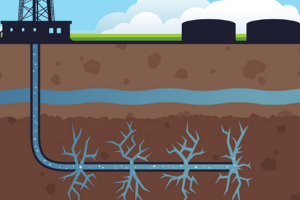
frackingOne of the major controversies involving hydraulic fracturing – or, “fracking” – will be the subject of an EPA inquiry that could lead to new regulations on the industry.

Fracking is a mining technique used to mine natural gas in which water, chemicals and sand are injected injected at high pressure into a wellbore.

The pro and con

The agency is seeking public comment on enhancing transparency for chemicals and mixtures used in in the process – long a bone of contention between environmentalists and public health experts, who want to know what chemicals are potentially affecting human and environmental health and gas extraction companies, who balk at disclosing what they say is proprietary information.

Scientists are worried that the chemicals used in fracking may pose a threat either underground or when waste fluids are handled and sometimes spilled on the surface.

The issue isn’t going away: according to the website www.energyfromshale.com, up to 80 percent of natural gas wells drilled in the next decade will require hydraulic fracturing to properly complete well setup.

Non-regulatory approaches being considered as well

The EPA is seeking public comment on what information could be reported and disclosed for hydraulic fracturing chemicals and mixtures and the approaches for obtaining this information, including non-regulatory approaches. EPA is also soliciting input on incentives and recognition programs that could support the development and use of safer chemicals in hydraulic fracturing. A public process through an Advance Notice of Proposed Rulemaking (ANPR) will help inform EPA’s efforts to promote the transparency and safety ofunconventional oil and gas activities while strengthening protection of our air, water, land and communities.

“EPA looks forward to hearing from the public and stakeholders about public disclosure of chemicals used during hydraulic fracturing, and we will continue working with our federal, state, local, and tribal partners to ensure that we complement but not duplicate existing reporting requirements,” said James Jones, EPA’s assistant administrator for the Office of Chemical Safety and Pollution Prevention.

EPA’s ANPR includes a list of questions for stakeholders and the public to consider as they develop their comments. Following the 90-day comment period, the agency will evaluate the submitted comments as it considers appropriate next steps. Advance Notice of Proposed Rulemakings are intended to engage the public and solicit comments and/or information from the public for EPA’s consideration in addressing a particular issue, including information that EPA could consider in developing non-regulatory approaches or a proposed rule .

Read EPA’s ANPR: http://www.epa.gov/oppt/chemtest/pubs/prepub_hf_anpr_14t-0069_2014-05-09.pdf

KEYWORDS: chemicals Environmental Protection Agency (EPA) oil and gas industry

Share This Story

Looking for a reprint of this article?
From high-res PDFs to custom plaques, order your copy today!

Recommended Content

JOIN TODAY
to unlock your recommendations.

Already have an account? Sign In

  • forklift safety

    Exploring the latest technologies in forklift safety

    With more staff and more stock in warehousing now more...
    Facility Safety
    By: Josh Cramer
  • welding

    All about welder’s flash or arc eye

    A flash burn is a painful inflammation of the cornea,...
    Environmental Health and Safety
  • dangerous jobs

    The 10 most dangerous jobs in the U.S.

    On-the-job deaths have been rising — hitting the highest...
    Government Safety Regulations
    By: Benita Mehta
Manage My Account
  • eMagazine Subscriptions
  • ISHN Newsletter & Other Newsletter Alerts
  • Online Registration
  • Manage My Preferences
  • Subscription Customer Service

More Videos

Sponsored Content

Sponsored Content is a special paid section where industry companies provide high quality, objective, non-commercial content around topics of interest to the ISHN audience. All Sponsored Content is supplied by the advertising company and any opinions expressed in this article are those of the author and not necessarily reflect the views of ISHN or its parent company, BNP Media. Interested in participating in our Sponsored Content section? Contact your local rep!

close
  • man wearing the the Sundström SR200 Full Face Mask Respirator
    Sponsored byOHD

    5 Fit Testing Mistakes That Could Cost You

  • This image shows Magid AcuSpex polarized blue mirrored safety glasses.
    Sponsored byMagid Glove and Safety

    Construction PPE Guide: What Crews Need for Each Task

  • lone worker in confined space
    Sponsored byAlphasense Ltd.

    GET THE LEAD OUT of your Safety Oxygen Sensors!

Popular Stories

SpaceX 7 launch

OSHA Investigating Fatal Fall at SpaceX Starbase

Worker Impairment

How to Tell When a Co-Worker is Impaired? A Safety Pro’s Challenge

psychology in the workplace

Most Workplaces Measure Psychological Safety, Ignoring Psychosocial Risks

top 10 most dangerous jobs

Poll

Seasonal Readiness

With the federal heat stress prevention rule on the horizon, which area of your safety program needs the most attention?
View Results Poll Archive

Products

Surviving an OSHA Audit A Management Guide, 2nd Edition

Surviving an OSHA Audit A Management Guide, 2nd Edition

See More Products

ISHN Podcasts

Related Articles

  • EPA to take action on chemicals used in dyes, flame retardants, and industrial detergents (8/19)

    See More
  • EPA seeks comments on new information about geologic sequestration of carbon dioxide (8/31)

    See More
  • OSHA and NIOSH issue hazard alert on “fracking” worker protection

    See More

Related Products

See More Products
  • A Basic Guide to RCRA—Understanding Solid and Hazardous Waste Management, Second Edition

  • 1118645685.jpg

    Advanced Safety Management: Focusing on Z10 and Serious Injury Prevention, 2nd Edition

See More Products
×

Become a Leader in Safety Culture

Build your knowledge with ISHN, covering key safety, health and industrial hygiene news, products, and trends.

JOIN TODAY
  • RESOURCES
    • Advertise
    • Contact Us
    • Directories
    • Manufacturing Division
    • Store
    • Want More
  • SIGN UP TODAY
    • Create Account
    • eMagazine
    • Newsletters
    • Customer Service
    • Manage Preferences
  • SERVICES
    • Marketing Services
    • Reprints
    • Market Research
    • List Rental
    • Survey/Respondent Access
  • STAY CONNECTED
    • LinkedIn
    • Facebook
    • YouTube
    • X (Twitter)
  • PRIVACY
    • PRIVACY POLICY
    • TERMS & CONDITIONS
    • DO NOT SELL MY PERSONAL INFORMATION
    • PRIVACY REQUEST
    • ACCESSIBILITY

Copyright ©2026. All Rights Reserved BNP Media, Inc. and BNP Media II, LLC.

Design, CMS, Hosting & Web Development :: ePublishing