ISHN logo
search
cart
facebook twitter linkedin youtube
  • Sign In
  • Create Account
  • Sign Out
  • My Account
ISHN logo
  • NEWS
    • Today's News
    • Global Safety News
    • Government Regulations
  • PRODUCTS
    • Product Innovations
    • Featured Products
  • TOPICS
    • Environmental Health and Safety
    • Facility Safety
    • Workplace Health
    • Occupational Safety
    • PPE
    • More Topics
  • CONSTRUCTION
  • TECHNOLOGY
  • COLUMNS
    • Best Practices
    • Dave Johnson: What’s going on
    • Editorial Comments
    • Leading Safety
  • MULTIMEDIA
    • ISHN Podcast
    • Videos
    • Cold Stress Education Quiz
    • Webinars
    • White Papers
  • MORE
    • Buyer's Guide
    • Newsletters
    • Convention Companion
    • Polls
    • Events
    • ISHN Store
    • Sponsor Insights
  • EMAGAZINE
    • eMagazine
    • Archived Issues
    • Contact
    • Advertise
  • JOIN TODAY!
Today's Safety NewsEnvironmental Health and SafetyWorkplace Health

Obese workers get tired faster
July 24, 2014

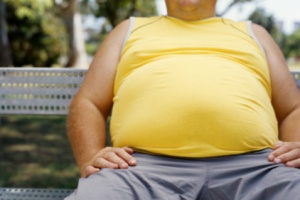
obesityU.S. workplaces may need to consider innovative methods to prevent fatigue from developing in employees who are obese. Based on results from a new study published in the Journal of Occupational and Environmental Hygiene (JOEH), workers who are obese may have significantly shorter endurance times when performing workplace tasks, compared with their non-obese counterparts. 

The study, conducted at Virginia Tech in Blacksburg, Va., examined the endurance of 32 individuals in four categories (non-obese young, obese young, non-obese older, and obese older) who completed three distinct tasks that involved a range of upper extremity demands —  hand grip, intermittent shoulder elevation, and a simulated assembly operation. Each task involved periods of work and rest, and included pacing demands similar to those experienced by workers in manufacturing settings. 

Where the biggest differences occurred

“Our findings indicated that on average, approximately 40 percent shorter endurance times were found in the obese group, with the largest differences in the hand grip and simulated assembly tasks. During those tasks, individuals in the obese group also exhibited greater declines in task performance, though this difference was only evident among females,” said Lora A. Cavuoto, PhD, an assistant professor in the department of industrial and systems engineering at the University at Buffalo, SUNY, in Buffalo, New York.

In addition to examining how obesity affected physical demands and capacity, Cavuoto and her colleagues looked at the interactive effect of obesity and age on endurance times. 

A change from previous findings

“Previous studies have indicated that both age and obesity lead to decreased mobility, particularly when it comes to walking and performing lower extremity tasks. However, we found no evidence of an interactive effect of obesity and age on endurance times, which is contrary to previous findings,” said Maury A. Nussbaum, PhD, a professor in the department of industrial and systems engineering at Virginia Tech, who also worked on the study.

Obesity is associated with physiological changes at the muscular level, including a decrease in blood flow, thereby limiting the supply of oxygen and energy sources. When performing sustained contractions, these physiological changes may lead to a faster onset of muscle fatigue. The prevalence of obesity has doubled over the past three decades, and this increase has been associated with more healthcare costs, higher rates of workplace injury, and a greater number of lost workdays. 

According to Cavuoto and Nussbaum, the results from this and related studies will contribute to a better understanding of the ergonomic impacts of obesity and age, which is important for describing the link between personal factors and the risk of workplace injury. 

Longer breaks, new fixtures

“Workers who are obese may need longer rest breaks to return to their initial state of muscle function. Based on the increased fatigue found among workers who are obese, workplace designers may need to consider adding fixtures and supports to minimize the amount of time that body mass segments need to be supported. We believe our results will help to develop more inclusive ergonomic guidelines,” said Cavuoto. 

Read the full study in the Journal of Occupational and Environmental Hygiene.

KEYWORDS: ergonomics obesity

Share This Story

Looking for a reprint of this article?
From high-res PDFs to custom plaques, order your copy today!

Recommended Content

JOIN TODAY
to unlock your recommendations.

Already have an account? Sign In

  • forklift safety

    Exploring the latest technologies in forklift safety

    With more staff and more stock in warehousing now more...
    Facility Safety
    By: Josh Cramer
  • welding

    All about welder’s flash or arc eye

    A flash burn is a painful inflammation of the cornea,...
    Environmental Health and Safety
  • dangerous jobs

    The 10 most dangerous jobs in the U.S.

    On-the-job deaths have been rising — hitting the highest...
    Transportation Safety
    By: Benita Mehta
Manage My Account
  • eMagazine Subscriptions
  • ISHN Newsletter & Other Newsletter Alerts
  • Online Registration
  • Manage My Preferences
  • Subscription Customer Service

More Videos

Sponsored Content

Sponsored Content is a special paid section where industry companies provide high quality, objective, non-commercial content around topics of interest to the ISHN audience. All Sponsored Content is supplied by the advertising company and any opinions expressed in this article are those of the author and not necessarily reflect the views of ISHN or its parent company, BNP Media. Interested in participating in our Sponsored Content section? Contact your local rep!

close
  • man wearing the the Sundström SR200 Full Face Mask Respirator
    Sponsored byOHD

    5 Fit Testing Mistakes That Could Cost You

  • This image shows Magid AcuSpex polarized blue mirrored safety glasses.
    Sponsored byMagid Glove and Safety

    Construction PPE Guide: What Crews Need for Each Task

  • lone worker in confined space
    Sponsored byAlphasense Ltd.

    GET THE LEAD OUT of your Safety Oxygen Sensors!

Popular Stories

SpaceX 7 launch

OSHA Investigating Fatal Fall at SpaceX Starbase

Worker Impairment

How to Tell When a Co-Worker is Impaired? A Safety Pro’s Challenge

Automated loading dock equipment

After March 2026 Rivian Death, Safety Managers Reassess Loading Dock Systems Under OSHA's Warehouse Emphasis Program

top 10 most dangerous jobs

Poll

Seasonal Readiness

With the federal heat stress prevention rule on the horizon, which area of your safety program needs the most attention?
View Results Poll Archive

Products

Surviving an OSHA Audit A Management Guide, 2nd Edition

Surviving an OSHA Audit A Management Guide, 2nd Edition

See More Products

ISHN Podcasts

Related Articles

  • COVID vaccine

    When can industrial workers get the COVID-19 vaccine?

    See More
  • Disabled workers get injured more both on and off the job

    See More
  • Airport workers get infectious disease control training

    See More

Related Directories

  • SafetyLine Lone Worker

    SafetyLine Lone Worker helps companies monitor the status of workers who are remote, alone, or working in hazardous situations. We are an automated check-in monitoring and emergency notification service. SafetyLine uses its communications infrastructure to ensure that workers have comprehensive monitoring, 24/7, without the need for costly monitoring centers.
  • Magid Glove and Safety

    As your true partner in safety, our mission is to provide the expertise and revolutionary innovations in PPE that help you keep your workers safe. The relationships we build with our customers drive everything we do as we get to know you and your unique needs. Our skilled manufacturing provides the latest innovations and technologies in PPE that you can’t get anywhere else. Our worldwide network of suppliers gives you access to the top brands in safety. We have everything you need to increase safety, reduce spend, and supercharge your workers! Since 1946, fourth generation and family-owned, safety isn't just a job, it's our legacy.
×

Become a Leader in Safety Culture

Build your knowledge with ISHN, covering key safety, health and industrial hygiene news, products, and trends.

JOIN TODAY
  • RESOURCES
    • Advertise
    • Contact Us
    • Directories
    • Manufacturing Division
    • Store
    • Want More
  • SIGN UP TODAY
    • Create Account
    • eMagazine
    • Newsletters
    • Customer Service
    • Manage Preferences
  • SERVICES
    • Marketing Services
    • Reprints
    • Market Research
    • List Rental
    • Survey/Respondent Access
  • STAY CONNECTED
    • LinkedIn
    • Facebook
    • YouTube
    • X (Twitter)
  • PRIVACY
    • PRIVACY POLICY
    • TERMS & CONDITIONS
    • DO NOT SELL MY PERSONAL INFORMATION
    • PRIVACY REQUEST
    • ACCESSIBILITY

Copyright ©2026. All Rights Reserved BNP Media, Inc. and BNP Media II, LLC.

Design, CMS, Hosting & Web Development :: ePublishing