ISHN logo
search
cart
facebook twitter linkedin youtube
  • Sign In
  • Create Account
  • Sign Out
  • My Account
ISHN logo
  • NEWS
    • Today's News
    • Global Safety News
    • Government Regulations
  • PRODUCTS
    • Product Innovations
    • Featured Products
  • TOPICS
    • Environmental Health and Safety
    • Facility Safety
    • Workplace Health
    • Occupational Safety
    • PPE
    • More Topics
  • CONSTRUCTION
  • TECHNOLOGY
  • COLUMNS
    • Best Practices
    • Dave Johnson: What’s going on
    • Editorial Comments
    • Leading Safety
  • MULTIMEDIA
    • ISHN Podcast
    • Videos
    • Cold Stress Education Quiz
    • Webinars
    • White Papers
  • MORE
    • Buyer's Guide
    • Newsletters
    • Convention Companion
    • Polls
    • Events
    • ISHN Store
    • Sponsor Insights
  • EMAGAZINE
    • eMagazine
    • Archived Issues
    • Contact
    • Advertise
  • JOIN TODAY!
Today's Safety NewsOccupational Safety

Healthcare workers aren’t always handling antineoplastic drugs safely
October 7, 2014

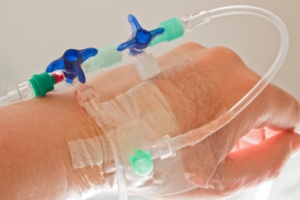
cancer treatmentA new National Institute for Occupational Safety and Health (NIOSH) study published online in the Journal of Occupational and Environmental Hygiene (JOEH) found that recommended safe handling practices for workers who administer antineoplastic drugs in healthcare settings are not always followed.

Results are derived from the 2011 Health and Safety Practices Survey of Healthcare Workers, the largest federally-sponsored survey of healthcare workers in the U.S., which addresses safety and health practices relative to use of hazardous chemicals. This paper presents findings on current administrative and engineering control practices, personal protective equipment (PPE), and barriers to using recommended PPE during administration of antineoplastic drugs by nearly 2,100 oncology nurses and other healthcare personnel who completed a module addressing antineoplastic drug administration.

“Chemotherapy drugs save lives of cancer patients but also can result in adverse health outcomes in workers who are exposed to these drugs, including cancer, reproductive problems, and organ damage when recommended safe handling guidelines are not followed,” said NIOSH Director John Howard, MD. “Safeguarding healthcare workers from potential occupational hazards is an essential part of providing good jobs for these dedicated women and men, and furthering high-quality patient care.”

Findings suggest that best practices are not always used. Below are examples of practices that may increase exposure risk, expressed as percent of respondents:

  • Not always wearing two pairs of chemotherapy gloves (80%) or not even a single pair (15%).
  • Failure to always wear nonabsorbent gown with closed front and tight-fitting cuffs (42%).
  • Intravenous (I.V.) tubing primed with antineoplastic drug instead of a non-drug containing liquid by the respondent (6%) or by the pharmacy department (12%).
  • Potentially contaminated clothing taken home (12%).
  • Spill or leak of antineoplastic drug during administration (12%).
  • Lack of hazard awareness training (4%).
  • Skin contact with antineoplastic drug (4%).

Despite the longstanding availability of authoritative safe handling guidelines (ASHP, NIOSH, ONS, OSHA), recommended exposure controls were not always used. According to NIOSH, this is highly noteworthy considering that there is no safe level of exposure to cancer-causing agents. Reported barriers to using PPE suggest that there is a perception that exposures are inconsequential or so rare that employers or workers feel PPE use is not justified.

The researchers conclude that better risk communication is needed to ensure that employers and employees are fully aware of the hazards and the availability of precautionary measures to minimize exposures. Commitment from all levels in the healthcare organization is essential to adequately protect workers from one of the most toxic classes of chemical agents used in healthcare.

Read the full study in the Journal of Occupational and Environmental Hygiene, which is published jointly by ACGIH® and AIHA.  JOEH enhances the knowledge and practice of occupational and environmental hygiene and safety. It provides a written medium for the communication of ideas, methods, processes, and research in the areas of occupational, industrial, and environmental hygiene; exposure assessment; engineering controls; occupational and environmental epidemiology, medicine, and toxicology; ergonomics; and other related disciplines.

KEYWORDS: hazmat JOEH

Share This Story

Looking for a reprint of this article?
From high-res PDFs to custom plaques, order your copy today!

Recommended Content

JOIN TODAY
to unlock your recommendations.

Already have an account? Sign In

  • forklift safety

    Exploring the latest technologies in forklift safety

    With more staff and more stock in warehousing now more...
    Facility Safety
    By: Josh Cramer
  • welding

    All about welder’s flash or arc eye

    A flash burn is a painful inflammation of the cornea,...
    Environmental Health and Safety
  • dangerous jobs

    The 10 most dangerous jobs in the U.S.

    On-the-job deaths have been rising — hitting the highest...
    Occupational Safety
    By: Benita Mehta
Manage My Account
  • eMagazine Subscriptions
  • ISHN Newsletter & Other Newsletter Alerts
  • Online Registration
  • Manage My Preferences
  • Subscription Customer Service

More Videos

Sponsored Content

Sponsored Content is a special paid section where industry companies provide high quality, objective, non-commercial content around topics of interest to the ISHN audience. All Sponsored Content is supplied by the advertising company and any opinions expressed in this article are those of the author and not necessarily reflect the views of ISHN or its parent company, BNP Media. Interested in participating in our Sponsored Content section? Contact your local rep!

close
  • man wearing the the Sundström SR200 Full Face Mask Respirator
    Sponsored byOHD

    5 Fit Testing Mistakes That Could Cost You

  • This image shows Magid AcuSpex polarized blue mirrored safety glasses.
    Sponsored byMagid Glove and Safety

    Construction PPE Guide: What Crews Need for Each Task

  • lone worker in confined space
    Sponsored byAlphasense Ltd.

    GET THE LEAD OUT of your Safety Oxygen Sensors!

Popular Stories

SpaceX 7 launch

OSHA Investigating Fatal Fall at SpaceX Starbase

Automated loading dock equipment

After March 2026 Rivian Death, Safety Managers Reassess Loading Dock Systems Under OSHA's Warehouse Emphasis Program

psychology in the workplace

Most Workplaces Measure Psychological Safety, Ignoring Psychosocial Risks

top 10 most dangerous jobs

Poll

Seasonal Readiness

With the federal heat stress prevention rule on the horizon, which area of your safety program needs the most attention?
View Results Poll Archive

Products

Surviving an OSHA Audit A Management Guide, 2nd Edition

Surviving an OSHA Audit A Management Guide, 2nd Edition

See More Products

ISHN Podcasts

Related Articles

  • NIOSH updates list of drugs that pose a risk to healthcare workers

    See More
  • NIOSH IDs 34 drugs that endanger healthcare workers

    See More
  • NIOSH IDS 34 drugs that pose a risk to healthcare workers

    See More

Related Products

See More Products
  • 111885960X.jpg

    Professional Rope Access: A Guide To Working Safely at Height

See More Products
×

Become a Leader in Safety Culture

Build your knowledge with ISHN, covering key safety, health and industrial hygiene news, products, and trends.

JOIN TODAY
  • RESOURCES
    • Advertise
    • Contact Us
    • Directories
    • Manufacturing Division
    • Store
    • Want More
  • SIGN UP TODAY
    • Create Account
    • eMagazine
    • Newsletters
    • Customer Service
    • Manage Preferences
  • SERVICES
    • Marketing Services
    • Reprints
    • Market Research
    • List Rental
    • Survey/Respondent Access
  • STAY CONNECTED
    • LinkedIn
    • Facebook
    • YouTube
    • X (Twitter)
  • PRIVACY
    • PRIVACY POLICY
    • TERMS & CONDITIONS
    • DO NOT SELL MY PERSONAL INFORMATION
    • PRIVACY REQUEST
    • ACCESSIBILITY

Copyright ©2026. All Rights Reserved BNP Media, Inc. and BNP Media II, LLC.

Design, CMS, Hosting & Web Development :: ePublishing