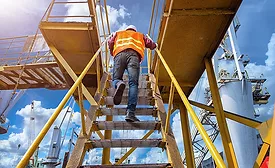
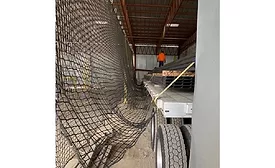
Ladders 1926.1053 was the sixth most-frequently cited agency standard in FY 2019. Specialty Trade Contractors and Construction of Buildings earned the lion’s share of OSHA citations for violations of standard 1926.1053, with employers in the first category...
Fall Protection – Training Requirements (1926.503) was the eighth most-frequently cited agency standard in FY 2019. Construction industry employers filled the top three categories of most-cited industries for violations of this standard.
ANSI/ISEA 121-2018 is a standard that consists of design, testing, performance and labeling requirements for tool tethering systems and containers used to transport and secure tools and equipment at heights.
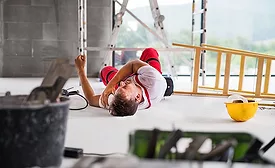
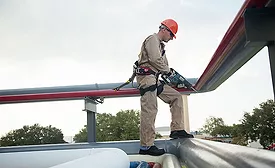
Fall protection has been the number one most frequently cited OSHA violation for several years now, which means, worksites simply are not understanding the need to keep employees upright. Employers continue to take significant unnecessary “risk” when it comes to workplace slips, trips and falls by not taking the appropriate measures in evaluating their worksites.
ANSI/ISEA 121-2018 is a standard that consists of design, testing, performance and labeling requirements for tool tethering systems and containers used to transport and secure tools and equipment at heights.
In a notice published Tuesday in the Federal Register, OSHA issued corrections to its Walking-Working Surfaces Personal Protective Equipment (Fall Protection Systems), and Special Industries (Electric Power Generation, Transmission, and Distribution) rule. They include:
Dollar Tree gets hit with a new set of the same old violations, Exxon loses a legal bid to keep refinery blast info from the CSB and nominations open for National Safety Council awards for safety professionals. These were among the top stories featured on ISHN.com this week.
OSHA has again cited Chanell Roofing and Home Improvement LLC – based in Cleveland, Ohio – for exposing employees to fall hazards. The company faces penalties totaling $200,451 for violations of OSHA’s fall protection standards at two separate jobsites in Avon, Ohio. OSHA inspectors cited the company for two willful violations for failing to install and require the use of a guardrail, safety net, or personal fall arrest system while employees worked on residential roofs.
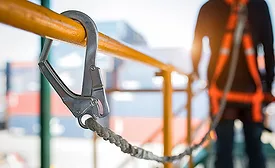
Imagine that on the first day at your new job, the foreman tosses you a harness and a 6-foot lanyard and says, “Be careful out there!” That may seem like an extreme example of a woefully inadequate fall protection training program, but I will bet dollars to donuts it happens more often than we think.