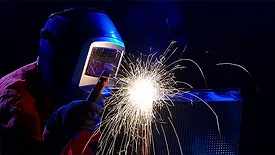
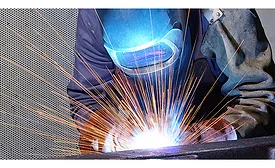
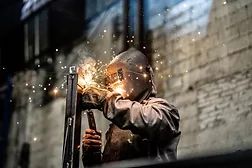
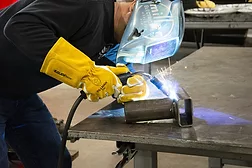
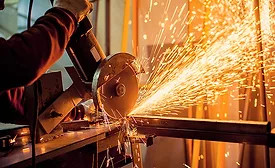
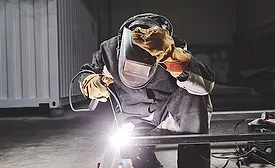
Welding is an essential part of numerous manufacturing and assembly processes, employing more than 400,000 people in the United States alone. Because of the nature of the job — working with high temperatures and molten metals — injuries are likely.
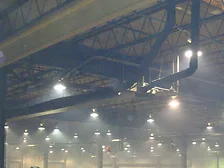
Most welding and cutting operations generate dangerous fumes and particulates. Here are several important factors you should know to better manage metal processing fumes to maintain a safe metalworking environment.
True to its reputation of providing unparalleled protective welding gear for over 90 years, the John Tillman Company announced its new MIG (Metal Inert Gas) welding glove.
The hazardous metals that first come to mind related to welding and cutting are lead, chromium, zinc and perhaps beryllium. Manganese doesn’t have the same recognition in terms of risk in the general population.
Dust particles become airborne during indoor metalworking processes like welding and plasma cutting. They also become airborne during the manufacturing and processing of food, chemicals, pharmaceuticals and other dry products.
In welding operations, controlling airborne dust and fumes is crucial to prevent respiratory problems in employees and to keep facilities in compliance with air quality requirements.