The guide provides a structure by which employers can assess, plan, and implement strategies and practices that support mine worker mental health and address harmful opioid use.
Educating the public and the business community about opioid use disorder is challenged by a stereotype many people carry with them — the street junkie living in a tent.
While substance abuse poses a significant risk to society at large, for businesses it can have negative impacts on employees, managers, and even customers. Among the 75% of businesses impacted, fewer than 17% feel prepared to handle them.
An effective substance abuse testing program safeguards your employees and workplace against injuries and illnesses, or other incidents caused by substance abuse or misuse.
The drug overdose epidemic continues to afflict our country. Nationally, there were more than 70,000 drug overdose deaths in 2017 i involving opioids (such as fentanyl, heroin and hydrocodone), stimulants (such as cocaine and methamphetamine), and alcohol.ii Nearly 70% of these deaths involved an opioid.ii
People who live in U.S. counties where automobile assembly plants close are much more likely to die of opioid overdoses than the general public, according to a study published on the JAMA network. Researchers compared data between counties with automotive plants that were closed between 1999 and 2016 with those that remained open. Automotive assembly plant closures were associated with a statistically significant increase in county-level opioid overdose mortality rates among adults aged 18 to 65 years.
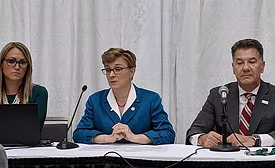
Lorraine M. Martin, NSC president and CEO, and Joseph A. Reuter, Stericycle executive vice president and chief people officer, spoke to the media Monday morning to discuss the NSC’s new Opioids at Work Employer Toolkit. The toolkit, which will officially be released on September 18, includes more than two dozen resources for four specific groups found in a typical workplace setting: supervisors, HR professionals, safety professionals and employees.