ISHN logo
search
cart
facebook twitter linkedin youtube
  • Sign In
  • Create Account
  • Sign Out
  • My Account
ISHN logo
  • NEWS
    • Today's News
    • Global Safety News
    • Government Regulations
  • PRODUCTS
    • Product Innovations
    • Featured Products
  • TOPICS
    • Environmental Health and Safety
    • Facility Safety
    • Workplace Health
    • Occupational Safety
    • PPE
    • More Topics
  • CONSTRUCTION
  • TECHNOLOGY
  • COLUMNS
    • Best Practices
    • Dave Johnson: What’s going on
    • Editorial Comments
    • Leading Safety
  • MULTIMEDIA
    • ISHN Podcast
    • Videos
    • Cold Stress Education Quiz
    • Webinars
    • White Papers
  • MORE
    • Buyer's Guide
    • Newsletters
    • Convention Companion
    • Polls
    • Events
    • ISHN Store
    • Sponsor Insights
  • EMAGAZINE
    • eMagazine
    • Archived Issues
    • Contact
    • Advertise
  • JOIN TODAY!
Occupational SafetyEnvironmental Health and SafetyWorkplace Health

Preventing Prescription Drug Misuse: A Workplace Safety Strategy Employers Can’t Overlook

By Joe Guerriero
Prescription drug abuse
Getty Images

Credit: Getty Images

April 29, 2026

Substance use disorder (SUD) is often viewed as a public health issue, but for safety professionals, it is increasingly a workplace risk management challenge.

Millions of Americans experiencing substance misuse are part of the workforce, and the impacts show up in ways safety leaders recognize immediately: increased incident rates, higher workers’ compensation claims, absenteeism, and reduced situational awareness on the job. 

For organizations focused on injury prevention and operational reliability, substance misuse is not a peripheral issue, it is a direct threat to workplace safety performance.


The Hidden Risk: Prescription Drug Diversion

While illicit drugs often dominate safety discussions, many cases of substance misuse begin with medications that were legally prescribed.

Prescription opioids and other controlled substances remain widely used to treat workplace and non-workplace injuries. Once dispensed, however, these medications are frequently stored unsecured in homes, vehicles, or even workplaces.

This creates conditions for prescription drug diversion — when medications intended for one individual are accessed by others.

Research consistently shows that most individuals who misuse prescription painkillers obtain them from friends or family members rather than from drug dealers. 

For safety professionals, this presents a critical challenge:

  • Employees may be exposed to controlled substances outside of medical supervision
  • Misuse can begin unintentionally and escalate
  • Impairment risks may not be immediately visible through traditional workplace controls

In safety-sensitive environments, even minor impairment can increase the likelihood of incidents, near misses, and serious injuries.


Why This Matters for Safety Programs

Substance misuse directly affects key safety performance indicators, including:

  • incident and injury rates
  • near-miss frequency
  • workers’ compensation claims
  • return-to-work outcomes
  • overall safety culture

Employees affected by substance misuse, or by stressors within their household, may experience reduced concentration, slower reaction times, and impaired judgment.

Traditional approaches such as drug testing and Employee Assistance Programs (EAPs) are important, but they are reactive controls. By the time they are triggered, the safety risk may already be present.

For safety leaders, this creates a gap:

How do you reduce risk before impairment reaches the workplace?


A Prevention-Based Control: Securing Access to Medications

One emerging approach is to treat prescription drug access as a hazard control issue, similar to how organizations manage exposure to chemicals, tools, or other risks.

Locking prescription vials (LPVs) provide a simple but effective control by restricting unauthorized access to medications. These containers allow patients to secure prescriptions with a combination lock, ensuring only the intended user can access them. 

From a safety perspective, this aligns with a familiar principle: When access to a hazard is controlled, risk is reduced.

A useful precedent is the Poison Prevention Packaging Act of 1970, which introduced child-resistant packaging and significantly reduced accidental poisonings. 

Similarly, limiting access to controlled medications can reduce diversion and help prevent misuse before it begins.


Integrating Medication Safety into EHS Programs

Safety leaders can incorporate prescription drug diversion prevention into existing programs without significant operational burden.

Practical steps include:

  1. Awareness and Training
     Include medication safety and diversion risks in safety meetings, onboarding, or toolbox talks.
  2. Workforce Education
     Provide clear guidance on safe storage of controlled medications at home and, where applicable, at work.
  3. Distribution of Secure Storage Tools
     Offer locking prescription vials through wellness programs, safety initiatives, or employee assistance programs.
  4. Alignment with Existing Policies
     Integrate medication safety into broader impairment, fitness-for-duty, and workplace safety policies.
  5. Collaboration Across Functions
     Coordinate with HR, benefits, and risk management teams to ensure a consistent approach.


Strengthening Safety Culture Beyond the Worksite

Safety culture does not stop at the facility gate. Many risk factors that affect workplace safety originate outside the workplace, including fatigue, stress, and substance misuse. Addressing these upstream factors is consistent with a proactive safety management approach.

By helping employees reduce exposure to controlled substances through better storage and awareness, organizations can:

  • reduce impairment-related risks
  • support safer decision-making on the job
  • reinforce a culture of prevention
  • improve overall workforce health and reliability


A Practical Step Forward

For safety professionals, the goal is always the same: reduce risk before incidents occur.

Prescription drug diversion represents an often-overlooked pathway to workplace impairment. Addressing it does not require complex systems or significant capital investment,  it can begin with simple, practical controls that limit access and raise awareness.

As organizations continue to evolve their safety strategies, incorporating prevention-focused measures like secure medication storage can play a meaningful role in protecting workers and strengthening overall safety performance.

KEYWORDS: drugs prescription medication substance abuse

Share This Story

Looking for a reprint of this article?
From high-res PDFs to custom plaques, order your copy today!

Joe Guerriero is Chief Commercial Officer, Public & Private Markets, at Safe-RX. 

Recommended Content

JOIN TODAY
to unlock your recommendations.

Already have an account? Sign In

  • forklift safety

    Exploring the latest technologies in forklift safety

    With more staff and more stock in warehousing now more...
    Workplace Training Strategies
    By: Josh Cramer
  • welding

    All about welder’s flash or arc eye

    A flash burn is a painful inflammation of the cornea,...
    Environmental Health and Safety
  • dangerous jobs

    The 10 most dangerous jobs in the U.S.

    On-the-job deaths have been rising — hitting the highest...
    Transportation Safety
    By: Benita Mehta
Manage My Account
  • eMagazine Subscriptions
  • ISHN Newsletter & Other Newsletter Alerts
  • Online Registration
  • Manage My Preferences
  • Subscription Customer Service

More Videos

Sponsored Content

Sponsored Content is a special paid section where industry companies provide high quality, objective, non-commercial content around topics of interest to the ISHN audience. All Sponsored Content is supplied by the advertising company and any opinions expressed in this article are those of the author and not necessarily reflect the views of ISHN or its parent company, BNP Media. Interested in participating in our Sponsored Content section? Contact your local rep!

close
  • man wearing the the Sundström SR200 Full Face Mask Respirator
    Sponsored byOHD

    5 Fit Testing Mistakes That Could Cost You

  • This image shows Magid AcuSpex polarized blue mirrored safety glasses.
    Sponsored byMagid Glove and Safety

    Construction PPE Guide: What Crews Need for Each Task

  • lone worker in confined space
    Sponsored byAlphasense Ltd.

    GET THE LEAD OUT of your Safety Oxygen Sensors!

Popular Stories

SpaceX 7 launch

OSHA Investigating Fatal Fall at SpaceX Starbase

Automated loading dock equipment

After March 2026 Rivian Death, Safety Managers Reassess Loading Dock Systems Under OSHA's Warehouse Emphasis Program

psychology in the workplace

Most Workplaces Measure Psychological Safety, Ignoring Psychosocial Risks

top 10 most dangerous jobs

Poll

Seasonal Readiness

With the federal heat stress prevention rule on the horizon, which area of your safety program needs the most attention?
View Results Poll Archive

Products

Surviving an OSHA Audit A Management Guide, 2nd Edition

Surviving an OSHA Audit A Management Guide, 2nd Edition

See More Products

ISHN Podcasts

Related Articles

  • Airtox at AplusA

    Flashy Exhibits, Massive Booth Displays at A+A Workplace Safety Trade Fair

    See More
  • Croc stunt a workplace safety violation?

    See More
  • Clues to opioid abuse from state prescription drug monitoring programs

    See More

Related Products

See More Products
  • 9781138749573.jpg

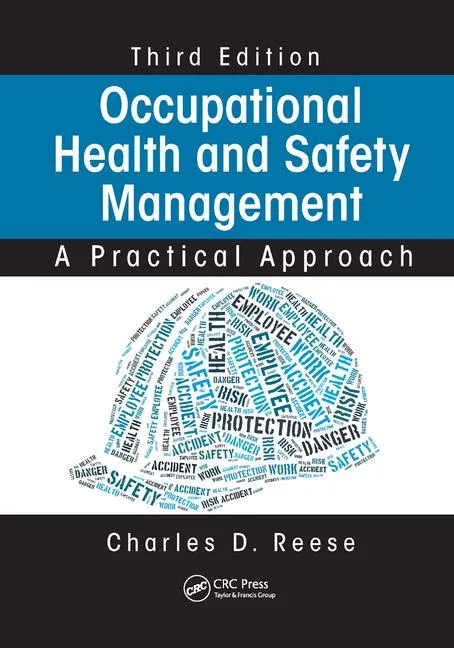
    Occupational Health and Safety Management: A Practical Approach, Third Edition

  • 9780367861148.jpg

    LEAD Safety A Practical Handbook for Frontline Supervisors and Safety Practitioners

See More Products

Related Directories

  • EssilorLuxottica Prescription Safety Eyewear

    Our Prescription Safety Eyewear division is proud to introduce SightProtect—a next-generation safety eyewear program designed to elevate workplace eye protection. Built on three core pillars missing from many of today’s existing Prescription Safety Eyewear Programs—SightProtect delivers a seamless, electronically managed, and brand-rich experience for employers, their teams, and our eyecare provider partners. With our unmatched portfolio of trusted brands and a vertically integrated model, we make it easier than ever to protect vision on the job—without compromising on style, comfort, or performance.
×

Become a Leader in Safety Culture

Build your knowledge with ISHN, covering key safety, health and industrial hygiene news, products, and trends.

JOIN TODAY
  • RESOURCES
    • Advertise
    • Contact Us
    • Directories
    • Manufacturing Division
    • Store
    • Want More
  • SIGN UP TODAY
    • Create Account
    • eMagazine
    • Newsletters
    • Customer Service
    • Manage Preferences
  • SERVICES
    • Marketing Services
    • Reprints
    • Market Research
    • List Rental
    • Survey/Respondent Access
  • STAY CONNECTED
    • LinkedIn
    • Facebook
    • YouTube
    • X (Twitter)
  • PRIVACY
    • PRIVACY POLICY
    • TERMS & CONDITIONS
    • DO NOT SELL MY PERSONAL INFORMATION
    • PRIVACY REQUEST
    • ACCESSIBILITY

Copyright ©2026. All Rights Reserved BNP Media, Inc. and BNP Media II, LLC.

Design, CMS, Hosting & Web Development :: ePublishing