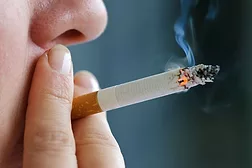
Nearly half a million Americans still die prematurely from tobacco use each year despite the fact that it is the single most preventable cause of disease, disability, and death in the U.S.1, 2. So what can be done to prevent the toll of smoking in the U.S.? The workplace is an important setting for implementing tobacco control interventions. 3, 4
A label showing added sugars content on all packaged foods and sugary drinks could have substantial health and cost-saving benefits in the United States over the next 20 years, according to a new study published in the American Heart Association’s journal Circulation. Using a validated model, researchers were able to estimate a significant reduction in cardiovascular disease and type 2 diabetes cases from 2018 to 2037, if such a mandated addition to the Nutrition Label was implemented.
A groundbreaking new hazard analysis formula is expected to significantly aid users in preventing Legionella growth in buildings' water systems. Designed by J. David Krause, Ph.D., MSPH, CIH, vice chair of AIHA's Indoor Air Quality Committee and a nationally known expert in toxicology, public health and risk assessment, the tool evaluates the combined effectiveness of control measures used to prevent Legionella and other waterborne pathogens.
A downside of telemedicine visits, a safety coordinator and another manager indicted for obstructing an OSHA workplace fatality investigation and smartphone lessons from GM’s ban on using them while walking. These were among the top stories featured on ISHN.com this week.
Bullard, a global leader in personal protective equipment, is teaming with the Firefighter Cancer Support Network (FCSN) in their mission to aid firefighters and their families following a cancer diagnosis. Today, at the Bullard booth (#511) at FDIC (Fire Department Instructors Conference) Wells Bullard, CEO of Bullard and Peter Lugo, President and COO of Bullard presented Lisa Raggio, Executive Director of FCSN, and Trey Kelson, CFO of FCSN, with a donation of $10,000.
Researchers from Boston University Schools of Medicine and Public Health have developed and evaluated a fast, accurate and cost-effective approach to assessing the carcinogenicity of chemicals—that is, whether exposure to a chemical increases a person’s long-term cancer risk. As a result, they have generated one of the largest toxicogenomics datasets to date, and have made the data and results publicly accessible through a web portal at carcinogenome.org.
CVS Health has been awarded the American Lung Association’s (ALA) Outstanding Corporate Partner of the Year award in recognition of the company’s support over the past five years to advance the ALA’s efforts to defeat lung cancer.
"Five years ago the American Lung Association launched LUNG FORCE because lung cancer was not on women's health radar, and we wanted the public to understand that lung cancer is actually the number one cancer killer among women," said ALA National President and CEO Harold Wimmer.
People under age 40 who are diagnosed with Type 2 diabetes are more likely to have or die from cardiovascular disease than those of similar age without diabetes and the excess risks were more pronounced in younger women, according to new research in the American Heart Association’s journal Circulation.
Researchers also found the excess risk for death, regardless of cause, for people diagnosed with Type 2 diabetes at age 80 or older significantly decreased and was the same as those of similar age without diabetes.
The National Institutes of Health (NIH) is warning of a “converging public health crisis,” as the nation’s opioid epidemic fuels growing rates of certain infectious diseases, including HIV/AIDS, hepatitis, heart infections, and skin and soft tissue infections. Infectious disease and substance use disorder professionals must work together to stem the mounting public health threat, according to a new commentary in the Journal of Infectious Diseases.
E-cigarettes can release airborne contaminants that may affect both the people using them and those nearby. That’s one of the conclusions of a white paper (PDF) that’s just been released by the American Industrial Hygiene Association (AIHA) – one which reviews current scientific information and evaluates the impacts of chemicals used in e-cigarettes as well as those emitted from them. The resource was developed by AIHA's Indoor Environmental Quality Committee and Risk Committee.