The National Safety Council announced the launch of the NSC Safety Ambassador Program, which encourages individuals to bring safety back home and into their communities by participating in activities that educate about the leading causes of preventable death and injury.
Despite mounting casualties from crashes of recreational off-highway vehicles, the U.S. Consumer Product Safety Commission has shot down a proposal to track injuries and deaths involving the popular trail machines.
Hurricane Michael – now a cyclone – has claimed 11 lives in four states so far, and officials are warning that the storm is again gaining strength and will continue to pose a danger.
News reports say Virginia has been hit the hardest, with five people killed.
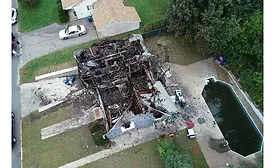
The spectacular series of natural gas blasts and ensuing fires that leveled homes, killed one person and injured 21 others occurred as work crews were in the process of updating the 118-year-old gas distribution system that serviced the area. A preliminary report by the NTSB says the catastrophe occurred after high-pressure natural gas was released into a cast-iron, low-pressure distribution system that had been installed in the early 1900s.
Easily implemented data enables organizations to better protect their people
October 9, 2018
Baron, the worldwide provider of critical weather intelligence, announces Telematics for Public Safety, a technology that uses accurate, patented technology to aid organizations in keeping their employees, students, and customers safe.
Fire Prevention Week, October 7-13, works to educate public about ways to stay safe
September 28, 2018
If you have a home fire today, you are more likely to die in it than you were in 1980, according to the National Fire Protection Association (NFPA). This startling fact is attributed to several factors, including the way homes are built and the contents in them.
As those of you who read my posts on the Lac Megantic disaster where 47 people were incinerated by a “bomb train” that derailed in the middle of town, brakes on trains are complicated and often fallible safety devices. This is how they work: A brake pipe runs the length of the train which supplies air to reservoirs mounted on each of the cars.
An airline crew’s failure to pay attention to important pre-flight information was behind a near-miss at San Francisco International Airport on July 7, 2017.
That’s the conclusion of a National Transportation Safety Board (NTSB) report on how an Air Canada flight mistakenly lined up with a taxiway instead of the runway it was cleared to land on. Four airplanes were on that taxiway, waiting for clearance to take off.
Making sure headlights are aimed where they should be aimed and incorporating collision avoidance technology are two ways to improve pedestrian safety in the U.S., according to a new report from the National Transportation Safety Board (NTSB).
The steady increase in pedestrian fatalities caused by vehicle crashes – which have risen every year since 2009 – caused the NTSB to issue a Pedestrian Safety Special Investigation Report based on its investigations into 15 highway crashes between April 24 and Nov. 3, 2016 in which vehicles struck and killed pedestrians. Some 5,987 pedestrians were killed in 2016 because of vehicle crashes.
A new bill would give feds the legal authority to shoot down drones that are deemed “credible threats” to national security. The problem – say critics – is that the bill doesn't define credible threats or specify target areas. It may also allow the federal government to sidestep laws requiring authorities to get courts for permission to conduct surveillance.