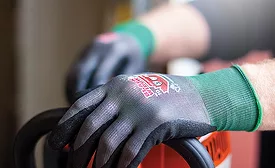
With all of the different options available on the market these days, it’s understandable that choosing the perfect pair of work gloves can seem daunting.
Leading fall protection and safety specialists tour U.S. to educate construction workers about fall protection and dropped object prevention during 2016 National Safety Stand-Down
April 12, 2016
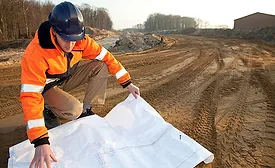
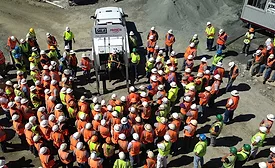
3M’s Capital Safety will host fall protection demonstrations throughout the U.S. May 2-6, 2016, during OSHA’s National Safety Stand-Down. Capital Safety has historically been involved in OSHA’s Stand Down and is proud to participate in this campaign to remind and educate employers and workers in the construction industry about the serious dangers of falls and dropped objects.
In 1996, when a training program was developed for sales and marketing personnel from personal protective equipment (PPE) manufacturers and distributors, nobody looked 20 years into the future. It started as a project jointly sponsored by the International Safety Equipment Association (ISEA) and the former Safety Equipment Distributors Association.
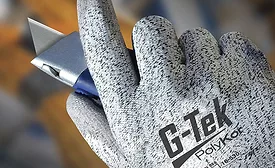
Glove technology has advanced so quickly in the past 20 years that gloves not only protect hands, but also help increase efficiency. Coated knits offer workers snag-free protection and high tactility grip.
With all of the different options available on the market these days, it’s understandable that choosing the perfect pair of work gloves can seem daunting.
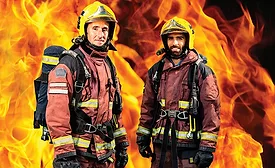
Too often there are times when individuals experience thermal hazards while not wearing the proper flame-resistant clothing or no flame-resistant clothing at all.
After issuing a historic final rule on silica exposure limits last week, OSHA continues its burst of regulatory activity this week by publishing a final rule that updates requirements for personal protective equipment (PPE) for workers in general industry, shipyards, longshoring, marine terminals and construction.
Eye injuries in the workplace are very common. More than 2,000 people injure their eyes at work each day. About 1 in 10 injuries require one or more missed workdays to recover from. Of the total amount of work-related injuries, 10-20 % will cause temporary or permanent vision loss.
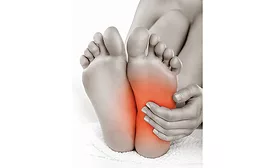
In today’s economy, with the emphasis on service sector jobs, research points out almost half of all workers worldwide spend more than three-quarters of their workday on their feet.