Wearing high visibility clothing requires comfort, fit and worker input
At about 9:30 in the morning, a 55-year-old excavator worker was struck by a car while standing in a two-lane state highway. He was acting as a spotter so that the driver of a dump truck could safely back out of a roadway. The accident occurred just as the worker stepped out onto the highway. Investigators say the worker was dressed in dark pants, a dark shirt, and was wearing no high visibility garments of any kind.
The posted speed along this roadway was 35 miles per hour and the State Patrol investigating the accident believed the driver was driving about 38 mph. There was no reported indication that the driver was “under the influence” or distracted while driving. There were, however, no posted signs along the roadway indicating road work ahead or warnings of any kind. The driver of the car said he simply did not see the worker.
This is a recap of a true story that occurred in Washington State in 2002. As to who was at fault for the accident, there was no indication blame was placed on the driver. Instead, it was most likely directed at the fact that no warning signs of any kind were posted in the area -- but more specifically, because the worker was not wearing any form of high visibility (HV) clothing.
Road worker fatalities
The U.S. Bureau of Labor Statistics reports there were 101 worker fatalities at road construction sites in 2008; this jumped to122 in 2011 and 133 in 2012.1
While the statistics do not report why or how these fatalities occurred, what can be surmised is that if the workers had been wearing HV clothing and protective gear, some, perhaps many, of these fatalities could have been prevented.
So if high visibility clothing can help save lives, what do employers need to do to make sure their workers are protected? And flipping the coin to the other side, how can we get workers to “buy in” to the need for high visibility protective clothing and motivate them to wear it at the job site?
It’s apparent that the need is real; and fortunately, there are ways to address these questions that can help save lives.
HV defined
High visibility (HV) garments are defined as any type of clothing specifically designed to make the wearer more noticeable any time of day. These items fall into the category of personal protective equipment (PPE) and will carry an ANSI/ISEA label listing such characteristics as the following:
- The name of the manufacturer or other means of identifying the manufacturer
- A designation as to the product type (Class 1 is when there is ample separation between the worker and motor vehicles; Class 2 garments are worn during inclement weather and/or when the worker is in closer proximity to traffic and higher speed traffic)
- What the garment is made of (reflective material)
- The specific ANSI/ISEA standard (usually ANSI/ISEA 107) 2
- Level of performance for the retroflective material
- Wash and care instructions
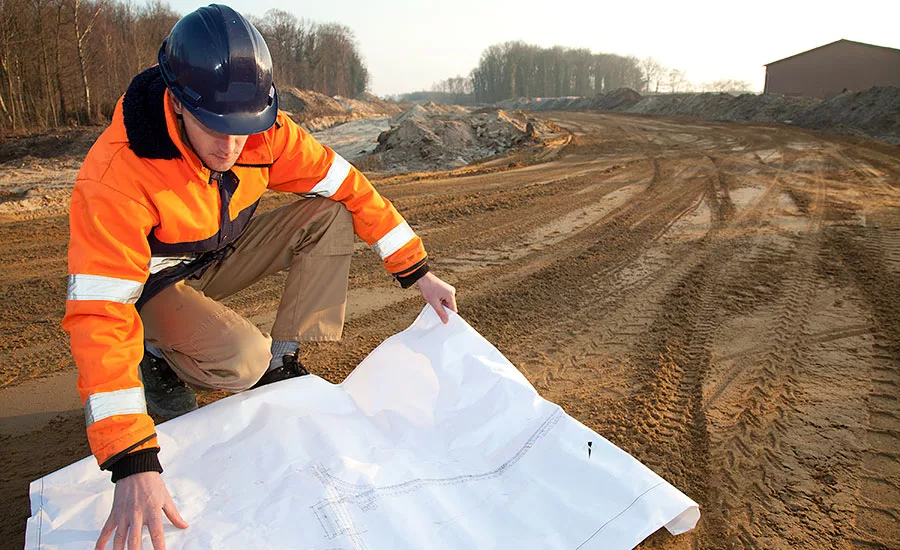
HV garments are usually composed of high-quality fluorescent materials and/or typically come in colors such as yellow/green; orange/red; or red. Reflective tape may also be added to areas such as arms, waist, and torso to make it clearly visible to drivers that the wearer is indeed a person and not a warning sign or a traffic control device.
Many times workers choose to wear just HV vests because they are more comfortable. While this certainly will help improve worker safety and is a key step in the right direction, some studies have indicated that full-body HV garments enhance visibility, especially at evening work sites, which helps ensure worker safety.
The employer’s responsibility
Ultimately, getting workers to wear HV garments and other protective gear, and to want to wear these garments, is the responsibility of the employer. The employer’s due diligence in addressing the following issues will help ensure that workers have and wear appropriate HV protective clothing.
Before selecting HV garments or PPE of any kind, it is the employer’s responsibility to fully understand the work environment for his or her staff and to conduct a thorough hazard assessment. Depending on the assessment results, workers may need more than HV garments. They may also need to wear specially designed hoods, shirts, pants, or head gear, as well as protective eyewear.
Employers are also advised to check recent standards and regulations by OSHA and other governing bodies as they pertain to HV clothing. Often these standards and regulations reflect minimum performance requirements. An astute employer will likely want to select garments and other PPE that surpass these minimum standards.
Employers also must consider such things as worker comfort to help ensure workers can effectively work while wearing the garment. Remember, the worker may have bulky clothing underneath the HV garment, which can affect comfort. The garment should fit correctly on the body and stay in place while working; there should be no rough or sharp edges that could cause skin irritation; and the HV gear should be as lightweight as possible. The more comfortable the garment, the easier it is to work in, the more likely it will be worn.
However, one aspect is often overlooked. This is especially true when it comes to protective eye gear but it can also apply to all types of PPE, including HV garments. And that is, very simply, it has to look good. In order to get worker “buy in,” the worker must like the way they look working in the garment. This may sound very subjective, but it can be the factor that determines whether or not a protective garment is worn at the work site.
One of the best ways to accomplish this is to include workers in the selection process. Along with checking out the appearance of the garments, let workers wear them, and if possible, wear them at a work site. We know how important HV garments are. Achieving this buy-in helps ensure worker compliance — and worker safety — later on.
1 The National Institute for Occupational Safety and Health (NIOSH)
2 American National Standard for High-Visibility Safety Apparel and Headgear
Looking for a reprint of this article?
From high-res PDFs to custom plaques, order your copy today!