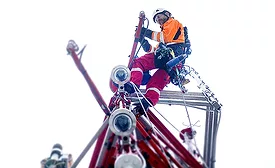
As the second leading preventable workplace injury, falls plague the workforce. The impact of fall related injuries is felt heavily in service-providing industries as well as transportation, utilities and the health care sector.
A total of 5,333 workers died as a result of on-the-job injuries in 2019 – a 1.6% increase from 2018 and the highest number of fatalities since 5,657 were recorded in 2007, according to Census of Fatal Occupational Injuries data released Dec. 16 by the Bureau of Labor Statistics.
The American Society of Safety Professionals (ASSP), the world’s oldest professional safety organization, is urging employers to be more active in adopting voluntary national consensus standards and implementing safety and health management systems in response to newly released fatality data from the U.S. Bureau of Labor Statistics (BLS).
The National Safety Council is alarmed to see a 2% rise in total worker deaths – 5,333 fatal workplace injuries in 2019 compared to 5,250 in 2018 – according to data released on Wednesday, December 16 by the Bureau of Labor Statistics.
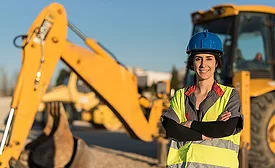
Women have made amazing strides in many fields and industries throughout the 20th and 21st centuries. Unfortunately, there are many others in which it remains a big challenge for a woman to rise to the top — or even, in some cases, to enter the industry at all.
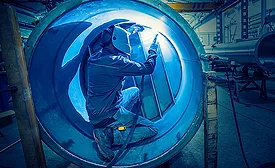
Remote work is often not an option for those with hands-on and in-person work to do, such as many of those employed in the construction, manufacturing and energy industries. Employers and employees in these and other similarly-situated industries rapidly adapted
My first recollection of the harm a dropped object can cause was in my youth when touring the Empire State Building in New York City. I remember over-hearing, “If you drop a penny or pen from the Empire State Building and it lands on someone, it could kill them.” You may have heard this anecdote too.
Construction and demolition sites are among the most hazardous work environments, especially when multiple contractors and employers introduce operational complexities to a job site. A newly revised standard from the American Society of Safety Professionals (ASSP) and American National Standards Institute (ANSI) helps employers keep construction workers safe by describing best practices they can implement to take safety programs to the next level.