With spring’s warmer temperatures, many workers may be heading off to new jobs in construction. As one of the most dangerous occupations in the United States, construction poses the greatest safety and health risks to new workers, according to the Bureau of Labor Statistics.
Death by Trench: Equipment World has just completed a special report on trench hazards and the dozens of preventable deaths that happen ever year. Most chilling is the piece on survivors who tell of the terror they felt being buried under tons of soil.
OSHA announced Friday that it will extend the comment period on the proposed rule on crane operator certification. Comments will now be accepted through July 5, 2018. This extension allows stakeholders more time to review the proposed rule.
If you could prevent 29 worker deaths and 5,842 lost-workday injuries each year1, would you? Those estimates were a major reason OSHA updated 1971’s General Industry CFR 1910 regulations for Walking-Working Surfaces and Personal Fall Protection Systems at the end of 2016.
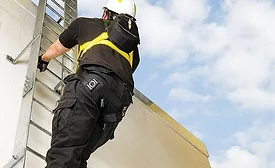
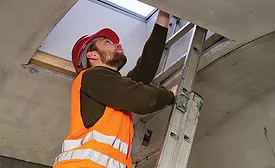
Because using a ladder is such a familiar skill, it can be easy to overlook the need for safe operating procedures in the workplace. However, ladders continue to be a contributing factor in more than 150 fatalities and 20,000 non-fatal workplace injuries each year.
One man was killed and another injured at a New York City construction site when a large piece of glass fell from one of Manhattan’s tallest skyscrapers.
According to news reports, 67-year-old security guard Harry Ramnauth died and a 27-year-old sustained injuries that required hospitalization when the eight-foot-by-14-foot glass panel fell at around 10:30 on Saturday morning.
Many manufacturers use one of two options to clear the air of welding fumes – filter the dirty air and recirculate clean air inside the facility, or exhaust the dirty air outside and provide clean replacement air from outside.
Wichita, Kansas roofing contractor Jose Barrientos faces $191,071 in fines after OSHA inspectors observed roofers at a Derby, Kansas, residential site working without appropriate fall protection. OSHA cited the employer for failing to provide adequate fall, eye, and face protection; train workers on fall hazards, ladder usage, and hazardous materials; and clear debris from the work area.
With nearly 126 million full-time U.S. workers at risk of occupational illness and injury, it is critical to prioritize our research efforts to address the most important issues. One approach used by NIOSH and its partners to establish priorities is to consider the burden, need, and impact of potential research topics.
OSHA is proposing a rule to clarify crane operator certification requirements – one which would reinstate the employer's duty to ensure that a crane operator is qualified to safely operate equipment.
The agency says a change to the categories of certifications for crane operators under the proposed rule would ensure more operators are able to meet the requirement.