Markets are disrupted at a quicker pace than ever before. Welcome to the 2020s. Tesla is valued at more than Ford and GM combined. The combustion engine and its complementary industries have reached their peak and have nowhere to go but down. Jobs in heavy production are being eliminated by automation. The Coronavirus races across the globe.
Recognizing dangerous combustible dust situations in manufacturing plants and processing facilities helps you to quickly observe and recognize an unsafe situation in everyday work environments, evaluate whether you and your coworkers are in harm’s way, and decide what steps are necessary to make the area safe.
No magic pills make musculoskeletal disorders (MSDs) disappear, yet risk, human resources and safety departments continue to buy into programs and systems that do not affectively aid in helping employees deemed the “walking wounded.”
With technology incorporated in nearly every aspect of our lives, you’ve probably wondered more than once whether someone was watching your every move.
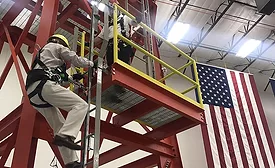
No fall protection equipment — regardless of how effective — can save an employee who is not properly trained in its use. Therefore, to maintain a safe and productive environment for workers at height, proper fall protection training is the first and most important step in your fall protection program.
In the last decade or so many organizations have been placing more of a focus on Serious Injury and Fatality prevention (SIF). The theory behind the traditional “Safety Pyramid” (or Heinrich Safety Triangle) says if we reduce incidents at the “base” of the pyramid, it follows we will reduce incidents at the top of the pyramid at an approximately proportional rate.
NSC – along with more than 50 organizations – urges candidates to adopt the plan in full or use it to close gaps in existing strategies
February 28, 2020
The National Safety Council (NSC), in partnership with more than 50 organizations and companies nationwide, released a comprehensive, inclusive strategy to address opioid misuse that all presidential candidates – regardless of party – should either adopt in full or use to close gaps in existing plans and policies.
OSHA has cited Jaime Martinez Hernandez – a residential framing contractor based in Phenix City, Alabama – for exposing employees to fall and struck-by hazards at two Alabama worksites. The contractor faces $240,880 in penalties.
The agency conducted the inspections in conjunction with the agency’s Regional Emphasis Program for Falls in Construction after investigators observed employees working from heights without fall protection at worksites in Auburn and Opelika.
For most people, the benefits of aerobic exercise far outweigh the risks, however, extreme endurance exercise – such as participation in marathons and triathlons for people who aren’t accustomed to high-intensity exercise – can raise the risk of sudden cardiac arrest, atrial fibrillation (a heart rhythm disorder) or heart attacks, according to a new Scientific Statement published in the Association’s premier journal Circulation.
A high-quality telecommunicator CPR (T-CPR) program can save more lives from out-of-hospital cardiac arrest and strengthen the chain of survival, according to a new advisory from the American Heart Association (AHA) published in Circulation, a journal of the AHA, today.
Each year in the United States, an estimated 350,000 people experience sudden cardiac arrest in out-of-hospital environments. Sudden cardiac arrest is the unexpected loss of heart function, breathing and consciousness and commonly the result of an electric disturbance in the heart.