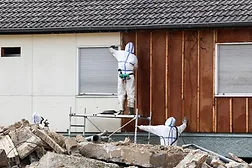
Exposure to asbestos continues to be a critical issue, while the long-term repercussions, usually emerging only years later, serve as a stark reminder of the drastic threats it poses to countless lives.
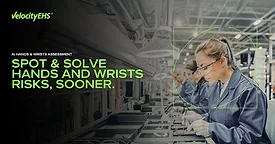
While traditional ergonomics programs successfully target major posture and lifting risks, repetitive hand and wrist strains have historically flown under the radar.
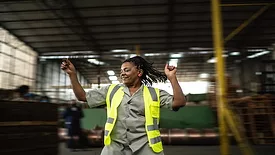
Adverse health conditions tied to psychosocial risk hazards may contribute globally to more than 840,000 worker deaths annually, according to the International Labor Organization (ILO).
While many compliance-focused training programs don’t cover mental health and wellness topics, safety professionals have been increasingly trying to emphasize resources in the workplace.
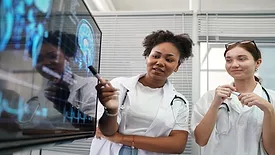
As May is Mental Health Awareness Month, Clare Epstein of Vector Solutions spoke to ISHN about why mental health is so important as part of workplace safety initiatives.
Musculoskeletal injuries are still one of the biggest challenges in the manufacturing industry. As safety professionals look for better ways to reduce risk, motion capture combined with AI is increasingly being utilized.
 RSS
RSS