For a huge swath of Northern California, the air suddenly became hazardous last November. Thick smoke from the most destructive wildfire in state history was delivering a secondary blow to nearly ten million Californians, some of whom turned to a new class of consumer air monitors to help keep them safe.
In the near future, doctors may be able to apply Artificial Intelligence (AI) to electrocardiogram data in order to measure overall health status, according to new research published in Circulation: Arrhythmia and Electrophysiology, a journal of the American Heart Association.
The EPA is proposing to designate 20 chemical substances as High-Priority Substances for upcoming risk evaluations, per a statutory requirement under the 2016 amendments to the Toxic Substances Control Act (TSCA) by. The proposed designation is a required step in a new process of reviewing chemical substances currently in commerce under the amended TSCA.
Whether you are running a manufacturing business or a logistics company, material handling is going to be a critical part of your day-to-day operations. Despite automation, many companies rely on manual material handling to move finished products or raw materials within gated premises.
With plastic pollution having emerged as a significant environment and health crisis, the World Health Organization (WHO) is calling for more research into the potential effect on human health of microplastics in drinking water.
“We urgently need to know more about the health impact of microplastics because they are everywhere - including in our drinking-water,” says Dr Maria Neira, Director, Department of Public Health, Environment and Social Determinants of Health, at WHO.
The number of home care aides is rapidly growing, expecting to account for 1.2 million new U.S. jobs by 2026. These workers support clients with self-care and mobility in their homes and can face physical and verbal abuse because of the isolated nature of their work and limited support. Such violence can lead to depression, physical burnout, and high job turnover.
Workers who produce clothing, process food, or perform administrative work had the highest rates of work-related carpal tunnel syndrome (CTS) in California, according to NIOSH-funded research published in CDC’s Morbidity and Mortality Weekly Report (MMWR)external icon.
CTS is a musculoskeletal disorder that develops when repetitive, forceful motion causes pressure on a nerve in the wrist. Workers with CTS often experience pain, tingling, weakness, and numbness in their hand.
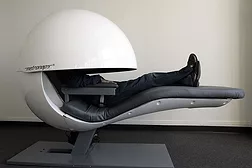
Workers in India overwhelmingly want a “nap room” in their workplaces, according to a survey conducted by online sleep-solutions startup Wakefit.co.
According to a report on the survey titled “Right to Work Naps,” a startling 86 percent of the 1,500 respondents said they wanted a dedicated space for taking naps during their work shifts.
People suffering from insomnia may have an increased risk of coronary artery disease, heart failure and stroke, according to new research in the American Heart Association’s journal Circulation.
Previous observational studies have found an association between insomnia, which affects up to 30% of the general population, and an increased risk of developing heart disease and stroke.
Worker injuries linked to opioid-related deaths and suicides, a Total Worker Health report card and heat-related illness takes a toll on construction workers. These were among the top stories featured on ISHN.com this week.
 RSS
RSS