ISHN logo
search
cart
facebook twitter linkedin youtube
  • Sign In
  • Create Account
  • Sign Out
  • My Account
ISHN logo
  • NEWS
    • Today's News
    • Global Safety News
    • Government Regulations
  • PRODUCTS
    • Product Innovations
    • Featured Products
  • TOPICS
    • Environmental Health and Safety
    • Facility Safety
    • Workplace Health
    • Occupational Safety
    • PPE
    • More Topics
  • CONSTRUCTION
  • TECHNOLOGY
  • COLUMNS
    • Best Practices
    • Dave Johnson: What’s going on
    • Editorial Comments
    • Leading Safety
  • MULTIMEDIA
    • ISHN Podcast
    • Videos
    • Cold Stress Education Quiz
    • Webinars
    • White Papers
  • MORE
    • Buyer's Guide
    • Newsletters
    • Convention Companion
    • Polls
    • Events
    • ISHN Store
    • Sponsor Insights
  • EMAGAZINE
    • eMagazine
    • Archived Issues
    • Contact
    • Advertise
  • JOIN TODAY!
Occupational SafetyEnvironmental Health and SafetyWorkplace Health

Workers’ comp records ID carpal tunnel syndrome risk

August 22, 2019

Workers who produce clothing, process food, or perform administrative work had the highest rates of work-related carpal tunnel syndrome (CTS) in California, according to National Institute for Occupational Safety and Health (NIOSH)-funded research published in CDC’s Morbidity and Mortality Weekly Report (MMWR)external icon.

CTS is a musculoskeletal disorder that develops when repetitive, forceful motion causes pressure on a nerve in the wrist. Workers with CTS often experience pain, tingling, weakness, and numbness in their hand.

To identify workers at risk, the NIOSH-funded occupational health and safety surveillance program in the California Department of Public Health reviewed state workers’ compensation claims between 2007 and 2014. Researchers analyzed an average of 637,672 claims for each year for reported CTS cases, noting demographics, such as gender and age, and industry and occupation. They then calculated the CTS rate for employees working at least 40 hours weekly. Women experienced CTS at a rate three times that of men. The highest risk was among workers in production, material moving, and office and administrative support. During the 7-year period, 139,336 claims were related to CTS, equaling 6.3 cases per 10,000 workers. These findings show that workers’ compensation claims can identify high-risk jobs for CTS and other injuries and could help other states focus on ergonomic interventions to design tasks and equipment that minimize the risk to workers.

More information is available:

  • Rates of Carpal Tunnel Syndrome in a State Workers’ Compensation Information System, by Industry and Occupation — California, 2007–2014external icon
  • California Department of Public Health Occupational Health Branchexternal icon
  • NIOSH Extramural Research and Training Programs: State Surveillance Progra

Source: NIOSH

KEYWORDS: injuries workplace safety

Share This Story

Looking for a reprint of this article?
From high-res PDFs to custom plaques, order your copy today!

Recommended Content

JOIN TODAY
to unlock your recommendations.

Already have an account? Sign In

  • forklift safety

    Exploring the latest technologies in forklift safety

    With more staff and more stock in warehousing now more...
    Workplace Training Strategies
    By: Josh Cramer
  • welding

    All about welder’s flash or arc eye

    A flash burn is a painful inflammation of the cornea,...
    Environmental Health and Safety
  • dangerous jobs

    The 10 most dangerous jobs in the U.S.

    On-the-job deaths have been rising — hitting the highest...
    Occupational Safety
    By: Benita Mehta
Manage My Account
  • eMagazine Subscriptions
  • ISHN Newsletter & Other Newsletter Alerts
  • Online Registration
  • Manage My Preferences
  • Subscription Customer Service

More Videos

Sponsored Content

Sponsored Content is a special paid section where industry companies provide high quality, objective, non-commercial content around topics of interest to the ISHN audience. All Sponsored Content is supplied by the advertising company and any opinions expressed in this article are those of the author and not necessarily reflect the views of ISHN or its parent company, BNP Media. Interested in participating in our Sponsored Content section? Contact your local rep!

close
  • man wearing the the Sundström SR200 Full Face Mask Respirator
    Sponsored byOHD

    5 Fit Testing Mistakes That Could Cost You

  • This image shows Magid AcuSpex polarized blue mirrored safety glasses.
    Sponsored byMagid Glove and Safety

    Construction PPE Guide: What Crews Need for Each Task

  • lone worker in confined space
    Sponsored byAlphasense Ltd.

    GET THE LEAD OUT of your Safety Oxygen Sensors!

Popular Stories

SpaceX 7 launch

OSHA Investigating Fatal Fall at SpaceX Starbase

dust explosion

Tennessee OSHA Issues Record $3.1M Fine After Deadly Explosion at Munitions Plant

roofing dangerous jobs Getty.jpg

OSHA Finds Florida Roofing Company Willfully Exposed Workers to Safety Hazards After Worker’s Fatal Fall

top 10 most dangerous jobs

Poll

Seasonal Readiness

With the federal heat stress prevention rule on the horizon, which area of your safety program needs the most attention?
View Results Poll Archive

Products

Surviving an OSHA Audit A Management Guide, 2nd Edition

Surviving an OSHA Audit A Management Guide, 2nd Edition

See More Products

ISHN Podcasts

Related Articles

  • Screening test doesn’t predict work-related carpal tunnel syndrome

    See More
  • What is carpal tunnel syndrome?

    See More
  • ACOEM offers free iTunes app for info on carpal tunnel syndrome, other maladies

    See More

Related Products

See More Products
  • 1118911040.jpg

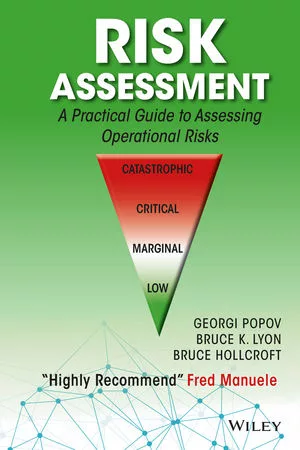
    Risk Assessment: A Practical Guide to Assessing Operational Risks

  • industrial hy.jpg

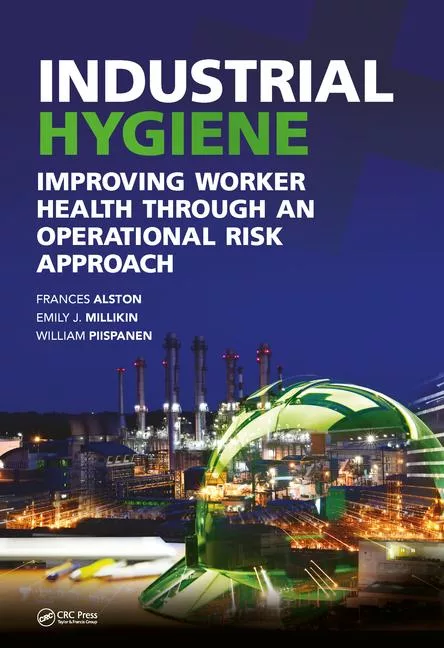
    Industrial Hygiene: Improving Worker Health through an Operational Risk Approach

See More Products

Related Directories

  • SafetyLine Lone Worker

    SafetyLine Lone Worker helps companies monitor the status of workers who are remote, alone, or working in hazardous situations. We are an automated check-in monitoring and emergency notification service. SafetyLine uses its communications infrastructure to ensure that workers have comprehensive monitoring, 24/7, without the need for costly monitoring centers.
  • BrimGuard

    BrimGuard fits over most any North American style hard hat (cap or full brim) and provides a highly visible color-coded identification for your new hires. With BrimGuard, you can: -Reduce the risk of accidents and injuries by making new hires stand out from the crowd -Increase the accountability and responsibility of new hires by making them easily recognizable -Enhance the communication and collaboration between new hires and seasoned workers by facilitating mentoring and feedback -Save time and money by eliminating the need for stickers, decals, or separate hard hats for new hires -Improve the morale and retention of new hires by making them feel welcome and supported BrimGuard is made of durable, lightweight, and washable reusable silicone that can withstand harsh work environments. It comes in safety colors to suit your needs.
×

Become a Leader in Safety Culture

Build your knowledge with ISHN, covering key safety, health and industrial hygiene news, products, and trends.

JOIN TODAY
  • RESOURCES
    • Advertise
    • Contact Us
    • Directories
    • Manufacturing Division
    • Store
    • Want More
  • SIGN UP TODAY
    • Create Account
    • eMagazine
    • Newsletters
    • Customer Service
    • Manage Preferences
  • SERVICES
    • Marketing Services
    • Reprints
    • Market Research
    • List Rental
    • Survey/Respondent Access
  • STAY CONNECTED
    • LinkedIn
    • Facebook
    • YouTube
    • X (Twitter)
  • PRIVACY
    • PRIVACY POLICY
    • TERMS & CONDITIONS
    • DO NOT SELL MY PERSONAL INFORMATION
    • PRIVACY REQUEST
    • ACCESSIBILITY

Copyright ©2026. All Rights Reserved BNP Media, Inc. and BNP Media II, LLC.

Design, CMS, Hosting & Web Development :: ePublishing