This year’s Workers Memorial Day, April 28, will be a little different. In addition to speeches and candlelit ceremonies, processions and pancake breakfasts, there’ll be activism – motivated by what advocates say is the Trump administration’s attacks on workplace safety.
U.S. healthcare facilities are getting some help in tracking sharps incidents and blood and body fluid exposures among their workers – in the form of a new system developed by the National Institute for Occupational Safety and Health (NIOSH).
A Wisconsin container manufacturer has achieved a 90 percent reduction in its worker injury rate through a partnership with OSHA’s On-site Consultation Program.
Schoeneck Containers, Inc. (SCI), which supplies plastic containers for diverse consumer and commercial markets throughout the world, began improving safety in 2000 for its 250 employees by hiring a safety professional and implementing new safety measures such as hazard identification programs, engineering controls review processes, and weekly safety talks.
Let’s say someone you care about—mother, father, wife, husband, partner, son, daughter, friend, and neighbor—works in a facility that’s had a history of serious injuries or illnesses. You know, like burns, amputations, and broken bones that happen at work. Or head, eye, or back injuries.
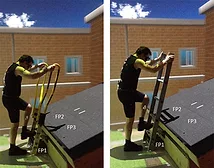
This month is National Ladder Safety Month, but ladder safety is a year-round priority at NIOSH where scientists study how to prevent ladder-related falls. In a new study published in the journal Applied Ergonomics, a “walk-through” ladder was comparable in safety to regular ladders tested in the NIOSH Virtual Reality Laboratory in Morgantown, West Virginia.
A worker safety advocacy group is urging Americans to contact their U.S. senators and oppose the Congressional Review Act Resolution of Disapproval which would repeal an OSHA rule clarifying an employers' obligation to keep accurate records of work related injuries.
Construction workers continue to face some of the highest risks when it comes to injuries in the workplace. One of the most concerning involves traumatic brain injuries (TBI), often caused by falls and being struck by moving vehicles.
The injury rate was twice as high among workers age 24 and younger than it was among those ages 45 and older. However, workers over the age of 50 more often experienced serious injuries and had a higher proportion of falls resulting in fractures.
Occupations and sleep, health experts object to ACA repeal and hazards posed by tornado cleanup were among the top stories featured on ISHN.com this week.